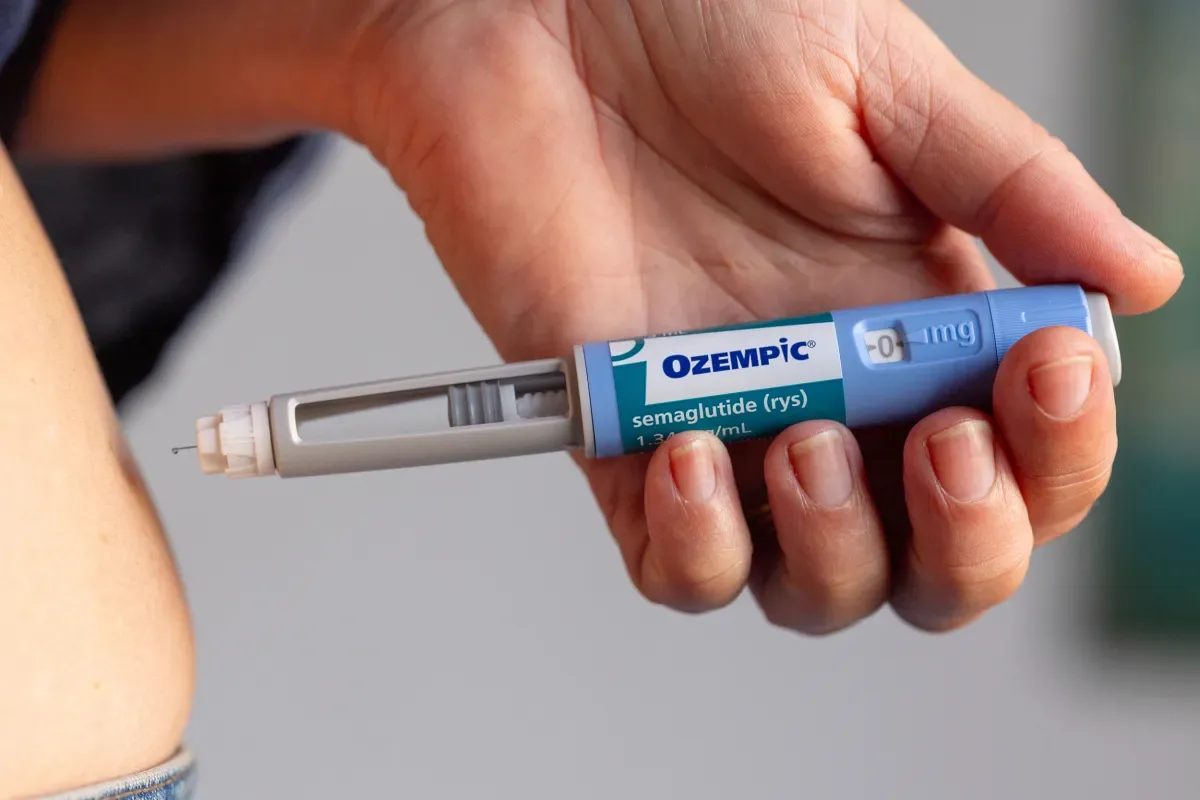

High-profile celebrities have showcased dramatic weight loss on the red carpet, spotlighting GLP-1 medications like Ozempic, Wegovy, and Mounjaro. These drugs mimic the appetite-suppressing hormone glucagon-like peptide-1 (GLP-1) to treat obesity, linked to diabetes, heart disease, and early death. However, up to one in five users see limited results, and nearly 85% experience a weight loss plateau where progress stalls.
Frustration often leads patients to quit, but a recent Oxford University study warns against it: users regain about a pound per month after stopping, potentially restoring most or all lost weight within 17-20 months. Experts recommend strategies to beat the Ozempic plateau and continue effective weight management.
Patient Success: Overcoming the Plateau
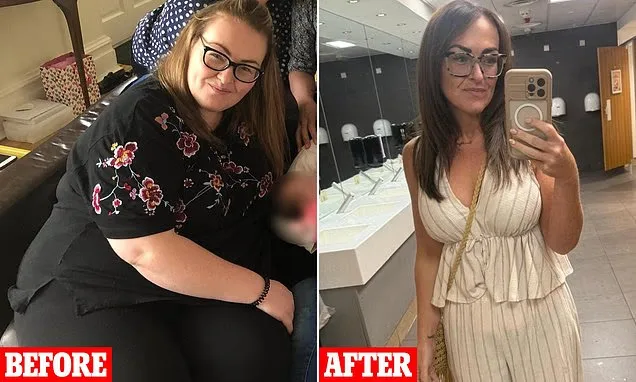
Emilly Murray, 35, started Mounjaro at 22st (dress size 30). After initial success, her weight loss slowed near her goal. As a nurse, she increased water intake and protein, combating dehydration that slowed her metabolism.
Drinking water fills the stomach, reduces hunger, and supports metabolism, per research. Despite feeling colder—a common GLP-1 side effect—Emilly persisted and lost another five stone, reaching 9st 2lb (size 6).
Neuroscientist Dr. Rubina Aktar notes GLP-1 drugs slow gastric emptying, promoting fullness but reducing fluid intake. Prioritizing hydration helped Emilly turbocharge her results.
Optimize Your Dose: Less Can Be More
Research shows most patients achieve significant weight loss on lower GLP-1 doses. A July study of over 100 patients on Mounjaro and Wegovy found 86% succeeded on modest doses; the best results (over one-third body weight loss) occurred at 7.5mg—half the 15mg maximum.
Dr. David Strain, professor of cardiometabolic health at Exeter University, warns against using GLP-1 drugs alone without lifestyle changes. Prof. Naveed Sattar, metabolic medicine expert at the University of Glasgow, advises: "Maximize your current dose before escalating, if side effects allow." Many stay on starter doses (2.5mg) longer than in trials.
Build Sustainable Habits with GLP-1 Support
Treat GLP-1 medications as tools for lasting change. Prof. Strain states studies show combining drugs with diet and exercise yields better results than either alone. Simple steps like walking an extra bus stop boost outcomes.
Prof. Sattar adds: once "food noise" fades and energy rises, swap ultra-processed foods for fruits, vegetables, and activities like cycling or extra walking. These habits sustain weight loss on and off medication.
Precision tracking for your journey
Join thousands using Shotlee to accurately track GLP-1 medications and side effects.
📱 Get the Shotlee App
Track your GLP-1 medications, peptides, and health metrics on the go with our mobile app!
Boost Metabolism: Protein and Strength Training
GLP-1 drugs can lead to 40% muscle loss alongside fat, slowing metabolism, says gastroenterologist Dr. Debra Marcos. "Strength training is essential," she emphasizes—two to three sessions weekly with weights or bands preserves muscle and enhances fat loss.
Aim for 25-35g protein per meal to rebuild muscle. This approach helped Tina Bashford, 41, who plateaued at 17st on Mounjaro after starting at 23st 7lb. Adding gym sessions (weights + cardio) dropped her to 12st 6lb.
Timing Matters: Walk After Meals, Eat Early
Prof. Strain recommends finishing dinner by 6-7pm and walking post-meals. Research confirms earlier eating improves metabolism, insulin sensitivity, and weight loss on GLP-1s. Post-meal walks yielded up to 6lb loss in one month study.
"Eating late and sleeping full hinders progress," he notes. Tina incorporated swimming then gym workouts to restart her momentum.
Prioritize Sleep for Hormone Balance
Sleep is key, per Prof. Sattar: poor rest disrupts gut hormones, increases hunger, and impairs impulse control. Aim for 7-9 hours; a 2012 study linked better sleep to 33% higher weight loss success by balancing ghrelin and leptin.
Increase Fiber: Supplements or Prunes
Fiber lubricates the gut and promotes fullness. Prof. Sattar suggests fibrous foods like oats, beans, fruits, and veggies. If challenging, use supplements or prunes—containing sorbitol for bowel regularity. A study of 120 people confirmed prunes boost stool frequency effectively.
Don't Quit: Plan Your Exit Strategy
Prof. Strain warns: stopping cold turkey worsens outcomes without lifestyle shifts. Plateaus are normal—celebrate health gains and tweak habits. Apps like Shotlee can track GLP-1 doses precisely for better adherence.
Tina trusted the process: "A few shifts restarted everything." With expert guidance, you can beat the Ozempic plateau and achieve lasting weight management.