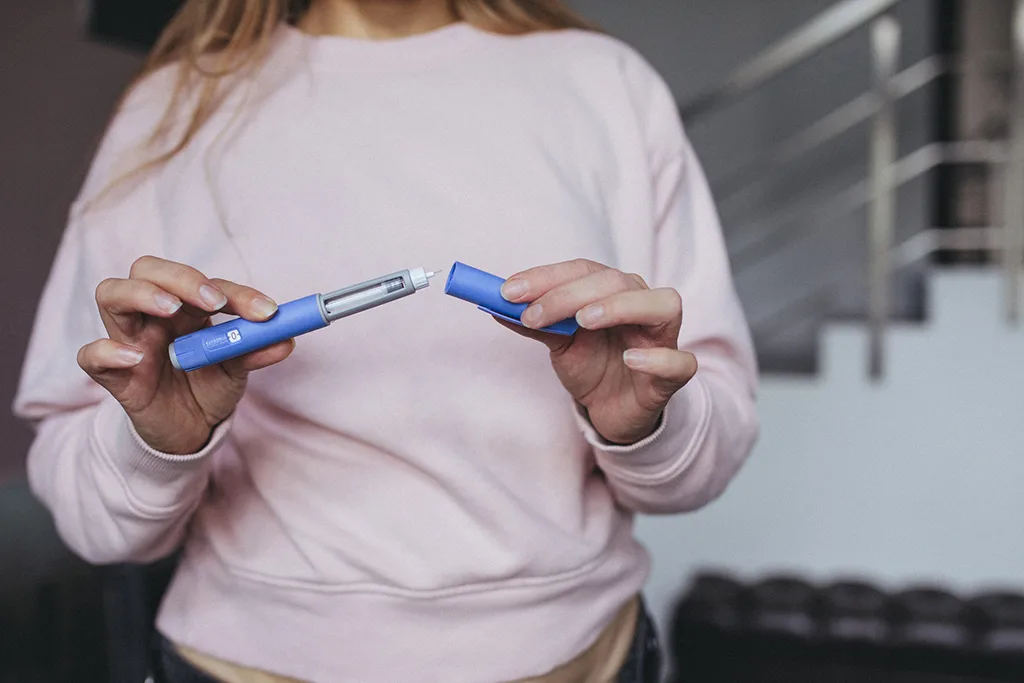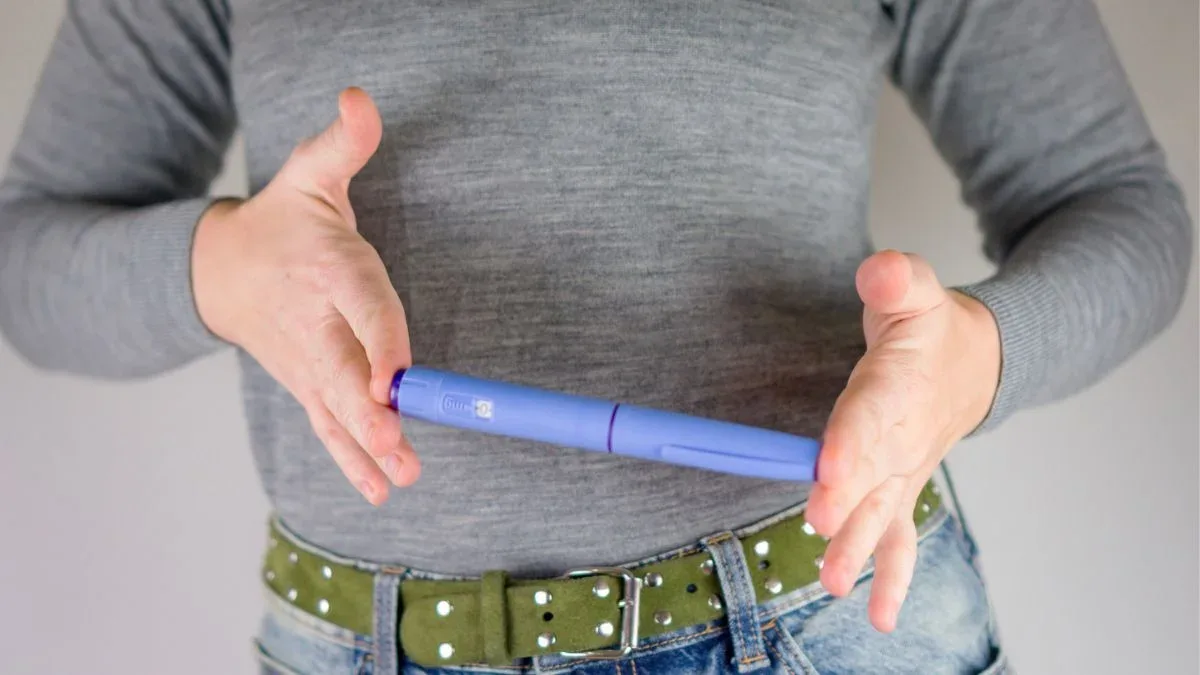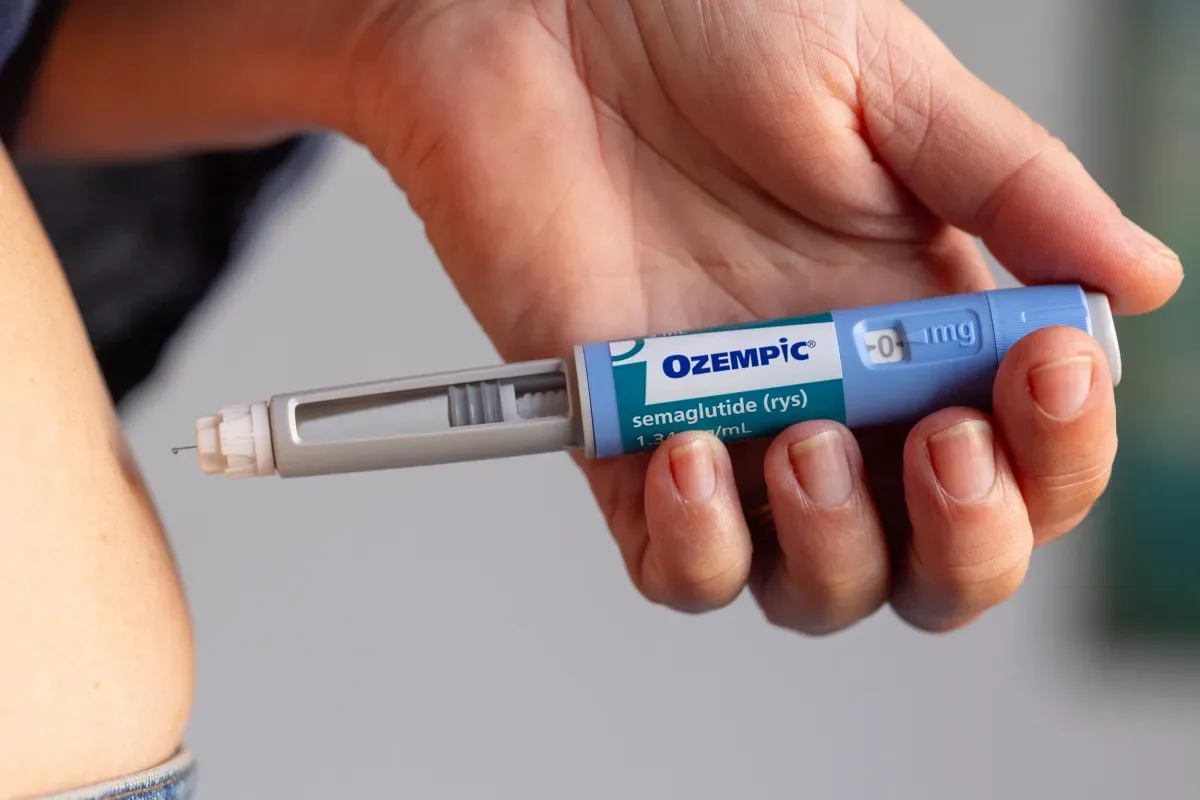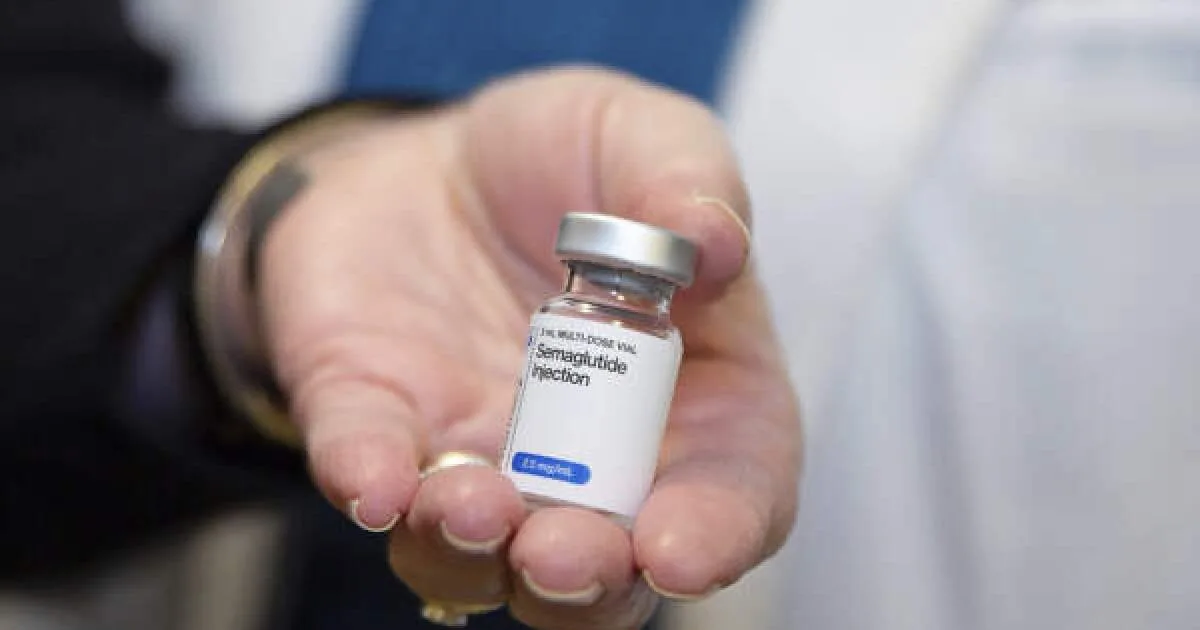

In recent years, GLP-1 drugs for alcohol cravings have gained attention beyond their primary use in weight loss. Medications like Wegovy and Mounjaro, originally celebrated for helping with obesity, are now being explored by addiction specialists as an adjunct to behavioral and lifestyle treatments for substance use disorders, including alcoholism. While more research is needed, real-world stories from programs like the one at Open Doors transitional home in Rhode Island highlight their potential.
The Rise of GLP-1 Drugs in Addiction Treatment
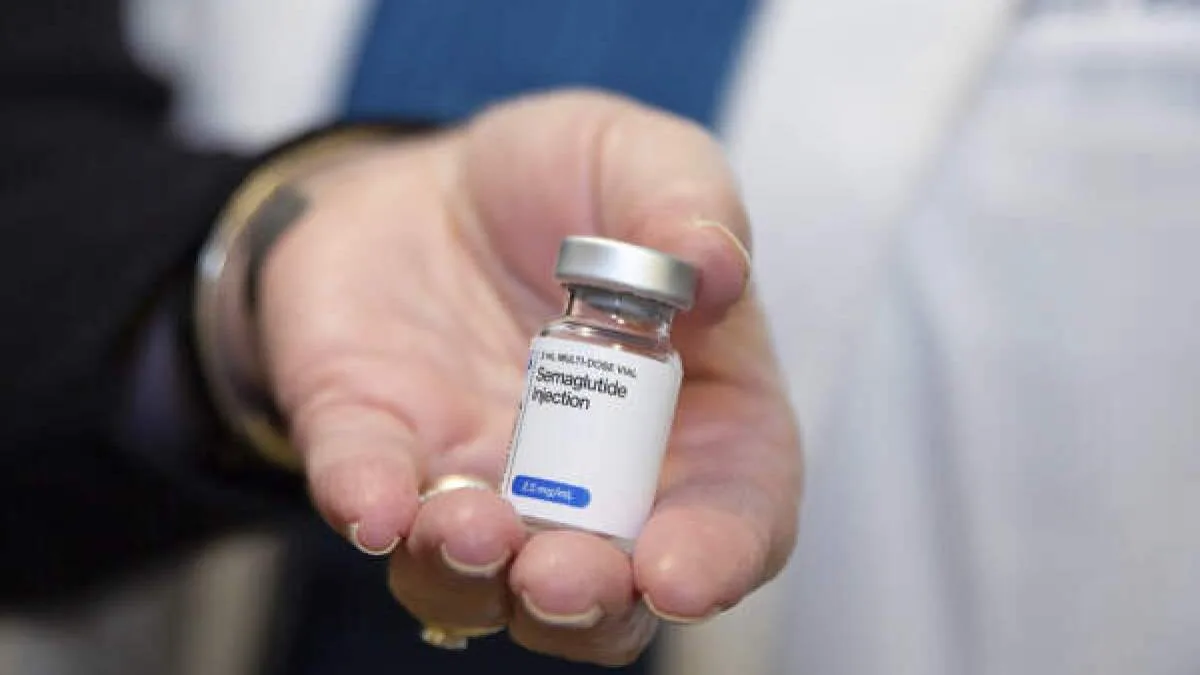
GLP-1 receptor agonists, such as semaglutide (found in Wegovy) and tirzepatide (in Mounjaro), mimic the glucagon-like peptide-1 hormone, which regulates blood sugar, appetite, and satiety. Emerging evidence suggests they influence brain reward pathways, potentially reducing the urge for addictive substances like alcohol and drugs. This off-label use stems from observations that these drugs dampen dopamine-driven cravings, similar to how they curb overeating.
Addiction medicine experts prescribe GLP-1s cautiously alongside therapy, counseling, and support groups. The buzz has grown over the last year, with pilot initiatives testing their efficacy in real recovery settings. For patients with co-occurring metabolic issues like obesity—common in addiction—these drugs offer dual benefits, addressing both physical and psychological aspects of recovery.
The Open Doors Pilot Program: A Beacon for Recovery
At the Open Doors transitional home, a Rhode Island non-profit dedicated to supporting individuals in recovery, a innovative pilot program offered GLP-1 drugs to 18 residents. Many participants report that the medications, combined with the home's comprehensive supports—such as counseling, life skills training, and community reintegration—have profoundly changed their lives.
This initiative partnered with the Caron Treatment Center in Pennsylvania and the Center for Addiction Science, Policy and Research. By integrating GLP-1s into a holistic framework, the program addresses the multifaceted nature of addiction, where cravings often derail traditional treatments alone.
Program Structure and Participant Outcomes
- Target Group: Residents in transitional housing battling substance use disorders.
- Intervention: GLP-1 medications (specific drugs like Wegovy or Mounjaro) plus behavioral therapies.
- Reported Benefits: Reduced cravings, improved adherence to sobriety plans, and enhanced quality of life.
These outcomes underscore why GLP-1s for alcohol addiction are generating interest: they target the neurobiological roots of addiction without replacing evidence-based therapies.
Gina Roberts' Transformative Journey
Among the success stories is Rhode Island mother Gina Roberts, whose battle with alcoholism spanned years. Her addiction led to devastating consequences, including losing custody of her son to foster care. Desperate for change, Roberts joined the Open Doors program and began GLP-1 treatments.
"My cravings have stopped," Roberts shared. She's maintained sobriety for two years, secured her own apartment, and regained custody of her son.
Roberts' experience illustrates the real-world impact of GLP-1s. From rock bottom—facing family separation and ongoing relapses—she transitioned to stability. Her story, featured in discussions hosted by Robin Young, emphasizes how these drugs provided the edge needed to break free from alcohol's grip.
Expert Perspectives: Insights from Dr. Steven Klein
Addiction medicine specialist Steven Klein, from the Caron Treatment Center in Pennsylvania—which partnered with Open Doors—offers clinical context. In conversations with host Robin Young alongside Roberts, Dr. Klein highlights GLP-1s' role as an adjunct therapy. "These medications modulate reward centers in the brain, making it easier to resist urges," he explains, aligning with preclinical studies on GLP-1's effects on the mesolimbic pathway.
Precision tracking for your journey
Join thousands using Shotlee to accurately track GLP-1 medications and side effects.
📱 Get the Shotlee App
Track your GLP-1 medications, peptides, and health metrics on the go with our mobile app!
Dr. Klein stresses that while promising, GLP-1s are not a standalone cure. They work best within structured programs like Open Doors, where medical oversight ensures proper dosing and monitoring.
How GLP-1 Drugs Combat Alcohol Cravings: The Science
GLP-1 agonists influence addiction through several mechanisms:
- Brain Reward Modulation: They reduce dopamine release in response to alcohol cues, blunting the 'high' associated with drinking.
- Appetite and Impulse Control: By enhancing satiety signals, they help regulate impulsive behaviors linked to addiction.
- Anti-Inflammatory Effects: Chronic alcohol use inflames the brain; GLP-1s may mitigate this, supporting neural recovery.
Compared to traditional treatments like naltrexone or acamprosate—which block opioid receptors or reduce glutamate—GLP-1s offer broader metabolic benefits. For patients with alcohol use disorder (AUD) and obesity, this dual action is particularly advantageous. However, individual responses vary, necessitating personalized medical evaluation.
Safety Considerations and Side Effects in Addiction Contexts
GLP-1 drugs are generally well-tolerated, but common side effects include nausea, gastrointestinal discomfort, and fatigue—often transient. In addiction recovery, monitoring for interactions with sobriety is key; dehydration from vomiting could mimic withdrawal symptoms.
Serious risks like pancreatitis or thyroid concerns are rare but require baseline screening. Pregnant individuals or those with medullary thyroid carcinoma history should avoid them. Patients like Roberts benefit from programs with on-site medical support. Apps like Shotlee can help track side effects, cravings, and medication schedules for better doctor discussions.
Who Might Benefit and Next Steps for Patients
Candidates for GLP-1s in AUD include those with treatment-resistant cravings, co-morbid obesity, or type 2 diabetes. Always consult a healthcare provider specializing in addiction medicine.
- Discuss History: Share addiction timeline, past treatments, and metabolic health.
- Get Screened: Bloodwork for liver function, kidney health, and contraindications.
- Combine Therapies: Pair with AA, CBT, or transitional housing like Open Doors.
- Monitor Progress: Use journals or tools like Shotlee to log sobriety milestones.
While not FDA-approved for addiction, off-label use is growing under expert guidance.
Key Takeaways: What This Means for Recovery
- GLP-1 drugs like Wegovy and Mounjaro show promise as adjuncts for alcohol cravings, as seen in Open Doors' pilot with 18 residents.
- Gina Roberts' sobriety for two years, apartment, and regained custody exemplify life-changing potential.
- Experts like Dr. Steven Klein advocate integration with behavioral supports.
- More studies are essential, but early data supports discussing with doctors.
Conclusion
The story of Gina Roberts and the Open Doors program reveals how GLP-1s for alcohol addiction could transform recovery landscapes. Preserving the human element—family reunions, stable housing—while leveraging medical innovation offers hope. If battling alcoholism, explore these options with professionals to tailor a path to lasting sobriety.