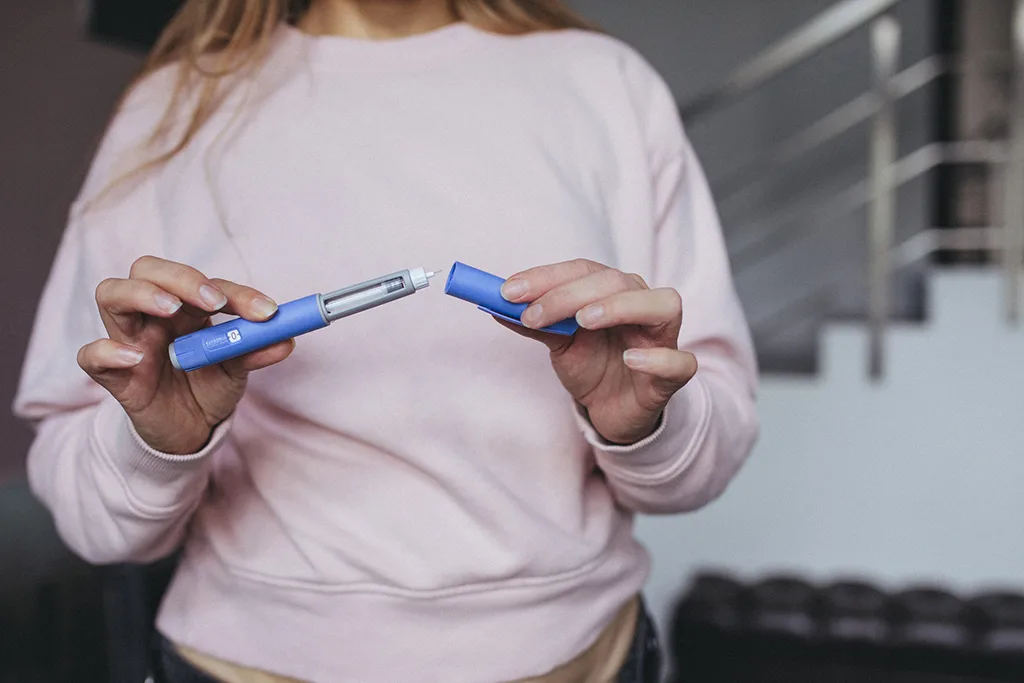
In the world of pharmaceutical innovation, Eli Lilly's application of AI in GLP-1 production stands out as a practical triumph. Forget the drug discovery hype. Here's how the world's largest drug company is seeing a payoff from AI right now in manufacturing its popular GLP-1 drugs, Zepbound (for weight loss) and Mounjaro (for diabetes).
The Shift from AI Hype to Manufacturing Reality
There's been huge hype around AI's potential for drug discovery, promising faster development of new therapies for metabolic conditions like obesity and type 2 diabetes. However, at Eli Lilly, the first big, unsung payoff from AI has been in scaling up production of existing hits: Zepbound and Mounjaro. These GLP-1 receptor agonists, which mimic the hormone GLP-1 to regulate blood sugar, suppress appetite, and promote weight loss, have exploded in demand due to their proven efficacy in clinical trials and real-world use.
GLP-1 medications like Mounjaro (tirzepatide) and Zepbound work by activating GLP-1 receptors in the pancreas, brain, and gut, leading to improved glycemic control and significant weight reduction—often 15-20% of body weight in patients with obesity. But high demand created supply bottlenecks, making reliable access a challenge for patients managing diabetes or seeking weight loss therapy.
Lilly's AI-Powered Manufacturing Breakthrough
"We literally made more product last year than we possibly could have without AI," Diogo Rau, Lilly's chief information and digital officer, tells Forbes. While he declined to specify exact numbers, he says it was "enough that it would've been material in our earnings reports."
That's a big deal for Lilly because demand for these injectable drugs has been sky high—and the company has struggled to make enough of them. From late 2022 through 2024, the FDA determined there was a shortage of these drugs, which meant compounders were allowed to make them under certain conditions despite the drugs' patent protections.
"That was top of mind for us that we want to not be on the shortage list," says Rau, who joined Lilly in 2021 after a decade at Apple and reports directly to CEO David Ricks. "We had a process that we all thought we had optimized. The risk of being on shortage made us look [again] even though we thought we had a process that was as good as it could be."
The Role of Digital Twins in GLP-1 Production
To crank up its GLP-1 production, Lilly used what's known as a digital twin, a virtual representation of a factory that uses real-time data to show precisely what's going on in the real-world, letting it test improvements in the digital world before rolling them out. Digital twins are increasingly used to optimize manufacturing across industries, from automotive to biotech.
Lilly was able to use artificial intelligence and its digital twin to make its manufacturing process more efficient—allowing it to produce the drugs in higher volumes than would otherwise have been possible. To do so, it modeled out everything about its factory from the machines to the inputs to the processes, allowing the digital twin to simulate different configurations to come up with the best option. "We thought, this looks too good to be true, but the physical world still matched the digital twin," he says.
In addition, it was able to better detect defects in its injectors, Rau says. Its technology can, for example, take dozens of photographs of each one of those autoinjectors, from a variety of angles, in increments of a few hundred milliseconds, to monitor for any breakages.
Financial Impact: Revenue Surge from Zepbound and Mounjaro
It's not nearly as sexy as using AI for drug discovery. But Zepbound and Mounjaro accounted for more than half of Lilly's $65 billion in revenue last year. Its sales of Mounjaro reached $23 billion, double the $11.5 billion it reported in 2025, while its revenue from Zepbound surged to $13.5 billion from $4.9 billion the previous year. That growth helped propel Lilly to become the first healthcare company to hit a $1 trillion market cap late last year (it now trades just below that).
Precision tracking for your journey
Join thousands using Shotlee to accurately track GLP-1 medications and side effects.
📱 Get the Shotlee App
Track your GLP-1 medications, peptides, and health metrics on the go with our mobile app!
This manufacturing boost directly addressed patient pain points. During shortages, many individuals struggled to maintain consistent dosing schedules for their GLP-1 therapy, potentially impacting blood sugar control or weight loss progress. Tools like Shotlee, which help track medication adherence and side effects, became even more valuable during these periods.
Overcoming GLP-1 Shortages: What Patients Need to Know
GLP-1 shortages highlighted vulnerabilities in peptide therapy supply chains, where complex biologic manufacturing processes limit scalability. Tirzepatide, the active ingredient in both Mounjaro and Zepbound, requires precise peptide synthesis and formulation into autoinjectors, making efficiency gains critical.
For patients, this means improved availability today. If you're prescribed Mounjaro for type 2 diabetes or Zepbound for chronic weight management (BMI ≥30 or ≥27 with comorbidities), discuss current supply with your healthcare provider. Common side effects like nausea, diarrhea, or injection-site reactions remain, but consistent access supports long-term adherence.
Compared to alternatives like semaglutide (Ozempic/Wegovy from Novo Nordisk), which faced similar shortages, Lilly's AI strategy positions it ahead in supply reliability. Patients switching therapies should consult endocrinologists to weigh efficacy, dosing (weekly injections for both), and cost.
Lilly's Broader AI Strategy: Manufacturing Today, Discovery Tomorrow
Lilly is still using AI for drug development, but it's a much longer game given how long it takes for a drug to go from idea to approval. In January, Lilly and Nvidia announced that they had teamed up to invest $1 billion in an innovation lab to tackle problems in the pharmaceutical industry, helped by a powerful supercomputer. That month, Lilly also signed a collaboration deal with hot AI startup Chai Discovery, which has raised $230 million at a valuation of $1.3 billion, to build an AI model that could accelerate discovery of biologic drugs. Biologic drugs are derived from natural sources such as proteins or cells, versus chemicals that are synthesized in a lab.
Any payoff in drug development remains far off. "That's going to be mid-2030s, if not late-2030s, when those medicines are on the market," Rau says. "It's a big bet on the future."
People ask, "How fast are we going to be able to make drugs now? Can we have drugs come out in six months or 18 months?", he says. "That's one thing that gets overhyped the most, and it has a critical risk of undermining AI in the industry because that should not be the expectation we have."
Key Takeaways: AI's Real Impact on GLP-1 Access
- Eli Lilly used AI-driven digital twins to increase Zepbound and Mounjaro production beyond previous limits, avoiding FDA shortages.
- This efficiency contributed to $23B in Mounjaro sales and $13.5B for Zepbound, driving Lilly's $65B total revenue.
- Defect detection tech improved autoinjector quality, ensuring safer delivery of these peptide therapies.
- Patients benefit from better supply; track your regimen with apps like Shotlee for optimal metabolic health outcomes.
- AI in manufacturing delivers immediate value, while drug discovery applications remain years away.
What This Means for Patients and Providers
For those on GLP-1 therapy, Lilly's advancements signal a more stable future. Speak with your doctor about starting or continuing Mounjaro or Zepbound, especially if lifestyle interventions alone aren't enough. Monitor for cardiovascular benefits, as GLP-1s like tirzepatide show promise in reducing heart risks alongside weight loss.
Healthcare providers can leverage this supply reliability to expand prescriptions, integrating GLP-1s into comprehensive metabolic health plans that include diet, exercise, and monitoring.
Conclusion: Practical AI Wins in Peptide Therapy Manufacturing
Eli Lilly's story underscores how AI is transforming GLP-1 production today, ensuring more patients access Zepbound and Mounjaro when they need them most. By prioritizing manufacturing efficiency, Lilly not only boosted revenues but also addressed real-world barriers to metabolic health treatment. Stay informed on supply updates and discuss personalized options with your clinician for the best results.