
Market Volatility and Medical Access: The Hims & Hers Signal
In the rapidly evolving world of digital health, financial headlines often signal deeper shifts in patient care. Recently, Bank of America downgraded Hims & Hers Health (NYSE:HIMS), cutting its price objective to $30 from $32. While this news primarily targets investors, it carries significant implications for consumers navigating the complex landscape of modern weight loss treatments.
The downgrade follows a Q1 2026 report that missed consensus expectations on both revenue and earnings. For the millions of users relying on telehealth platforms for their health management, this financial reset highlights a critical industry transition: the move away from compounded medications toward FDA-approved branded alternatives.
Understanding the mechanics behind this downgrade is essential for anyone currently using or considering peptide therapy, semaglutide, or tirzepatide treatments. It reveals the economic pressures shaping the availability, cost, and sustainability of these life-changing medications.
The Financial Reset: Why Analysts Are Reassessing HIMS
Bank of America's decision to lower the price target reflects a "classic high-expectations reset." The firm described the recent quarter as "mixed," noting that Hims & Hers needs to lower the bar before the stock can regain traction. The company reported diluted earnings per share (EPS) of -$0.40, missing the Street's expectation of $0.03.
Revenue also fell short, posting $608.1 million against a consensus of $616.85 million. For patients, the takeaway is about stability. When a major telehealth provider faces margin compression and net losses, it can impact the long-term viability of their subscription models.
The valuation backdrop adds pressure. Hims & Hers stock trades at a trailing P/E ratio of 57x, with a forward earnings multiple of 67x. When sell-side estimates need to come down, the stock often drifts until the reset completes. This volatility is not just about share price; it is about the company's ability to invest in supply chains and clinical support for its users.
The Core Issue: Compounded vs. Branded GLP-1s
The bigger story for Hims & Hers is the U.S. weight loss transition from compounded glucagon-like peptide-1 (GLP-1) drugs to branded alternatives. This shift drove $33.49 million in restructuring charges and weighed heavily on U.S. revenue, which fell 8% year over year.
Understanding the Medication Shift
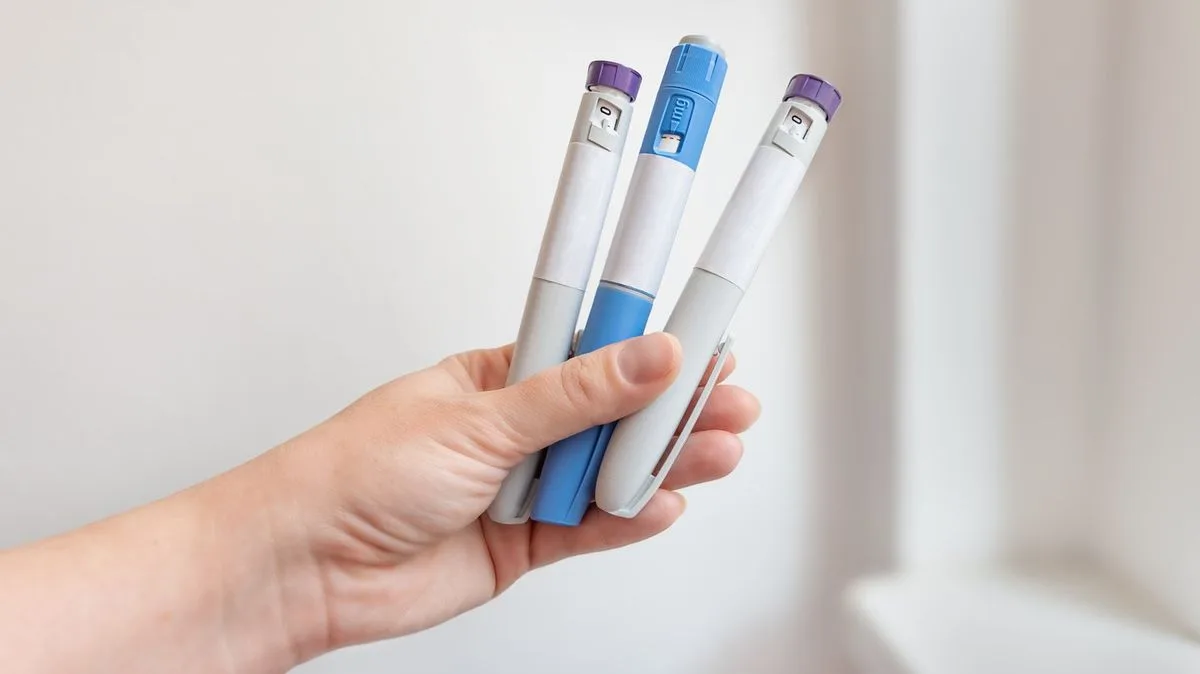
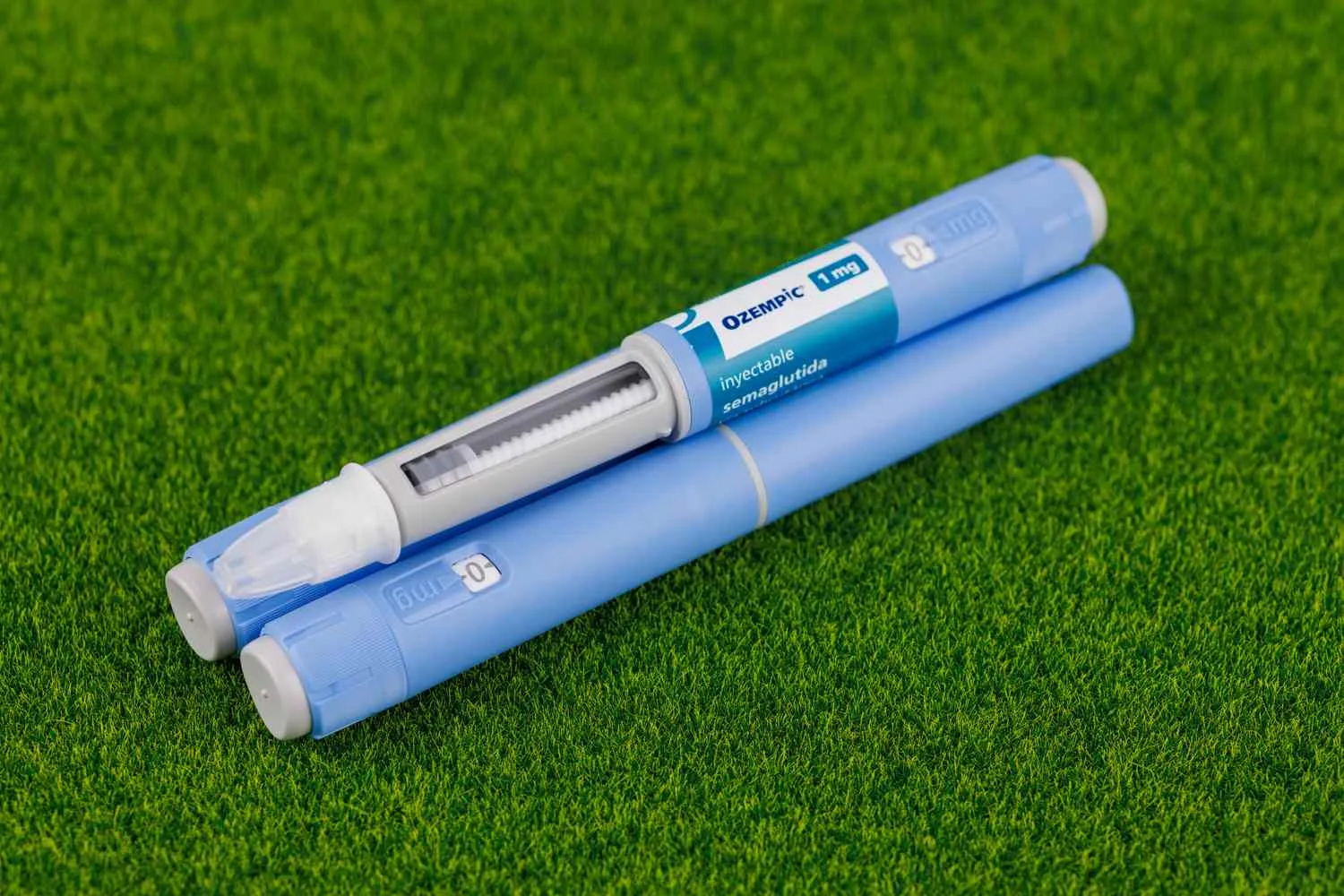
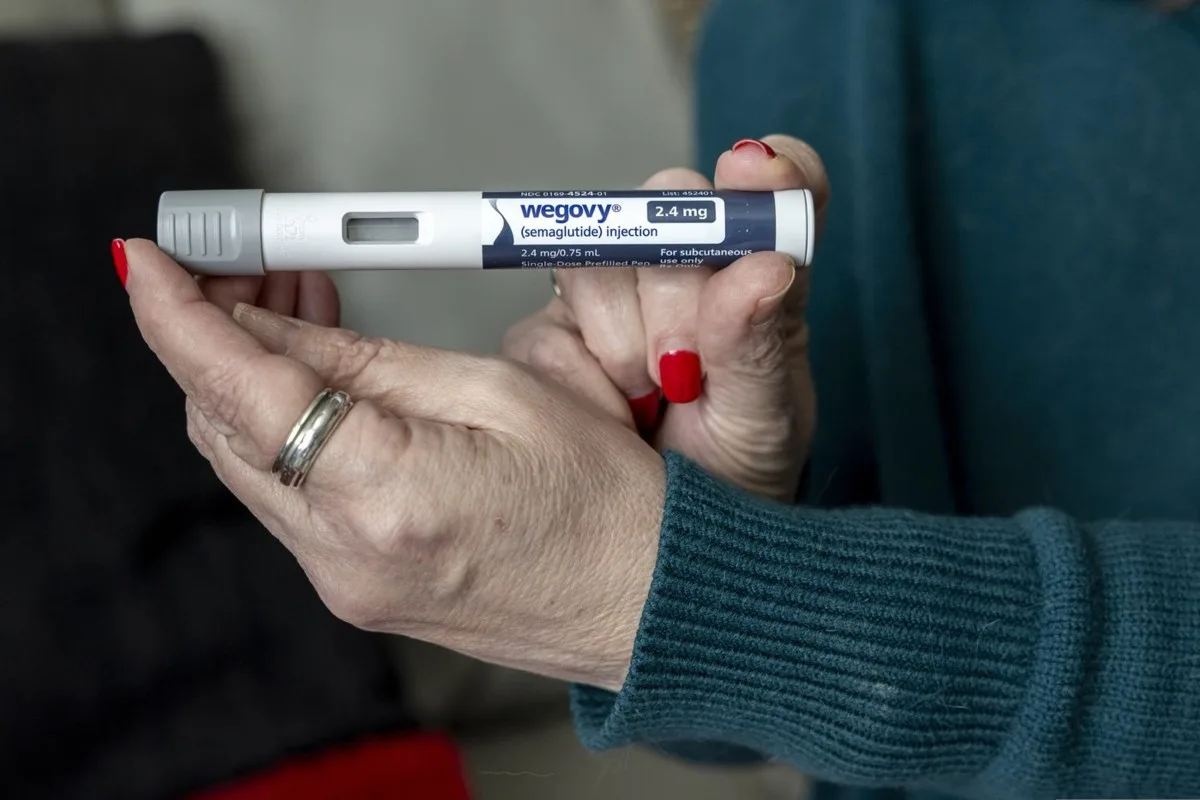
For years, telehealth platforms like Hims & Hers filled supply shortages by utilizing compounded versions of popular weight loss drugs. Compounded GLP-1s allowed companies to provide access when branded drugs like Ozempic or Wegovy were out of stock. However, these compounded versions carry different regulatory standing and typically lower take rates for telehealth platforms.
As the FDA and regulatory bodies tighten oversight, the industry is pivoting toward branded products. This transition is crucial for patient safety and efficacy but comes with financial hurdles:
- Regulatory Standing: Branded products like semaglutide (Ozempic/Wegovy) and tirzepatide (Mounjaro) have full FDA approval, offering standardized dosing and quality control.
- Cost Implications: Branded drugs often come with higher acquisition costs, which can affect the pricing models for telehealth subscriptions.
- Supply Chain: While shortages are common, branded supply chains are generally more robust long-term than compounding networks.
Analyst Sentiment and Future Outlook
The market remains divided on how to value Hims & Hers after this strategic pivot. While Bank of America cut its target to $30, JPMorgan trimmed its target to $33 from $35, keeping an Overweight rating. Meanwhile, Canaccord raised its target to $32 from $30 with a Buy rating.
This dispersion reflects genuine disagreement about the company's future trajectory. The bullish case rests on a subscription model that can expand beyond GLP-1s into broader health categories. The company also announced a $250 million repurchase authorization and raised FY2026 revenue guidance to $2.8 billion to $3 billion. International revenue surged 969% year over year, suggesting global demand remains strong.
However, the bear case articulated by Bank of America warns that the bar is too high. Gross margin compression from 73% to 65% and a swing to a $92.11 million net loss reinforce concerns about short-term profitability.
Analyst Price Targets Comparison
| Analyst Firm | Rating | Price Target | Previous Target |
|---|---|---|---|
| Bank of America | Neutral | $30 | $32 |
| JPMorgan | Overweight | $33 | $35 |
| Canaccord | Buy | $32 | $30 |
What This Means for Your Weight Loss Journey
For the average patient, these financial shifts translate to practical changes in how they access care. The transition from compounded to branded medications may affect the speed of prescription fulfillment and the total cost of treatment. As companies like Hims & Hers navigate restructuring charges, they may adjust their service offerings or pricing structures.
Precision tracking for your journey
Join thousands using Shotlee to accurately track GLP-1 medications and side effects.
📱 Get the Shotlee App
Track your GLP-1 medications, peptides, and health metrics on the go with our mobile app!
The volatility in the stock market also signals a need for caution among providers. If margins remain compressed, platforms might prioritize efficiency over expansion, potentially affecting customer service response times or the variety of available health plans.
However, the long-term trend toward FDA-approved treatments is a positive for patient safety. The regulatory clarity surrounding semaglutide and tirzepatide ensures that patients are receiving consistent, tested formulations rather than variable compounded versions.
Tracking Progress Amidst Market Changes
Regardless of the financial headlines, the core of your health journey depends on consistent data. When navigating these changes, consistent health tracking is vital. Platforms like Shotlee allow patients to log their progress, monitor symptoms, and manage doses effectively.
Whether you are transitioning from a compounded GLP-1 to a branded alternative like Wegovy or Mounjaro, having a centralized record of your health metrics helps you communicate better with your healthcare providers. Tracking weight trends, side effects, and adherence to your peptide therapy regimen ensures that financial market volatility does not disrupt your personal health outcomes.
By maintaining clear records on Shotlee, you empower yourself to make informed decisions about your care, ensuring that you remain on track even as the telehealth landscape evolves.
Practical Takeaways for Patients and Investors
For those watching the Hims & Hers situation, patience is key. Until consensus aligns with the post-pivot trajectory, the company may need time to find stable footing. Here are the key points to remember:
- Access Stability: The shift to branded GLP-1s may temporarily disrupt supply but offers long-term reliability.
- Cost Awareness: Be prepared for potential pricing adjustments as companies adapt to higher acquisition costs for FDA-approved drugs.
- Health Tracking: Continue using tools like Shotlee to monitor your vitals and symptoms regardless of platform changes.
- Provider Communication: Keep your clinicians informed of any interruptions in medication supply.
- Long-Term View: The subscription model's expansion beyond weight loss suggests a resilient future for telehealth.
Conclusion
The Bank of America downgrade of Hims & Hers serves as a reminder of the interconnectedness between financial health and medical access. While the stock market reacts to the challenges of transitioning from compounded to branded GLP-1s, the ultimate goal remains the same: providing safe, effective weight loss solutions to patients.
For investors, the takeaway is patience. For patients, the focus should remain on their health data and treatment adherence. By staying informed and utilizing robust health tracking tools, you can navigate these industry shifts with confidence.
Frequently Asked Questions
1. Why did Bank of America cut the Hims & Hers price target?
Bank of America cut the price target because the company missed Q1 2026 revenue and earnings expectations. The firm believes street assumptions are too high in the near term and that the bar must reset before the stock can find traction.
2. How does the shift from compounded to branded GLP-1s affect patients?
This shift impacts supply availability and pricing. Compounded drugs were used to fill shortages, but branded alternatives like Ozempic and Wegovy offer standardized FDA approval. Patients may see cost changes or slight delays as platforms transition their supply chains.
3. What is the difference between semaglutide and tirzepatide?
Semaglutide (found in Ozempic and Wegovy) stimulates insulin secretion and suppresses appetite. Tirzepatide (found in Mounjaro) targets both GLP-1 and GIP receptors, often showing potent weight loss results. Both are increasingly favored over compounded versions.
4. Does Hims & Hers still offer telehealth weight loss services?
Yes, Hims & Hers continues to operate a multi-specialty telehealth platform. However, they are restructuring to focus more on branded medications and broader health categories beyond just GLP-1s to improve margins.
5. How can I track my progress during a GLP-1 transition?
Using a dedicated health tracking platform like Shotlee allows you to log weight, symptoms, and medication doses. This data helps you and your provider monitor efficacy and side effects, ensuring continuity of care during market or supply changes.