
Navigating the Complexities of Weight Loss Medications and Pregnancy
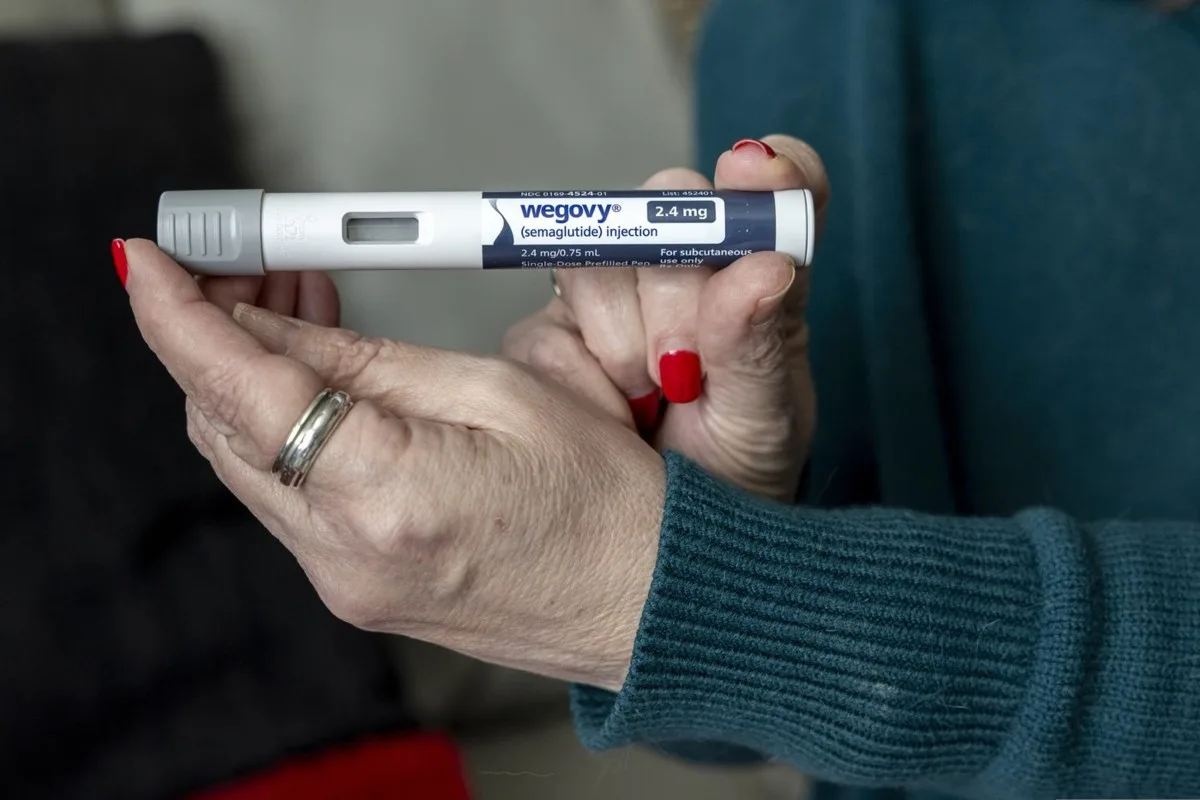
The rapid rise in the popularity and efficacy of GLP-1 receptor agonists (GLP-1s) for weight management has brought with it a crucial question: what are their implications for pregnancy? Medications like semaglutide (Ozempic, Wegovy) and tirzepatide (Mounjaro) have revolutionized weight loss for many, but their use during conception, pregnancy, and breastfeeding has remained a significant area of concern due to a lack of comprehensive safety data.
Historically, regulatory bodies like the UK's Medicines and Healthcare products Regulatory Agency (MHRA) have advised against the use of these powerful drugs for women who are pregnant, trying to conceive, or breastfeeding. This guidance stems from preclinical studies that indicated potential risks to fetal development and pregnancy outcomes. However, the real-world clinical landscape often presents complex scenarios, particularly for individuals undergoing fertility treatments who may need to meet specific BMI thresholds, often while already on these medications.
Addressing this critical knowledge gap, researchers at the University of St Andrews have undertaken the most extensive systematic review to date, examining nearly 50,000 pregnancies. Their findings offer a nuanced perspective, providing "cautious reassurance" for women who may become pregnant while using GLP-1s, though they do not advocate for routine use during pregnancy.
Understanding GLP-1 Receptor Agonists
GLP-1 receptor agonists are a class of medications that mimic the action of the naturally occurring hormone glucagon-like peptide-1. This hormone plays a vital role in regulating appetite and blood sugar levels. By activating GLP-1 receptors, these drugs can:
- Slow gastric emptying, leading to a feeling of fullness sooner and for longer.
- Reduce appetite by signaling to the brain that you are full.
- Improve insulin sensitivity and promote insulin secretion, which can help regulate blood sugar.
These mechanisms contribute to significant weight loss and improved metabolic health in many individuals. Popular brand names associated with this drug class include Ozempic and Wegovy (semaglutide), Mounjaro (tirzepatide), Saxenda and Victoza (liraglutide). While their benefits for weight management are well-documented, the absence of robust human data regarding their safety during pregnancy has necessitated a precautionary approach from healthcare providers and regulators.
The St Andrews Systematic Review: A Deep Dive into Pregnancy Outcomes
The recent study from the University of St Andrews aimed to provide much-needed clarity by systematically reviewing existing observational data. The researchers analyzed information from ten different studies, encompassing a total of approximately 49,000 pregnancies exposed to GLP-1 receptor agonists over a twenty-year period. This large-scale analysis allowed for a more robust assessment of potential risks compared to smaller, individual studies.
Key Findings of the Review
The core of the research focused on identifying associations between GLP-1 exposure and various pregnancy and birth outcomes. The analysis revealed several important points:
Absence of Increased Major Adverse Outcomes
Crucially, the review found no statistically significant association between exposure to weight loss drugs and major adverse fetal outcomes, pregnancy complications, obstetric issues, or labor complications. This suggests that for women who conceive while on these medications, the risk of severe negative outcomes may not be elevated compared to the general population.
Renal Malformations: A Nuanced Observation
A notable, albeit small, association was detected with renal malformations. However, the researchers were quick to point out that this finding is likely reflective of the severity of underlying maternal health conditions, such as pre-existing diabetes or obesity, which are known risk factors for such complications. It is important to distinguish between drug-induced effects and outcomes associated with the maternal health status that led to the prescription of the medication in the first place.
Precision tracking for your journey
Join thousands using Shotlee to accurately track GLP-1 medications and side effects.
📱 Get the Shotlee App
Track your GLP-1 medications, peptides, and health metrics on the go with our mobile app!
Cautious Reassurance, Not Endorsement
Dr. Javier Tello, the senior author of the study and from the School of Medicine at the University of St Andrews, emphasized the study's contribution. "This study tackles an important clinical question amid the surge in weight-loss drug use: their effects on pregnancy," he stated. "Our findings offer cautious reassurance for women who become pregnant unexpectedly while on these medications but do not endorse routine use during pregnancy." This distinction is vital: the study provides data that can inform clinical decisions for accidental pregnancies, but it does not support the intentional use of these drugs during pregnancy.
Implications for Clinical Practice and Future Research
The findings of the St Andrews review have significant implications for how healthcare providers approach the use of GLP-1s in individuals of reproductive age. While current guidelines remain conservative, this new evidence can help inform conversations with patients about the potential risks and benefits, particularly in scenarios where unplanned pregnancies occur.
Bridging the Gap in Fertility Treatments
For individuals undergoing fertility treatments, achieving a healthy BMI is often a prerequisite. In some cases, GLP-1s may be prescribed to help patients reach this goal. The new study suggests that if pregnancy occurs during this process, the immediate concern for major adverse outcomes might be lower than previously assumed. However, this does not negate the importance of discussing the risks and benefits thoroughly with a healthcare provider and considering alternative strategies if pregnancy is planned.
The Need for Long-Term Follow-Up
Despite the reassuring findings, the researchers acknowledge the need for continued investigation. They have called for longer-term follow-up studies to further validate these results and to explore any potential subtle or delayed effects. Understanding the full spectrum of outcomes, including developmental milestones and long-term health in children born to mothers using GLP-1s, remains an important area for future research.
Tracking Health Data with Shotlee
For individuals managing their weight with GLP-1 medications, whether planning a family or not, diligent health tracking is essential. Tools like Shotlee can be invaluable in monitoring weight loss progress, noting any side effects, and keeping a record of medication dosages. This data can be particularly useful when discussing treatment adjustments or pregnancy-related concerns with your doctor, providing a comprehensive overview of your health journey.
Risk vs. Benefit: A Balancing Act
The decision to use any medication, especially during sensitive periods like pregnancy, involves a careful evaluation of risks and benefits. The risk of not managing obesity or metabolic conditions can also pose significant dangers to both mother and baby. These include:
| Maternal Health Condition | Potential Risks During Pregnancy |
|---|---|
| Obesity | Gestational diabetes, preeclampsia, cesarean delivery, congenital anomalies, preterm birth |
| Type 2 Diabetes | Birth defects, macrosomia (large baby), stillbirth, preeclampsia, premature birth |
| Other Metabolic Disorders | Varied risks depending on the specific condition, often impacting fetal development and maternal health |
The St Andrews study suggests that the risks associated with GLP-1 exposure during an accidental pregnancy might be lower than the risks associated with unmanaged maternal obesity or diabetes. However, this does not mean the drugs are risk-free. The potential for renal malformations, even if linked to underlying maternal disease, warrants continued vigilance and further study.
Practical Takeaways
For patients currently using GLP-1 medications:
- If you are trying to conceive: Discuss your plans with your doctor. They may recommend stopping GLP-1s well in advance of conception, based on current guidelines and your individual health profile.
- If you become pregnant unexpectedly: Do not panic. Contact your healthcare provider immediately. Share your medication history, and they will guide you based on the latest evidence and your specific situation.
- Continue to track your health: Use tools like Shotlee to monitor your weight, any symptoms, and medication adherence. This data is crucial for your doctor.
- Stay informed: Keep abreast of evolving research and discuss any concerns with your medical team.
Conclusion
The landscape of weight management is continually evolving, and with it, our understanding of the safety of powerful medications like GLP-1 receptor agonists. The systematic review from the University of St Andrews represents a significant step forward, offering a more nuanced view of their safety in the context of pregnancy. While the findings provide "cautious reassurance" for women who become pregnant unexpectedly while on these drugs, they do not support routine use during pregnancy or breastfeeding. The call for further long-term research underscores the ongoing commitment to ensuring the well-being of both mothers and their children. As always, open communication with healthcare providers and diligent health tracking remain paramount in navigating these complex medical decisions.