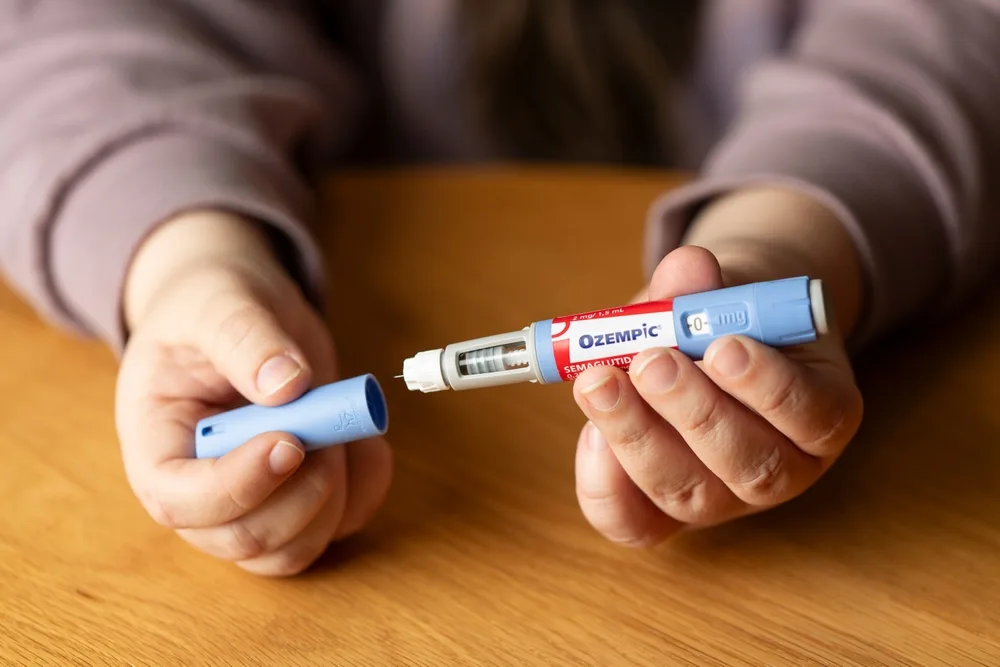

If you've started a GLP-1 medication like semaglutide (Ozempic or Wegovy) or tirzepatide (Mounjaro) expecting improvements in blood sugar, weight loss, or appetite control, but months later, you're not seeing results, you're not alone. GLP-1s don't work for everyone, and understanding why—especially emerging genetic factors—can guide your next steps. This guide breaks down expert insights, a key study on the PAM gene, assessment timelines, testing options, and proven alternatives.
What Are GLP-1 Receptor Agonists and How Do They Work?
"GLP-1 receptor agonists are medications that mimic a natural hormone in your body called glucagon-like peptide-1 [GLP-1]," explains Thomas Tsang, MD, MPH, Chief Medical Officer at Omada Health. "From my perspective, these medications have an effect both on your brain and your metabolism because they act on areas that regulate appetite and reward while also affecting how your pancreas releases insulin and how quickly your stomach empties."
"Many people think about GLP-1s as weight loss drugs, but their benefits can go far beyond that to include improved blood sugar control, better heart health and decreased appetite," adds Dr. Tsang.
These injectable or oral GLP-1 drugs slow gastric emptying, signal fullness to the brain, and enhance insulin secretion in response to meals. For many with type 2 diabetes or obesity, they lead to 10-20% body weight loss and A1C reductions of 1-2%. However, individual responses vary due to factors like dosage, adherence, lifestyle, and now, genetics.
Common Reasons Your GLP-1 Isn't Delivering Results
Kardie Tobb, DO, MS, FASPC, FACC, a board-certified preventive cardiologist and the medical director for the Cone Health HeartCare Women's Heart Health and Cardio-Obstetrics Clinic, explains some of the most common reasons why GLP-1s may not deliver the results you're hoping for.
And just because your GLP-1 isn't working immediately doesn't mean it won't work for you. Dr. Tsang says using a GLP-1 requires practicing self-awareness and patience over time if you expect to lose weight and keep it off.
"You might notice that you have reduced appetite and food cravings and feel satisfied with smaller portions," says Dr. Tsang. "You might also notice improved blood sugar readings, better energy or mood and gradual weight loss. All these factors indicate that you possibly just need time or dose adjustment and likely should continue."
"However, if you have no reduction in appetite after eight to 12 weeks, no weight loss or blood sugar improvement after three to six months or persistent severe side effects that prevent you from going up in dosage, GLP-1s may not be for you," adds Dr. Tsang.
Other influences include suboptimal dosing (titration too slow), poor adherence to injection schedules, high insulin resistance from low muscle mass, inadequate sleep, or diet quality that counters the drug's effects. Tracking symptoms with apps like Shotlee can help monitor appetite changes, blood sugar trends, and side effects to discuss with your doctor.
The Genetic Factor: PAM Gene Variants and GLP-1 Response
New research points to a cause that might not be on your radar yet: your genes. In a study published in Genome Medicine, researchers found that about 10 percent of people carry certain variants of what's known as the PAM gene, and those individuals had a weaker blood sugar response to GLP-1-based drugs compared to non-carriers. This suggests the drugs may not work as well for them. And while the study focused on blood sugar control, experts say it may also help explain why some people don't see the same weight loss results on GLP-1s.
Why? Dr. Tobb explains that the PAM gene helps activate hormones like GLP-1 so they can work properly in the body. If you carry certain variants, your body may not process or "turn on" those hormones as efficiently, leading to weaker GLP-1 signaling. That means even if you're taking a GLP-1 medication for diabetes or weight management, the body's response, like insulin release, may be blunted. So the drug is there, but its full effect isn't.
This genetic insight underscores personalized medicine in metabolic health. While not everyone needs testing, it explains variability beyond lifestyle for non-responders.
Should You Get Tested for the PAM Gene?
If you're hearing about this gene for the first time, you may be wondering how to get tested and what it might cost. Dr. Tobb says the only way to identify a PAM gene variant is through genetic testing, since there are no symptoms or routine lab tests that can detect it. She says this is usually done through broader genetic panels ordered by a doctor, rather than testing for the gene on its own.
"Many cases require prior authorization or are not covered, and out-of-pocket costs generally range from a few hundred dollars for targeted panels to $1,000 to $2,000 for broader panels and several thousand dollars for whole exome or genome sequencing," says Dr. Tobb.
Precision tracking for your journey
Join thousands using Shotlee to accurately track GLP-1 medications and side effects.
📱 Get the Shotlee App
Track your GLP-1 medications, peptides, and health metrics on the go with our mobile app!
Discuss with your endocrinologist or primary care provider if persistent non-response warrants pharmacogenomic testing, often bundled in diabetes or obesity panels.
Beyond Genetics: Other Key Factors Affecting GLP-1 Success
And while Dr. Tobb says the PAM gene is an interesting example of how genetics can influence weight loss and blood sugar control, she says that most differences in results come down to factors like sleep, medication adherence, diet quality, muscle mass and overall insulin resistance.
To optimize outcomes, pair GLP-1s with resistance training to build muscle (boosting metabolism), 7-9 hours of sleep nightly, and consistent dosing. Side effects like nausea often improve with time or antiemetics, allowing dose escalation crucial for efficacy.
GLP-1 Alternatives If They're Not Working for You
If you find you're not responding to GLP-1s, or if you are seeing results and want to build on them, Dr. Tobb shares three GLP-1 alternatives that may help support blood sugar control and weight loss. Ask your doctor if one of these might be right for you.
Metformin
Metformin is a first-line oral medication for type 2 diabetes with a long history of data supporting its use. Dr. Tobb explains that it lowers glucose production in the liver and improves insulin sensitivity in the muscles, which can help stabilize blood sugar and helps reduce appetite in some people.
Pros: Affordable, weight-neutral or loss-promoting, low hypoglycemia risk. Cons: GI upset initially; not as potent for obesity alone.
SGLT2 Inhibitors
This is a once-daily pill that works to support weight loss through the kidneys rather than gut hormones. It helps the body expel excess glucose through urine, Dr. Tobb explains, leading to mild calorie loss, modest weight reduction and improved blood sugar control.
Examples include empagliflozin (Jardiance) or dapagliflozin (Farxiga). Added benefits: heart and kidney protection. Watch for UTIs or dehydration.
Protein-Fiber Focused Diet
Dr. Tobb says this eating approach emphasizes protein, fiber and minimally processed carbs and can complement the results you might see on weight loss medications. Protein helps increase satiety hormones, reduces blood sugar spikes after meals and supports muscle mass, which plays a key role in improving insulin sensitivity, she adds.
Aim for 1.6g protein/kg body weight daily, high-fiber veggies, and whole grains. This amplifies any medication's effects.
Key Takeaways: What This Means for Patients
- Give GLP-1s 8-12 weeks for appetite effects, 3-6 months for weight/blood sugar changes.
- 10% carry PAM gene variants blunting GLP-1 response per Genome Medicine study.
- Genetic testing costs $200-$2000+; discuss with doctor for non-responders.
- Lifestyle factors like sleep and muscle mass often drive differences more than genes.
- Alternatives: Metformin, SGLT2s, protein-fiber diets offer solid options.
Conclusion: Personalized Paths to Metabolic Health
We get it. When a new health routine or medication seems to work beautifully for everyone else, it's natural to feel frustrated, or even isolated, when you're not seeing the same results. But here's the truth: Your body is unique, and that's not a flaw.
Understanding why your GLP-1 may not be working as expected is the first step toward finding what will work. Whether it's adjusting your dosage, giving it more time, exploring alternatives or working with your doctor to try a different approach, you have options to reach your weight-loss goals.
Consult your healthcare provider before changes, and consider related topics like natural diabetes prevention or phentermine considerations for comprehensive care.