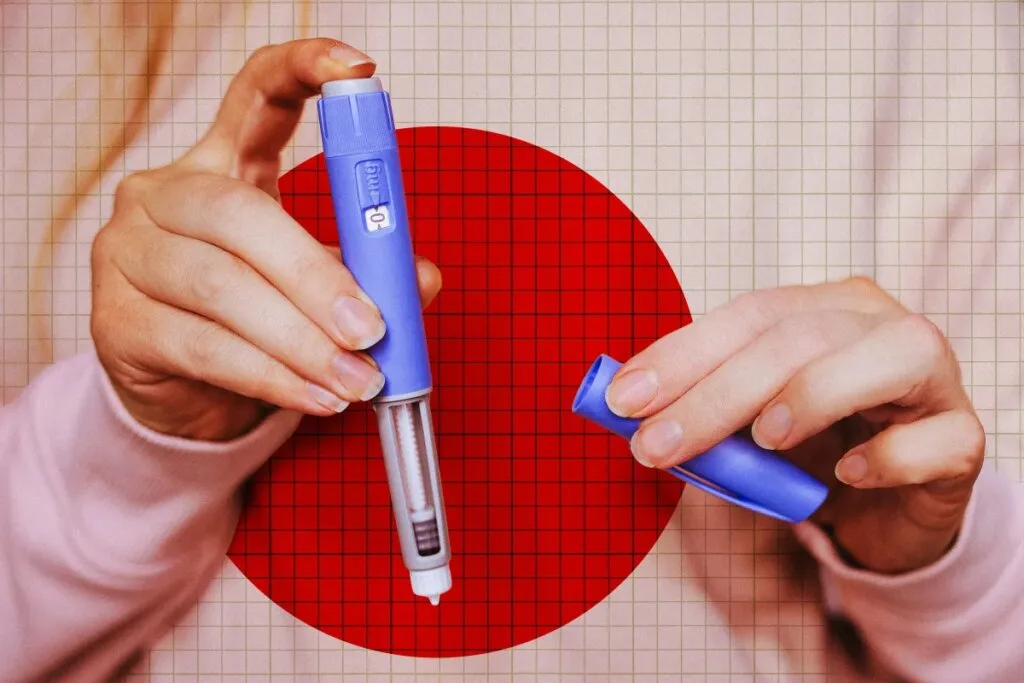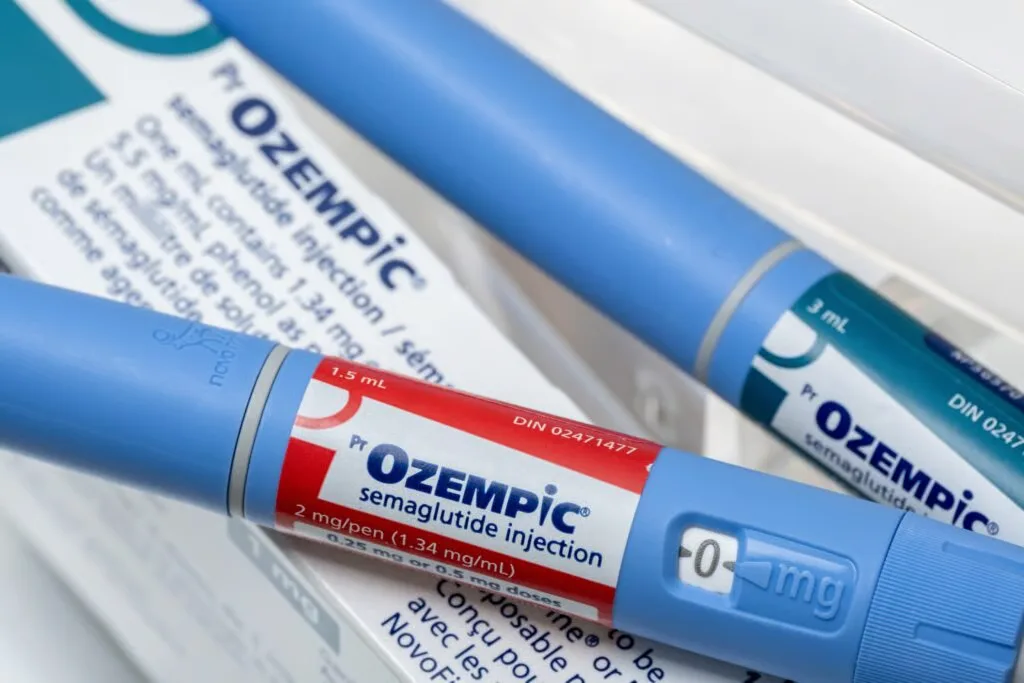

GLP-1 weight-loss drugs, such as Ozempic and Wegovy, have transformed management of Type 2 diabetes and obesity, offering impressive results in blood sugar control and weight reduction. However, GLP-1 medications are now under renewed scrutiny due to emerging research suggesting a potential link to bone loss and fractures, particularly among older adults aged 65 and above. This guide explores the latest findings, underlying mechanisms, and practical strategies to safeguard bone health while reaping the benefits of these therapies.
Background on GLP-1 Medications
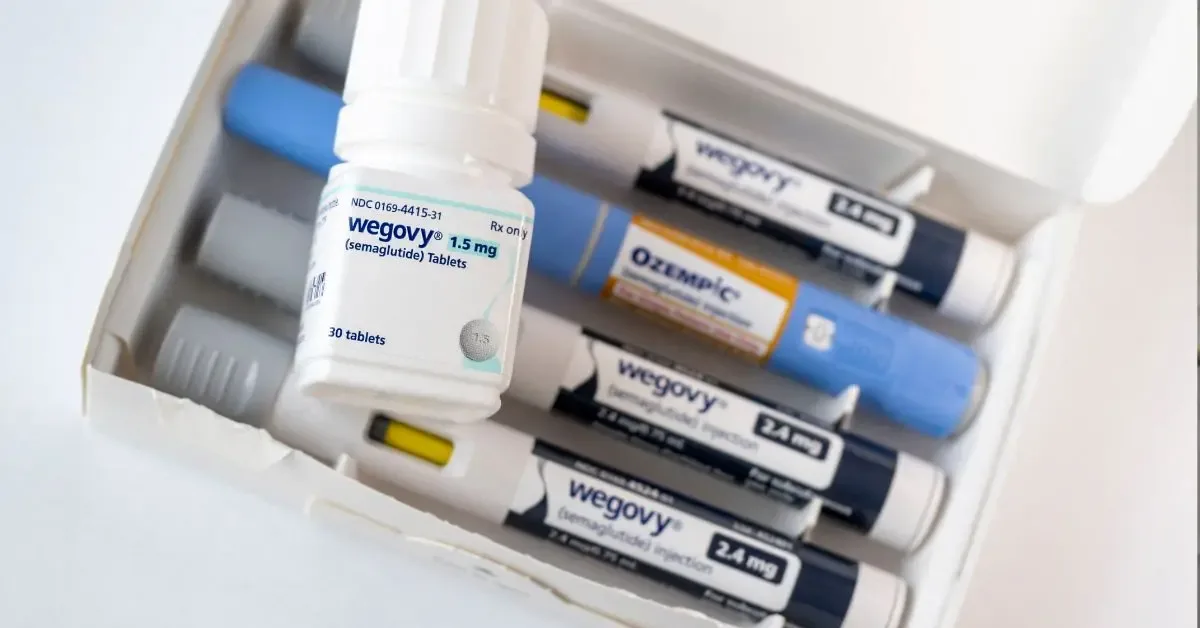
GLP-1 receptor agonists mimic the glucagon-like peptide-1 hormone, which regulates blood sugar by stimulating insulin release, slowing gastric emptying, and reducing appetite. Drugs like semaglutide (found in Ozempic for diabetes and Wegovy for weight loss) have gained widespread use for their efficacy in lowering A1C levels and promoting sustained weight loss. Cardiovascular benefits, such as reduced heart attack risk, have also been well-documented in prior trials. Yet, as usage expands, long-term effects on other systems, including skeletal health, are coming into focus.
New Research Highlights Potential Risks
A study published in the Journal of Clinical Endocrinology & Metabolism tracked tens of thousands of adults aged 65 and older over several years. It found that those taking GLP-1 medications had a modest but notable increase in the risk of fragility fractures compared to individuals using other diabetes treatments.
Fragility fractures—breaks caused by minor falls or everyday movement—can have serious consequences in older populations, often leading to hospitalization or reduced independence.
Another large-scale analysis presented at a major orthopedic conference reported higher rates of osteoporosis among GLP-1 users, along with slightly increased cases of gout and rare bone-softening conditions. While these findings are still being evaluated, they point to a broader pattern worth monitoring.
Who Is Most at Risk?
Older adults represent the primary concern, as age-related bone density decline (osteopenia or osteoporosis) compounds any medication effects. Women post-menopause and those with pre-existing low bone mass may be particularly vulnerable. Rapid weight loss, a hallmark of GLP-1 therapy, can accelerate these risks if not managed proactively.
Why Bone Health May Be Affected by GLP-1 Drugs
Researchers believe several factors could explain the connection between GLP-1 medications and bone issues.
- Rapid weight loss: One of the main benefits of GLP-1 drugs reduces the physical load placed on bones, which can lead to decreased bone density over time. Less body weight means less mechanical stress to stimulate bone remodeling.
- Nutritional changes: Reduced appetite may result in lower intake of essential nutrients such as calcium, vitamin D, and protein, all of which are critical for maintaining strong bones.
- Metabolic shifts: Changes in metabolism during weight loss may also temporarily increase uric acid levels, contributing to conditions like gout.
These mechanisms align with observations in other weight-loss interventions, like bariatric surgery, where bone density losses have been noted. However, GLP-1 drugs' unique profile—sustained appetite suppression and slower weight loss compared to surgery—may modulate the extent of impact.
Expert Guidance: Caution, Not Panic
Health professionals emphasize that these findings should not discourage patients from using GLP-1 medications when prescribed appropriately. The drugs continue to offer significant benefits, including improved blood sugar control and reduced cardiovascular risk.
Precision tracking for your journey
Join thousands using Shotlee to accurately track GLP-1 medications and side effects.
📱 Get the Shotlee App
Track your GLP-1 medications, peptides, and health metrics on the go with our mobile app!
"These risks are modest and should be weighed against the substantial advantages for many patients," note experts in endocrinology and orthopedics.
Instead, experts recommend a more balanced approach especially for older adults. This may include assessing bone health before starting treatment, monitoring changes over time, and incorporating strategies to protect bone density.
Protecting Bone Health During GLP-1 Treatment
Patients using GLP-1 medications are advised to focus on maintaining adequate nutrition, particularly calcium and vitamin D intake. Aim for 1,200 mg of calcium daily from food sources like dairy, leafy greens, and fortified products, plus 800-2,000 IU of vitamin D through sunlight, supplements, or fatty fish.
Resistance and weight-bearing exercises can also help counteract bone loss by strengthening both muscles and the skeletal system. Activities like walking, jogging, weightlifting, or yoga—30 minutes most days—promote osteoblast activity and bone formation.
Regular bone density screenings, such as DEXA scans, may help detect early changes and guide treatment decisions. Discuss with your doctor if baseline testing is warranted, especially if you have risk factors like family history of osteoporosis or prior fractures.
For tracking symptoms, side effects, or medication schedules, apps like Shotlee can provide personalized insights to share with healthcare providers.
Comparing GLP-1s to Alternatives
Compared to other diabetes treatments like metformin or SGLT2 inhibitors, GLP-1s show similar or lower overall fracture risks in some datasets, but the bone-specific signals warrant attention. Sulfonylureas, for instance, carry hypoglycemia risks without the weight-loss perk. Lifestyle interventions alone often fall short for obesity, making GLP-1s a key option when monitored.
Ongoing Research and Future Implications
As GLP-1 drugs become increasingly common, understanding their long-term effects is becoming more urgent. Researchers note that conditions like osteoporosis develop over time and are influenced by multiple factors, making it difficult to isolate the exact role of any single medication.
Still, the growing body of evidence is prompting closer examination of how these drugs affect overall health beyond weight loss and blood sugar control. Upcoming trials, including those from SELECT and STEP programs, may clarify fracture risks with extended follow-up.
Key Takeaways for Patients on GLP-1 Medications
- GLP-1 drugs like Ozempic and Wegovy offer proven benefits but may increase fragility fracture risk in older adults, per recent studies.
- Monitor bone health with baseline assessments and regular screenings.
- Prioritize nutrition (calcium, vitamin D, protein) and weight-bearing exercise.
- Consult your doctor for personalized risk-benefit analysis—benefits often outweigh risks with proper management.
- Stay informed on evolving research to make empowered decisions.
Conclusion: Informed Use of GLP-1 Therapies
The latest findings underscore the need for continued research and informed decision-making. While GLP-1 therapies remain a powerful tool in modern medicine for Type 2 diabetes and obesity, experts say their use should be paired with careful monitoring and a comprehensive approach to patient health including bone protection. By integrating preventive measures, patients can maximize benefits while minimizing skeletal risks. Always discuss concerns with your healthcare provider to tailor treatment to your needs.