Introduction
GLP-1 receptor agonists like Ozempic, Wegovy, and Mounjaro have transformed diabetes management and weight loss, helping millions achieve better metabolic health. However, a recent MHRA alert underscores a rare yet potentially severe side effect: acute pancreatitis. Affecting an estimated 1.6 million adults in England, Wales, and Scotland between early 2024 and early 2025, these medications demand vigilance. This comprehensive guide explains the warning, pancreatitis mechanisms, symptoms, risks, and practical strategies to monitor and mitigate issues while maximizing benefits.
What Are GLP-1 Medications?
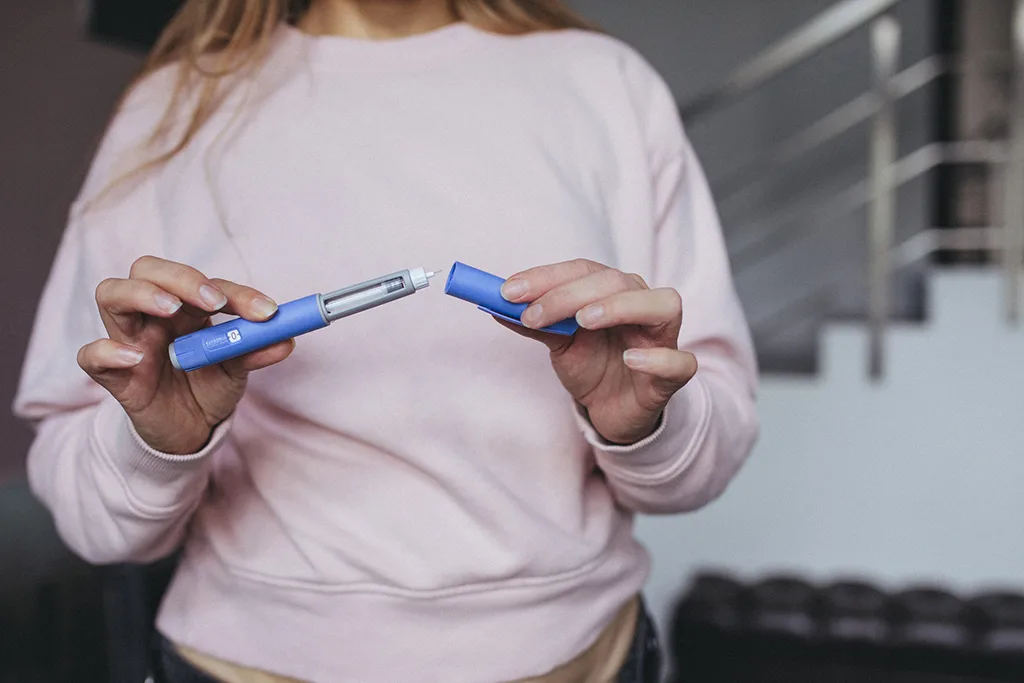
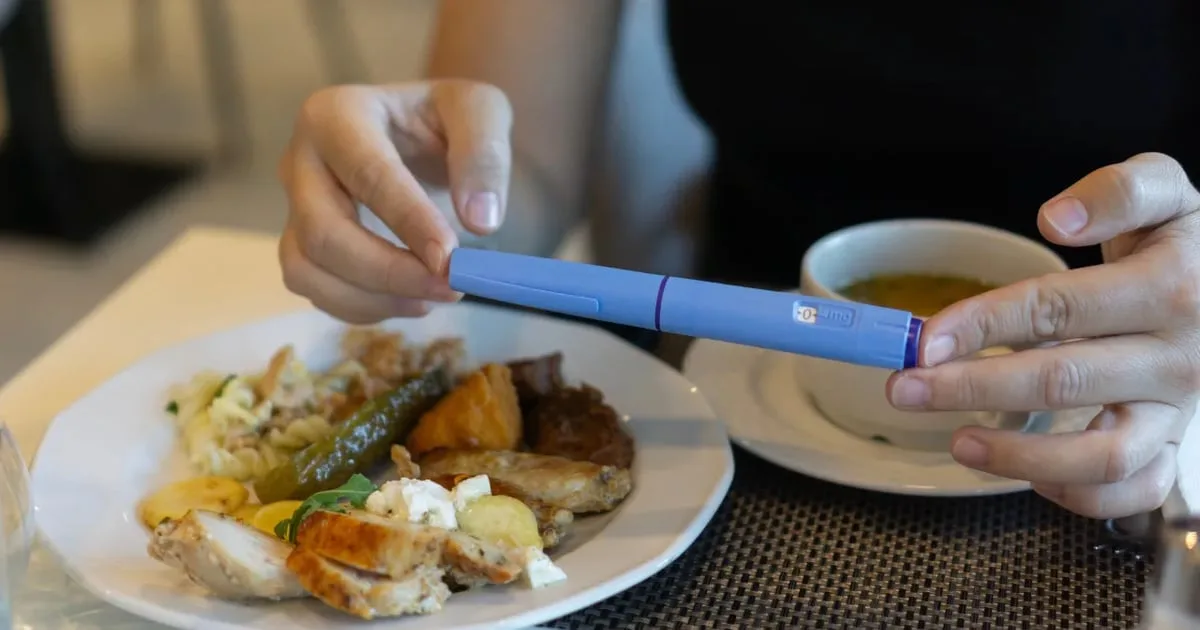
GLP-1 (glucagon-like peptide-1) receptor agonists mimic the gut hormone GLP-1, which regulates blood sugar, appetite, and digestion. They slow gastric emptying, enhance insulin secretion, and promote satiety, leading to significant weight loss and glycemic control.
- Ozempic (semaglutide): Weekly injection approved for type 2 diabetes and cardiovascular risk reduction in patients with established heart disease and BMI ≥27 kg/m².
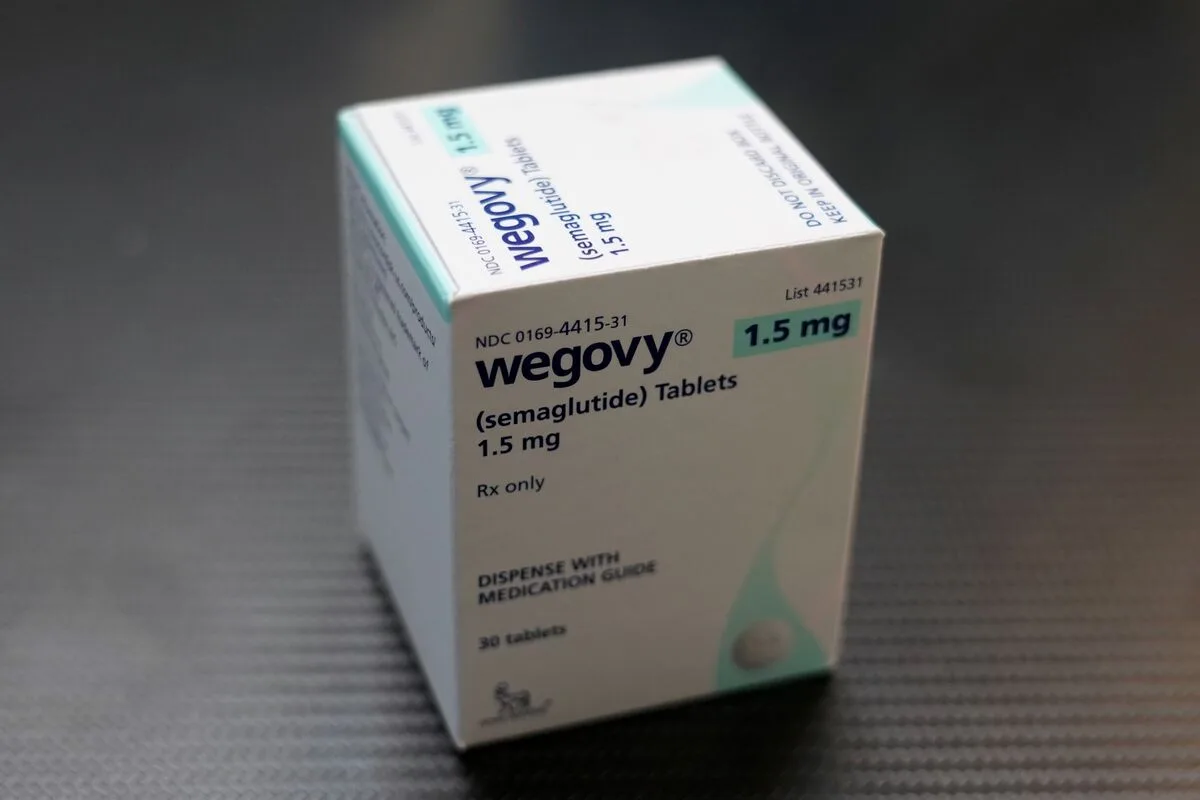
- Wegovy (semaglutide): Higher-dose version licensed specifically for chronic weight management in adults with obesity or overweight with comorbidities.
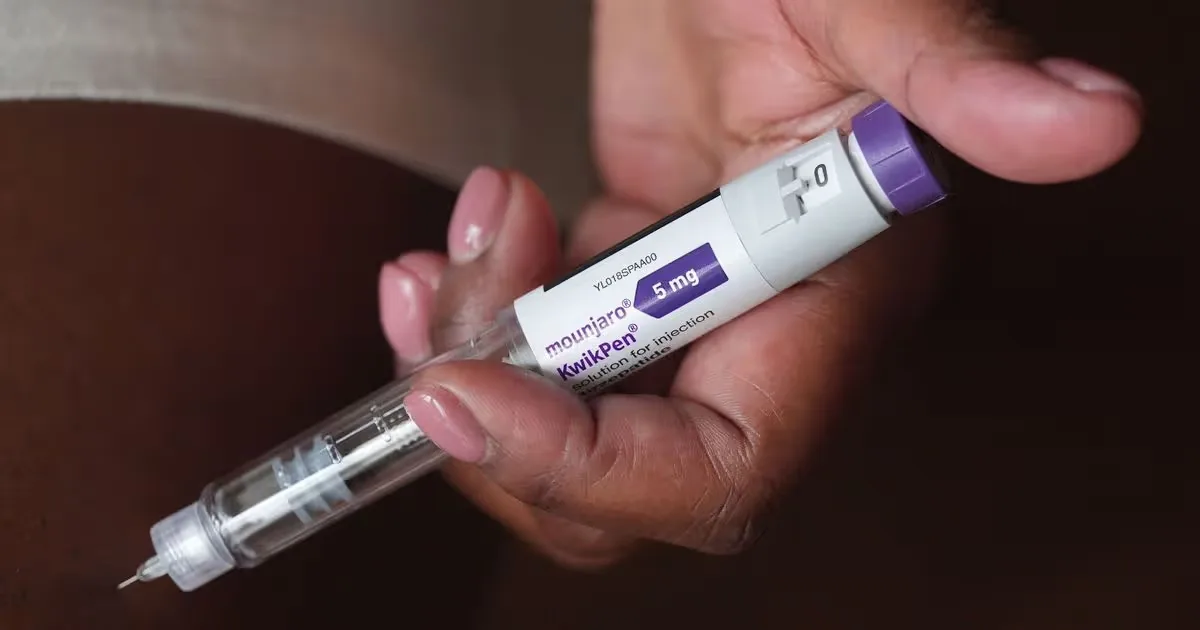
- Mounjaro (tirzepatide): Dual GLP-1/GIP agonist for type 2 diabetes; Zepbound (same active ingredient) targets weight loss. It offers superior weight reduction in trials like SURMOUNT.
These drugs deliver substantial health benefits—up to 15-20% body weight loss and reduced cardiovascular events—but post-marketing surveillance reveals rare risks like pancreatitis.
The MHRA Alert: Focus on Acute Pancreatitis
On Friday, the Medicines and Healthcare products Regulatory Agency (MHRA) updated product information for GLP-1s, urging patients and providers to recognize acute pancreatitis symptoms. Chief Safety Officer Alison Cave emphasized:
"Patient safety is the MHRA's top priority... The risk of developing these severe side effects is very small, but it is important that patients and healthcare professionals are aware and alert to the associated symptoms."
Acute pancreatitis involves inflammation of the pancreas, a gland behind the stomach that produces digestive enzymes and insulin. In severe cases, it can lead to organ damage, though most recover within a week per NHS data.
Symptoms to Watch For
The MHRA specifies severe, persistent abdominal pain that may radiate to the back, often with nausea and vomiting. NHS lists additional signs:
- Sudden, intense upper abdominal pain
- Fever
- Swollen or tender abdomen
- Rapid pulse
- Jaundice (yellowing of skin/eyes in severe cases)
Action required: Seek urgent care via GP, NHS 111, or A&E. Report via the Yellow Card scheme for pharmacovigilance.
Understanding Acute Pancreatitis and GLP-1 Links
Pancreatitis disrupts enzyme activation, causing them to digest pancreatic tissue. Common triggers include gallstones (40-50% of cases) and alcohol (30%), but medications like GLP-1s are implicated in drug-induced pancreatitis.
Precision tracking for your journey
Join thousands using Shotlee to accurately track GLP-1 medications and side effects.
📱 Get the Shotlee App
Track your GLP-1 medications, peptides, and health metrics on the go with our mobile app!
Mechanistically, GLP-1s may elevate pancreatic enzyme levels or alter ductal function, though evidence is associative from case reports and registries, not definitive RCTs. Incidence remains low: <1% in trials like STEP (semaglutide) and SURPASS (tirzepatide), but real-world data from sources like FDA's FAERS show elevated signals. A 2023 meta-analysis in The Lancet found odds ratios of 1.4-9 for GLP-1s vs. placebo, confirming rarity but clinical relevance.
Risk Factors
- History of pancreatitis, gallstones, or alcohol use
- High doses or rapid titration
- Concomitant medications (e.g., statins, diuretics)
- Obesity itself (pre-existing risk)
Patients with BMI ≥27 and CVD are typical candidates, overlapping with pancreatitis risks.
Incidence and Real-World Data
University College London research estimates 1.6 million GLP-1 users for weight loss alone. MHRA monitoring via Yellow Card has identified pancreatitis cases, prompting the update. Comparatively:
| Drug | Trial Pancreatitis Rate | Post-Marketing Signal |
|---|---|---|
| Ozempic/Wegovy | 0.1-0.3% | Moderate (FAERS) |
| Mounjaro/Zepbound | 0.2-0.4% | Emerging |
Benefits outweigh risks for most: SUSTAIN trials showed 26% relative CVD risk reduction with semaglutide.
Safe Use: Monitoring and Management Strategies
To minimize risks:
- Titrate slowly: Start low (e.g., Ozempic 0.25mg/week) to reduce GI intolerance and potential pancreatic stress.
- Lifestyle synergy: Pair with balanced nutrition, exercise; avoid alcohol excess.
- Regular check-ins: Monitor amylase/lipase if symptoms arise; baseline imaging for high-risk patients.
Tools like Shotlee can help track symptoms, side effects, and nutrition alongside GLP-1 therapy, empowering proactive reporting to providers.
Broadening Side Effect Awareness
Beyond pancreatitis, GLP-1s carry risks of gastroparesis, bowel obstruction (ileus), and thyroid C-cell tumors (rodent data). Manage GI issues with hydration, small meals; discontinue if severe.
Conclusion
The MHRA's pancreatitis warning for Ozempic, Wegovy, and Mounjaro reinforces that while GLP-1s are safe and transformative for most, awareness saves lives. Recognize severe abdominal/back pain, seek prompt care, and report via Yellow Card. Consult your healthcare provider for personalized risk assessment, combining medication with lifestyle for optimal metabolic health. Stay informed, stay safe.