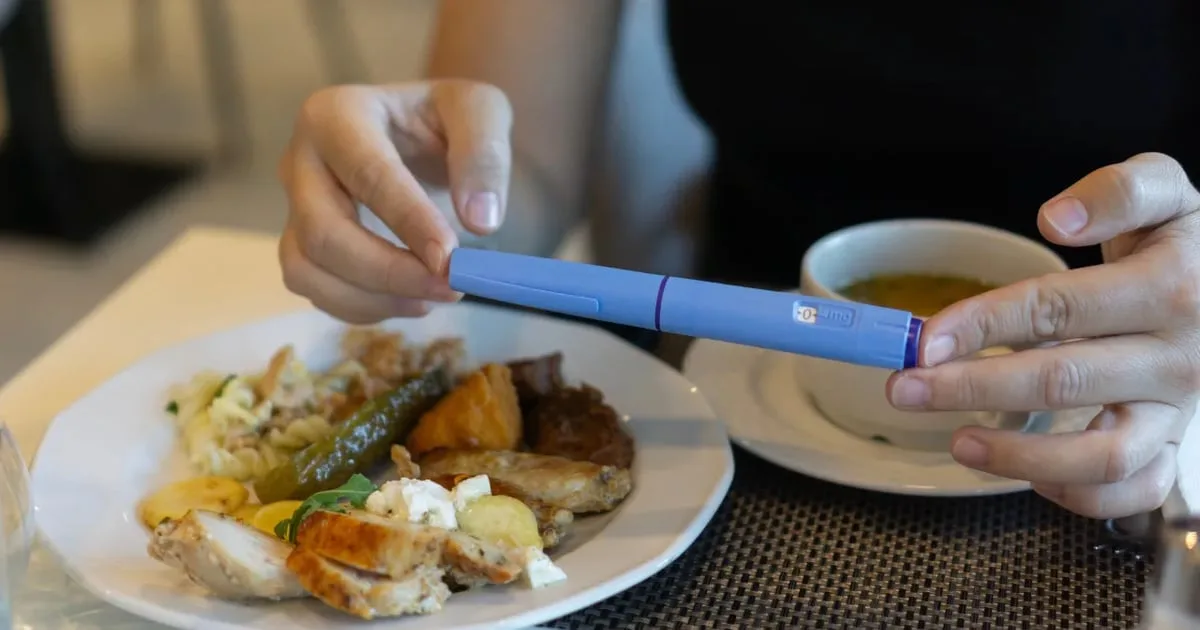

Introduction to GLP-1 Medications and Emerging Concerns
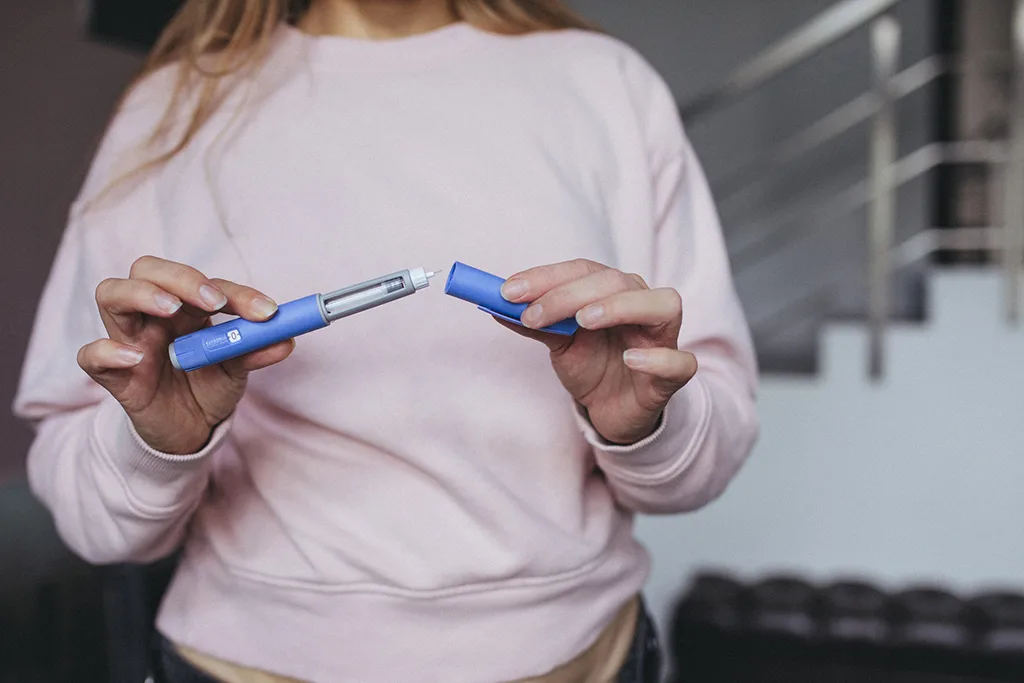
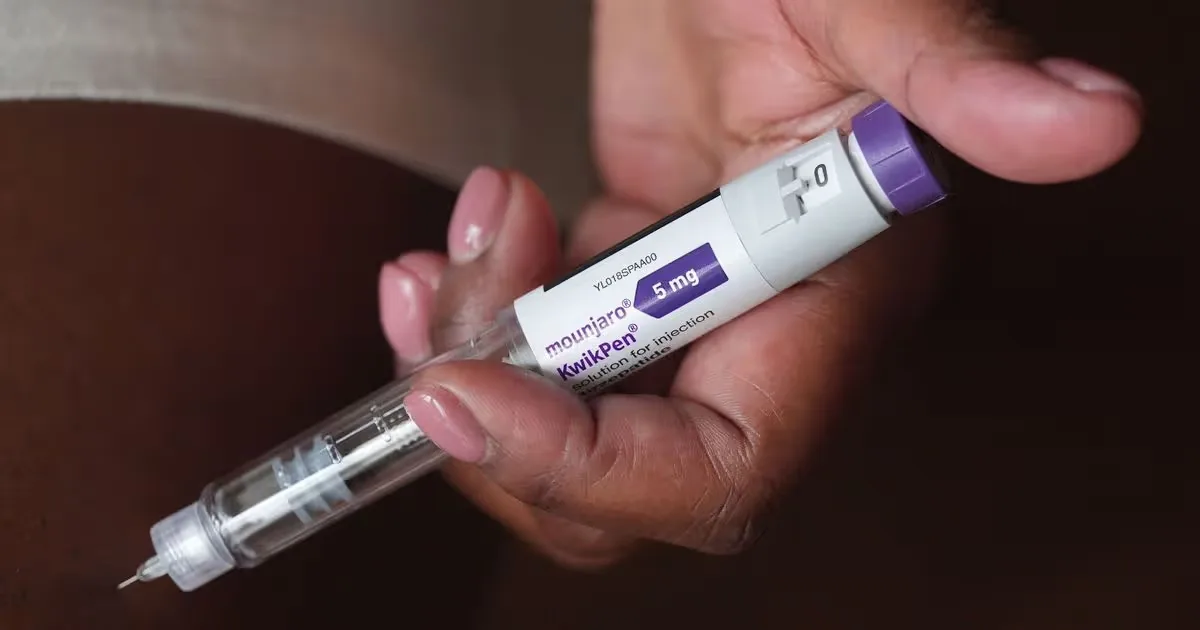
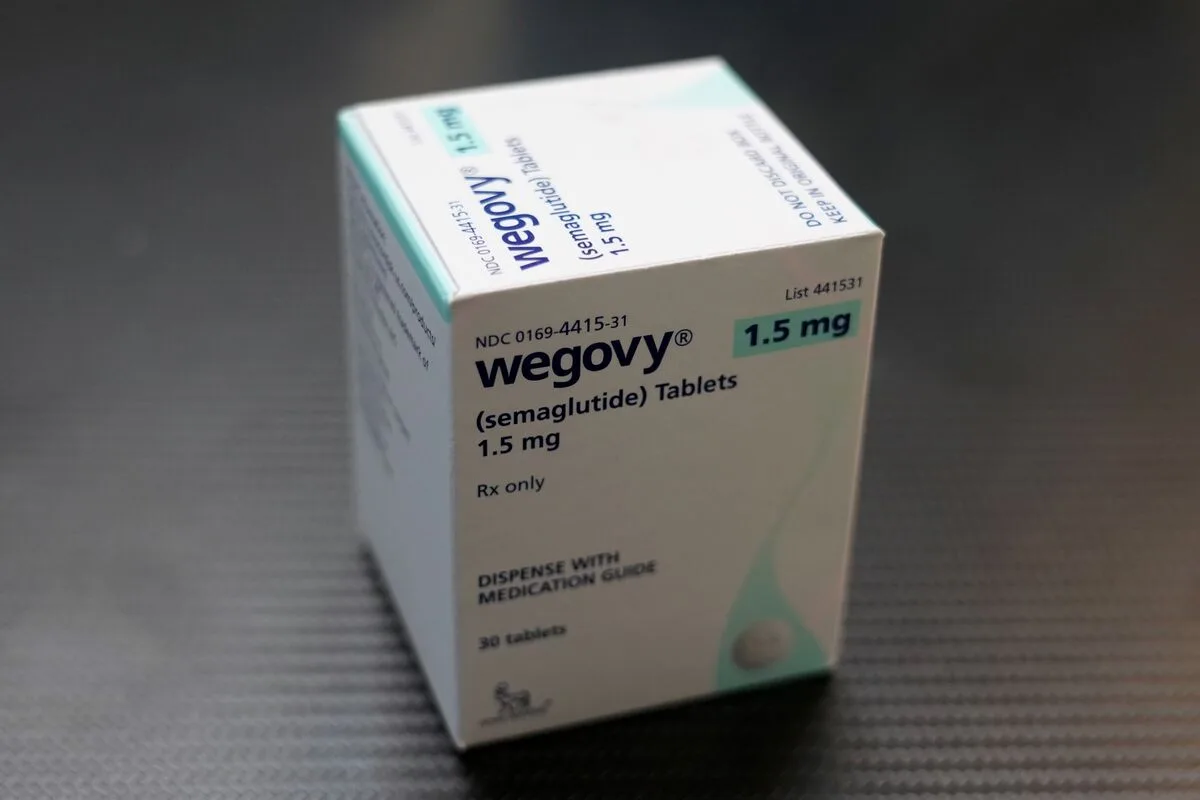
GLP-1 receptor agonists—such as Ozempic (semaglutide), Wegovy (higher-dose semaglutide), Mounjaro (tirzepatide), and Zepbound (tirzepatide for weight loss)—mimic the glucagon-like peptide-1 hormone to regulate blood sugar, slow gastric emptying, and reduce appetite. These drugs have helped millions manage type 2 diabetes and achieve significant weight loss, with clinical trials showing 15-20% body weight reduction over 68 weeks in obesity studies like STEP for semaglutide.
However, with usage exploding—estimates suggest over 15 million U.S. prescriptions monthly in 2024—post-marketing reports and lawsuits are spotlighting side effects not always emphasized initially. Over 4,400 lawsuits filed since 2023 allege severe issues like gastroparesis, intestinal obstructions, and rare vision problems. While these represent a tiny fraction of users, understanding them empowers informed decisions.
How GLP-1 Drugs Work and Why Side Effects Occur
GLP-1s act on receptors in the gut, pancreas, and brain. They delay gastric emptying, promoting fullness; enhance insulin secretion; and suppress glucagon. This mechanism drives efficacy but also risks:
- Gastrointestinal slowdown: Core to action, but extremes can lead to gastroparesis.
- Appetite suppression: Reduces calorie intake, potentially causing nutrient gaps if unmanaged.
- Systemic effects: Influences on blood vessels and nerves under investigation for rarer issues.
Clinical trials (e.g., SURMOUNT for tirzepatide) reported GI side effects in 20-40% of users, mostly mild nausea resolving over time. Real-world data from sources like FAERS (FDA Adverse Event Reporting System) shows higher volumes of severe reports.
Common Side Effects: What Most Users Experience
Nausea, vomiting, diarrhea, and constipation affect up to 44% initially, per Wegovy's label, but drop with dose titration (start low, go slow). Pro tip: Pair with anti-nausea aids like ginger or B6, and hydrate aggressively.
Managing Everyday GI Issues
- Eat smaller, frequent meals high in protein and fiber.
- Avoid fatty/greasy foods that exacerbate delays.
- Use OTC remedies; consult MD for persistent cases.
Tools like Shotlee can track symptoms, side effects, and nutrition intake, helping spot patterns early.
Serious Side Effects in the Spotlight: Lawsuit Allegations
Lawsuits target Novo Nordisk (Ozempic, Wegovy) and Eli Lilly (Mounjaro, Zepbound), claiming inadequate warnings. Key allegations:
Gastroparesis and Intestinal Problems
About 75% of suits cite gastroparesis, where stomach emptying halts, causing severe vomiting, bloating, and malnutrition. FDA added warnings in 2023 after 50+ cases; incidence ~1-2% in trials but higher post-market. Symptoms: persistent nausea post-meals, undigested food in vomit.
A 2024 study in JAMA linked semaglutide to 4x higher gastroparesis risk vs. non-users, based on electronic health records of 16,000 patients.
36% report obstructions, like ileus. Risk factors: female, longer use, higher doses.
Vision Changes and 'Eye Strokes'
Over 110 plaintiffs allege sudden blindness or vision loss, including non-arteritic anterior ischemic optic neuropathy (NAION), dubbed 'eye stroke.' A 2024 JAMA Ophthalmology study found semaglutide users 4-7x more likely to develop NAION, analyzing 17,000 cases. Mechanism? Possible vascular effects from rapid weight loss or direct GLP-1 impact on optic nerve blood flow.
Precision tracking for your journey
Join thousands using Shotlee to accurately track GLP-1 medications and side effects.
📱 Get the Shotlee App
Track your GLP-1 medications, peptides, and health metrics on the go with our mobile app!
Not on labels yet, but under FDA review. Monitor for blurred vision, scotomas; seek immediate care.
Rare Neurological Risks: Wernicke's Encephalopathy
One suit claims this thiamine-deficiency brain disorder from prolonged vomiting/malnutrition. Confusion, ataxia, ophthalmoplegia hallmark it. Prevent with B-vitamin supplementation, especially if GI issues persist.
Lawsuit Landscape: Numbers, Defenses, and Implications
4,400+ cases consolidated in federal MDL (multidistrict litigation), with more expected. Plaintiffs argue off-label omissions; e.g., gastroparesis listed as 'severe' but not 'permanent' risk.
Manufacturers counter: Drugs are FDA-approved, safe for labeled use; side effects disclosed; lawsuits lack causation proof. Novo/Lilly trials showed low severe event rates (<1%). They vow vigorous defense.
For users: Suits highlight vigilance needs, not abandonment—benefits outweigh risks for most per guidelines (ADA, AACE).
Expert Strategies for Safe GLP-1 Use
Monitoring and Early Intervention
- Baseline tests: gastric emptying study if history of motility issues.
- Weekly symptom logs; apps like Shotlee integrate with wearables for holistic tracking.
- Red flags: Unrelenting vomit (>1wk), vision changes, neurological symptoms—stop drug, ER.
Lifestyle Synergies
GLP-1s amplify diet/exercise: Aim 1.6g/kg protein, fiber >30g/day to counter muscle loss (up to 40% of weight shed). Strength train 2-3x/week. Hydrate 3L+ daily.
Supplements: Multivitamin, electrolytes, thiamine if vomiting.
Who Should Avoid or Pause?
History of pancreatitis, medullary thyroid cancer, gastroparesis. Pregnancy: discontinue 2 months prior.
Conclusion: Balancing Benefits and Risks
GLP-1s offer profound metabolic benefits, but lawsuits underscore rare yet serious side effects like gastroparesis (75% claims), vision loss, and obstructions. With millions benefiting, focus on informed use: titrate slowly, monitor diligently, integrate lifestyle. Consult providers for personalized risk assessment—empowerment through knowledge ensures safer journeys to better health.