
Introduction
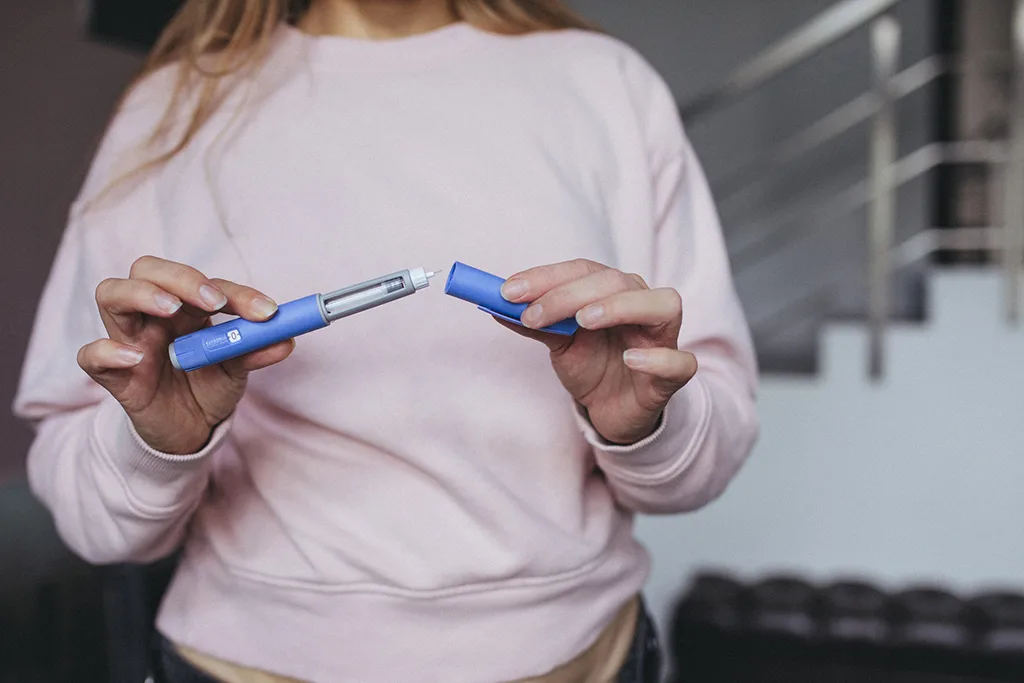
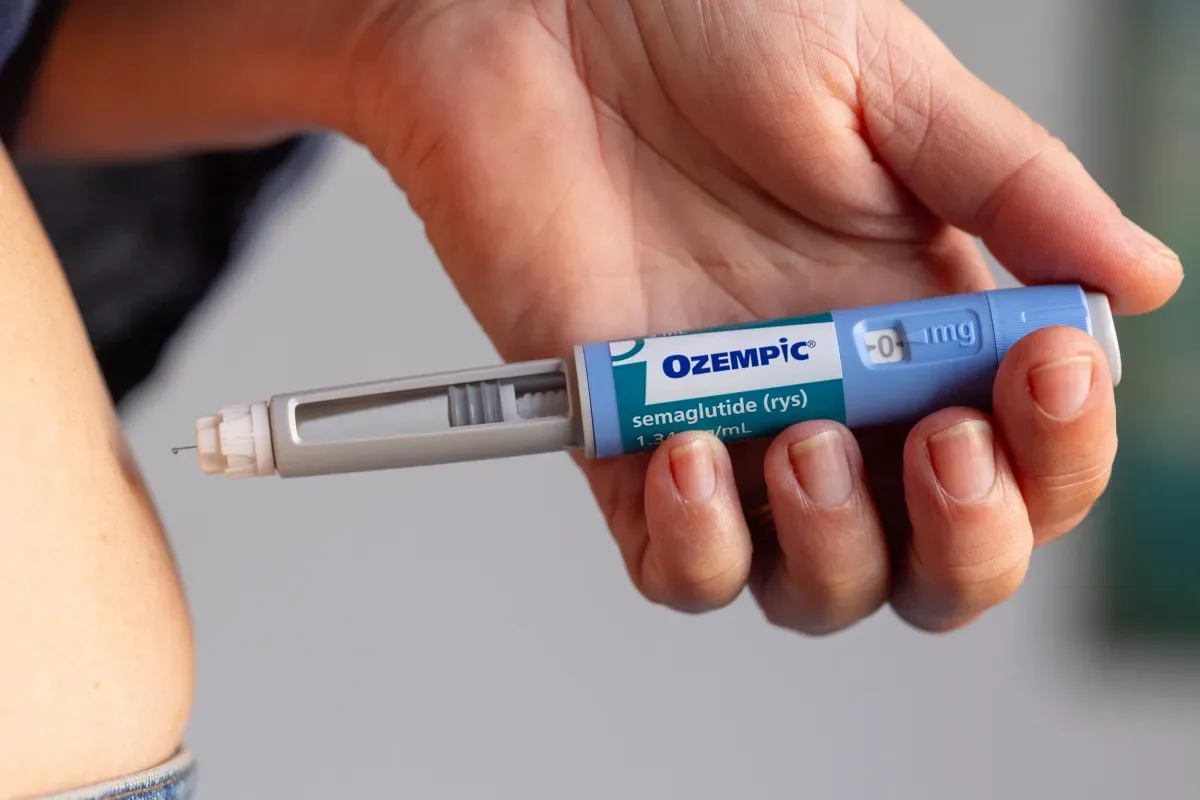
GLP-1 receptor agonists (GLP-1 RAs), such as Ozempic (semaglutide), Wegovy (semaglutide), Mounjaro (tirzepatide), and Zepbound (tirzepatide), have surged in popularity for managing type 2 diabetes, obesity, and related conditions like high cholesterol. These injectable medications mimic the GLP-1 hormone to suppress appetite, slow gastric emptying, and improve insulin sensitivity, leading to significant weight loss—often 15-20% of body weight in clinical trials.
For health-conscious seniors over 65, the appeal is clear: better metabolic health and reduced cardiovascular risk. However, age-related vulnerabilities amplify certain risks. Experts like Yuval Pinto, MD, from Johns Hopkins, emphasize that while benefits exist, precautions are essential to prevent complications like frailty or falls. This guide provides a comprehensive overview of risks, monitoring, and strategies tailored for older patients.
High-Risk Concerns for GLP-1 Use in Seniors
Older adults experience physiological changes that interact poorly with rapid weight loss induced by GLP-1s. Here's a deep dive into the most critical risks.
Sarcopenia: Accelerating Muscle Loss
Sarcopenia—the progressive loss of skeletal muscle mass and strength—affects up to 50% of those over 80 and accelerates after 65. It heightens frailty, falls, and disability risk. GLP-1 RAs promote fat loss but also lean mass reduction, with studies showing 20-40% of total weight loss coming from muscle in unsupervised rapid scenarios.
"GLP-1 RAs exacerbate sarcopenia by promoting lean mass loss along with fat mass loss during weight reduction," says Pinto. "This is particularly concerning in rapid weight-loss scenarios as it may push an already vulnerable population into frailty and increased fall risk."
Mechanism: Appetite suppression reduces overall calorie intake, including protein, while decreased mechanical loading from weight loss impairs muscle maintenance. Clinical trials like STEP 1 for semaglutide noted ~13 pounds of lean mass loss alongside fat. Counter this with resistance training and high protein (more below).
Bone Loss and Fracture Risk
Rapid weight loss unloads bones, reducing osteoblast activity and disrupting mineral homeostasis. Postmenopausal women, with baseline osteoporosis risk, are especially vulnerable. A study in older diabetes patients on GLP-1s showed a 12% higher fracture risk versus other antidiabetics. Wegovy's FDA label reports hip fractures at 1% (vs. 0.2% placebo).
Context: Bones adapt to mechanical stress; less weight means less stimulus for density. Long-term data from SUSTAIN trials confirm modest BMD declines. Dual-energy X-ray absorptiometry (DEXA) scans pre-treatment are advisable for at-risk seniors.
Dehydration and Acute Kidney Injury (AKI)
GI side effects—nausea (44% in trials), vomiting (24%), diarrhea (30%)—curb fluid intake and boost losses. Seniors, with diminished thirst perception and baseline CKD in ~30%, face AKI risk from even mild symptoms. eGFR drops can occur within weeks; hospitalization rates rise 2-3 fold in vulnerable groups.
Pinto notes: "Elderly patients... are at high risk for severe dehydration even from mild GI symptoms." Hydration monitoring is non-negotiable.
Precision tracking for your journey
Join thousands using Shotlee to accurately track GLP-1 medications and side effects.
📱 Get the Shotlee App
Track your GLP-1 medications, peptides, and health metrics on the go with our mobile app!
Moderate Risks in Older GLP-1 Patients
Gastrointestinal Side Effects
These are dose-dependent and peak early but persist longer in seniors due to slower metabolism. While tolerable in youth, they precipitate dehydration/AKI or malnutrition in elders. Titrate slowly: start at 0.25mg semaglutide weekly, escalating only if tolerated.
Hypoglycemia
Low risk as monotherapy (GLP-1s enhance glucose-dependent insulin), but combos with insulin/sulfonylureas spike it—up to 20% incidence. Seniors' blunted counter-regulatory responses (e.g., glucagon) worsen outcomes. Continuous glucose monitors aid detection.
Neurologic Changes
Dizziness tops the list, linked to dehydration, hypotension, or vagal effects. Falls risk escalates; one study reported 5-10% dizziness in older cohorts.
Benefits of GLP-1s for Seniors: A Balanced View
Despite risks, GLP-1s offer cardiometabolic gains: SELECT trial showed 20% lower CV events in obese non-diabetics (mean age 62). They improve A1c, lipids, and NAFLD. For frail seniors, modest dosing yields benefits without extremes.
Enhanced Supervision and Monitoring Strategies
"Older individuals benefit from closer monitoring," advises Shauna Levy, MD, from Tulane. Key directives:
- Protein intake: 60-90g/day minimum; consult a dietitian. Protein preserves muscle—aim for leucine-rich sources like whey.
- Hydration: 64oz decaffeinated fluids daily. Track intake; apps like Shotlee can log hydration alongside symptoms and nutrition.
- Exercise: Resistance training 2-3x/week (e.g., squats, bands). Builds muscle countering sarcopenia; pair with walking for bone health.
- Dosing: Slow titration; no escalation until tolerated. Use branded meds for purity—avoid compounded due to dosing variability.
- Labs/Monitoring: Baseline/quarterly: renal function (eGFR), electrolytes, DEXA if osteoporotic. Track muscle via gait speed or chair stands.
Tools like Shotlee simplify logging side effects, nutrition, and progress for better physician feedback.
When Older Patients Should Avoid GLP-1s: Contraindications
Not all seniors qualify. Absolute no-gos per Pinto:
- Personal/family history of medullary thyroid cancer or MEN2.
- Bowel obstruction or severe gastroparesis.
- End-stage renal disease/dialysis.
Strong relative contraindications:
- Moderate-severe dementia (can't report symptoms).
- CKD stage 4.
- Baseline sarcopenia/frailty/falls history.
- Severe osteoporosis.
- Uncontrolled psychiatric illness (e.g., anorexia; appetite suppression may worsen).
Assess via comprehensive geriatric evaluation.
Conclusion
GLP-1 medications hold promise for senior weight management but demand caution against sarcopenia, bone loss, dehydration, and more. With vigilant monitoring, protein-rich nutrition, resistance exercise, and slow dosing, many older adults thrive safely. Discuss risks/benefits with your provider—personalized care is key. Prioritize branded GLP-1s like Ozempic or Mounjaro, track diligently, and integrate lifestyle support for optimal metabolic health.