
Introduction
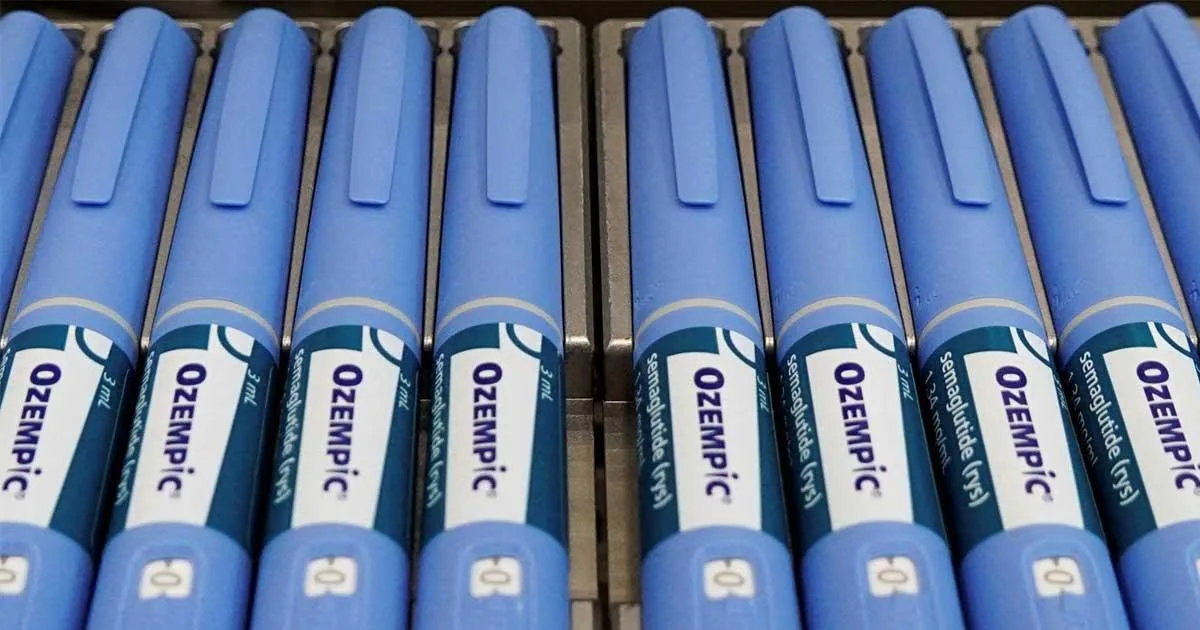
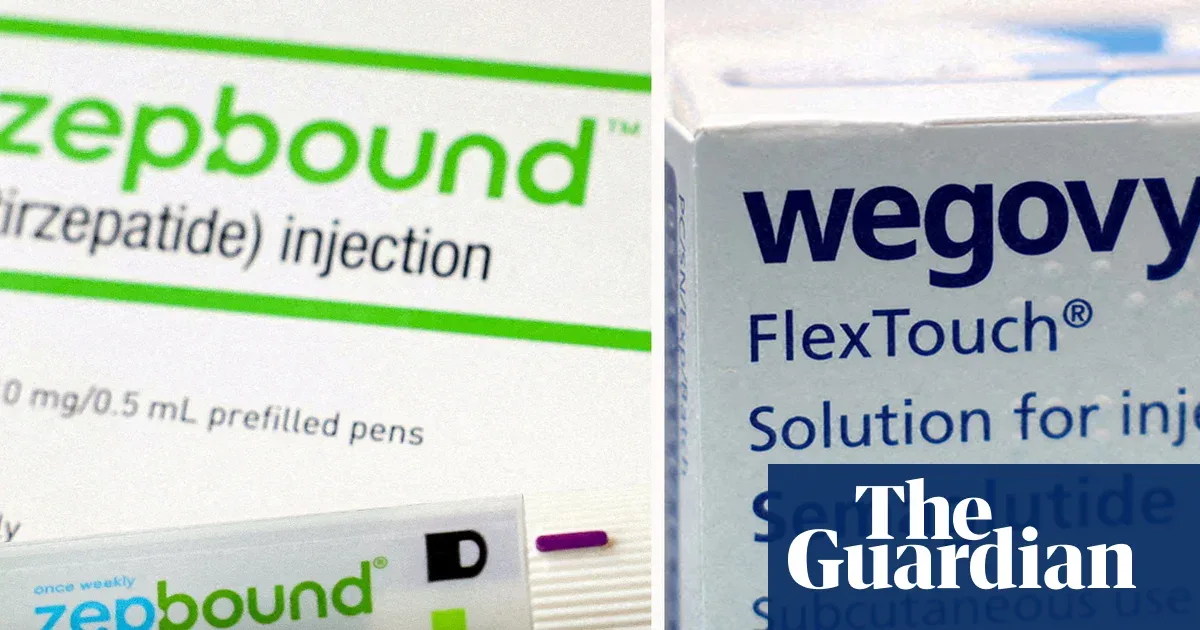
GLP-1 receptor agonists like semaglutide (Ozempic, Wegovy) and tirzepatide (Mounjaro, Zepbound) have revolutionized weight management and type 2 diabetes treatment, helping over 1.6 million adults in England, Wales, and Scotland between early 2024 and early 2025. These medications mimic gut hormones to curb appetite, slow gastric emptying, and improve blood sugar control. However, the Medicines and Healthcare products Regulatory Agency (MHRA) recently highlighted a small risk of severe acute pancreatitis following increased reports via the Yellow Card scheme.
While the risk remains rare—listed as 'uncommon' (about 1 in 100 patients) in patient leaflets—this update underscores the need for vigilance. For health-conscious individuals on GLP-1s or considering them, this comprehensive guide provides evidence-based insights into pancreatitis risks, symptoms, data analysis, and practical steps for safe use.
What Are GLP-1 Medications and How Do They Work?
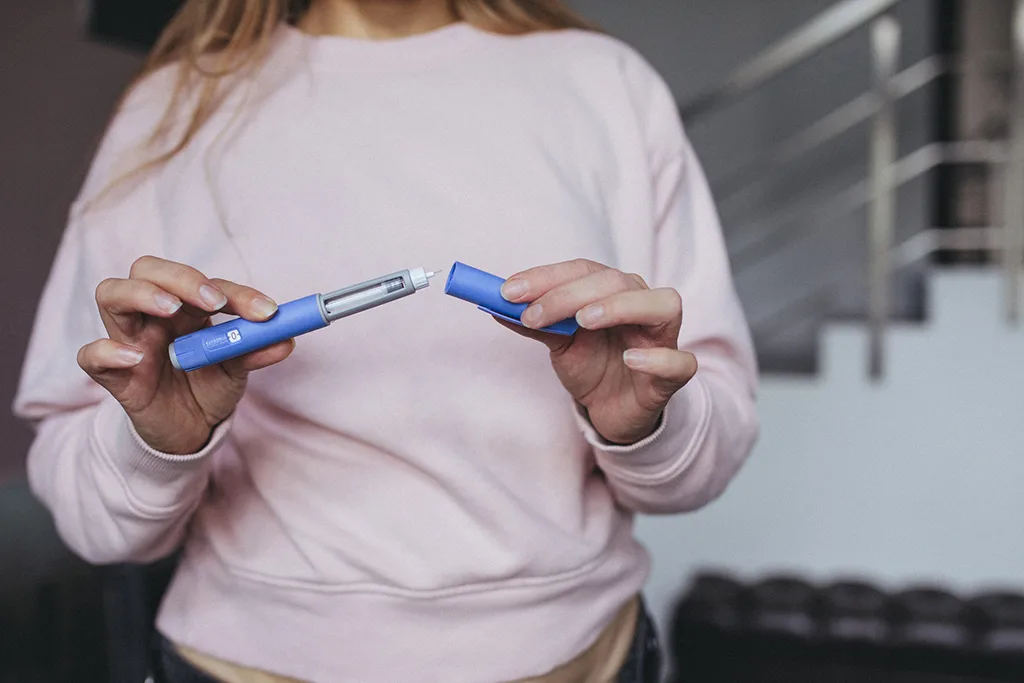
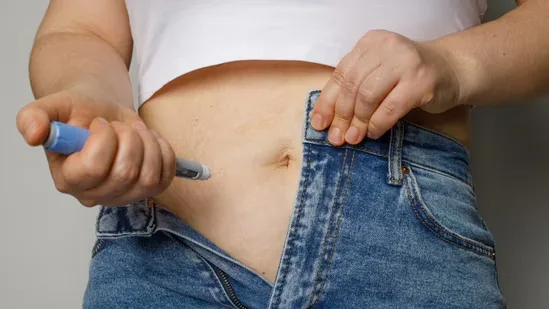
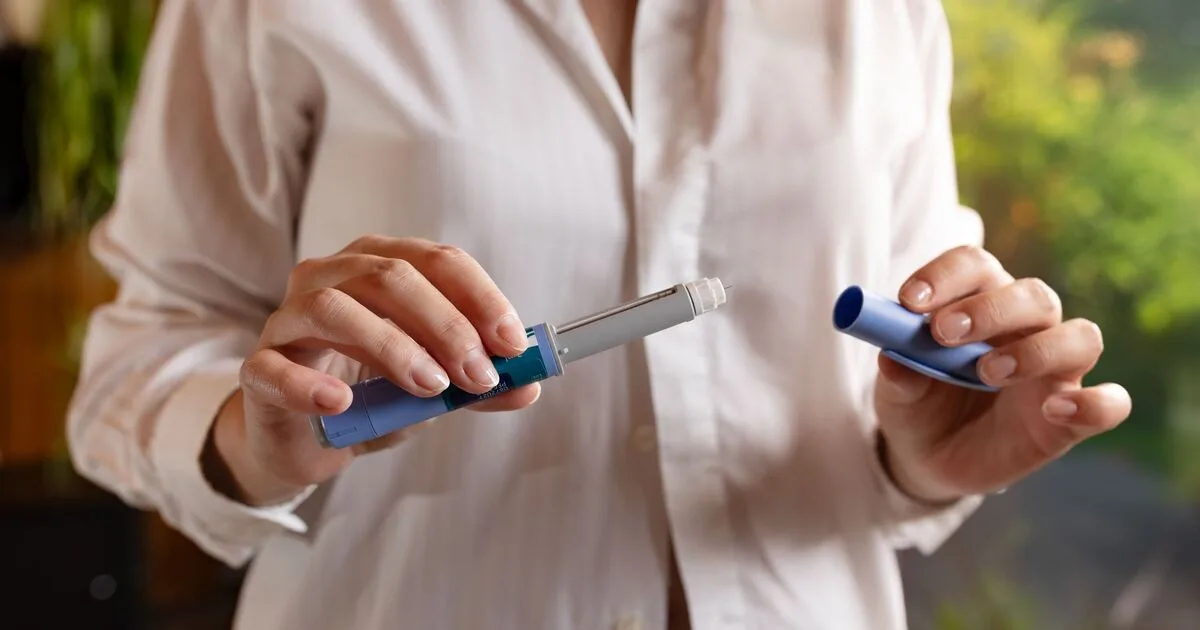
GLP-1 (glucagon-like peptide-1) agonists are injectable therapies that activate GLP-1 receptors in the gut, pancreas, and brain. Key examples include:
- Semaglutide: Ozempic (diabetes-focused, 0.25-2 mg weekly) and Wegovy (weight loss, up to 2.4 mg weekly).
- Tirzepatide: Mounjaro (diabetes) and Zepbound (weight loss), a dual GLP-1/GIP agonist (2.5-15 mg weekly).
- Others like liraglutide (Saxenda) and dulaglutide (Trulicity).
Clinically, they promote satiety, reduce caloric intake by 20-30%, and yield 15-20% body weight loss in trials like STEP (semaglutide) and SURMOUNT (tirzepatide). But their pancreatic effects—enhancing insulin secretion while suppressing glucagon—raise questions about inflammation risks.
Understanding Acute Pancreatitis: Mechanisms and Impacts
Acute pancreatitis is sudden inflammation of the pancreas, a digestive organ behind the stomach producing enzymes and hormones like insulin. Triggers include gallstones (40%), alcohol (30%), and medications (2-5%).
In GLP-1 users, the proposed mechanism involves exaggerated pancreatic stimulation, potentially leading to autodigestion by activated enzymes. Severity ranges from mild (self-resolving) to severe (organ failure, 15-20% mortality). Symptoms strike abruptly: severe epigastric pain radiating to the back, nausea, vomiting, fever, and tachycardia. Diagnosis uses blood amylase/lipase (>3x upper limit) and imaging (CT/ultrasound).
"Acute pancreatitis can escalate quickly, often requiring hospitalization for IV fluids, pain control, and nil-by-mouth management," notes MHRA Chief Safety Officer Dr. Alison Cave.
MHRA Yellow Card Data: Breaking Down the Reports
Key Statistics
By mid-2025, the Yellow Card scheme recorded 1,143 pancreatitis reports (acute/chronic) for semaglutide and tirzepatide, with 17 fatalities. Notably:
- 973 in 2025 alone: 807 tirzepatide, 166 semaglutide.
- Liraglutide: 146 reports.
- Dulaglutide: 61 reports.
Yellow Card is voluntary, so underreporting is likely, but the spike correlates with GLP-1 prescriptions surging post-2024 approvals. Crude incidence? With 1.6M users, it's ~0.07%—aligning with 'uncommon' labeling. However, tirzepatide's higher reports may reflect its potency or newer market entry.
Clinical Context from Trials
Pivotal trials showed low pancreatitis rates: STEP trials (semaglutide) had 0.1-0.2% events vs. 0.1% placebo; SURPASS/SURMOUNT (tirzepatide) similar at 0.1-0.3%. Post-marketing surveillance like MHRA's reveals real-world signals, emphasizing long-term monitoring.
Precision tracking for your journey
Join thousands using Shotlee to accurately track GLP-1 medications and side effects.
📱 Get the Shotlee App
Track your GLP-1 medications, peptides, and health metrics on the go with our mobile app!
Risk Factors: Who’s Most Vulnerable?
While rare overall, risks amplify with:
- History of pancreatitis/gallstones: Contraindicated or high caution.
- Alcohol use: Synergistic trigger.
- Rapid dose escalation: Avoid per guidelines.
- Genetic predispositions: MHRA's Yellow Card Biobank with Genomics England is probing this—e.g., CFTR/PRSS1 mutations.
- Obesity comorbidities: NAFLD links inflammation.
Patients with prior gallbladder issues (common in obesity) face compounded risks, as GLP-1s promote rapid weight loss and gallstone formation (2-5% incidence).
Recognizing Symptoms Early
Dr. Cave advises: "Seek help for severe, persistent stomach pain radiating to the back, with nausea/vomiting." Differentiate from common GI side effects (mild nausea in 20-40% users). Red flags:
- Pain unrelieved by antacids.
- Fever >38°C, hypotension.
- Jaundice (biliary cause).
Report via Yellow Card (yellowcard.mhra.gov.uk) to aid pharmacovigilance.
Managing and Preventing Pancreatitis on GLP-1s
Patient Strategies
- Start low, go slow on dosing.
- Hydrate well; avoid alcohol.
- Monitor with tools like Shotlee to track symptoms, side effects, and nutrition alongside meds.
- Annual labs: amylase/lipase if symptomatic.
Healthcare Guidance
Discontinue if pancreatitis suspected; restart only if mild and benefits outweigh risks. Alternatives: switch agents or non-GLP-1s like orlistat/SGLT2s.
Ongoing Research: Genetics and Beyond
The MHRA-Genomics England Biobank will sequence GLP-1 users' DNA to identify predictors, potentially enabling precision prescribing. Early data hints at polygenic risks; trials like SUMMIT explore biomarkers.
Manufacturers echo safety: Novo Nordisk stresses supervised use; Eli Lilly aligns similarly.
Safe GLP-1 Use: Lifestyle Integration
Maximize benefits by pairing with 150min/week exercise, protein-rich diet (1.2-1.6g/kg), and behavioral support. Tools like Shotlee help log progress, flagging issues early.
Conclusion
GLP-1s offer transformative benefits for metabolic health, with pancreatitis risk very small (<<1%) for most. MHRA's alert empowers informed use: know symptoms, report promptly, and consult providers. Benefits—diabetes remission, CVD risk reduction—far exceed rare harms when used appropriately. Discuss with your doctor for personalized advice.