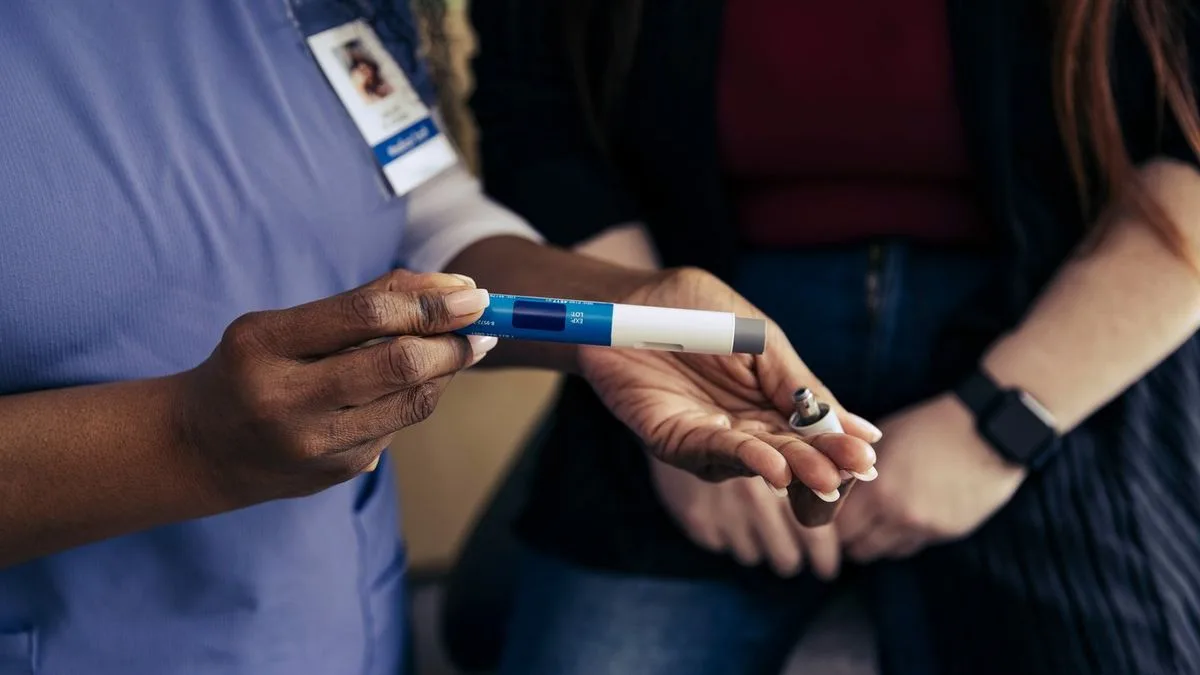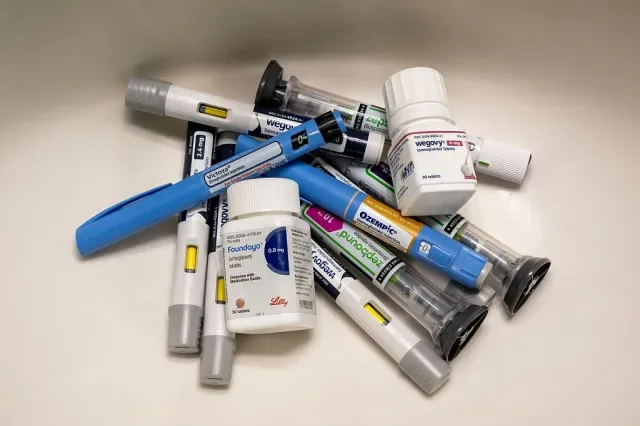

The landscape of weight management is undergoing a significant transformation, largely driven by the rapid rise and widespread adoption of GLP-1 receptor agonist medications. Drugs like semaglutide (known by brand names such as Ozempic and Wegovy) and tirzepatide (Mounjaro) have moved from primarily diabetes management to become prominent tools for weight loss, impacting everything from dietary habits to consumer spending. While these medications offer profound benefits for many, they also come with a spectrum of side effects. One particularly curious and commercially significant side effect is emerging: a condition colloquially dubbed 'Ozempic breath'. This phenomenon, linked to the physiological changes induced by these drugs, is creating an unlikely windfall for companies like The Hershey Company, demonstrating the complex and often surprising ripple effects of pharmaceutical innovation on the broader economy.
The Rise of GLP-1 Medications and Their Impact
Originally developed to manage type 2 diabetes by mimicking the action of the GLP-1 hormone, these medications have proven exceptionally effective in promoting weight loss. They work by slowing gastric emptying, increasing feelings of fullness, and reducing appetite. This dual benefit has led to their widespread use off-label for weight management, creating a surge in demand that has reshaped industries from food manufacturing to restaurant dining.
The popularity of these drugs, including Ozempic, Wegovy, and Mounjaro, means millions of individuals are now experiencing their effects. As more people turn to peptide therapy and other advanced weight loss solutions, the associated side effects are becoming more apparent and discussed. While common side effects like nausea and digestive discomfort are well-documented, the emergence of 'Ozempic breath' highlights a less anticipated consequence.
Understanding 'Ozempic Breath'
The term 'Ozempic breath' refers to a cluster of oral discomforts experienced by some individuals taking GLP-1 medications. The primary drivers behind this side effect are believed to be:
- Slower Gastric Emptying: GLP-1 drugs slow down the rate at which food leaves the stomach. This can lead to increased fermentation of undigested food in the stomach, potentially releasing sulfurous compounds that contribute to bad breath.
- Dry Mouth (Xerostomia): Many medications, including some GLP-1 agonists, can reduce saliva production. Saliva plays a crucial role in cleansing the mouth, neutralizing acids, and washing away food particles and bacteria. A dry mouth creates an environment where bacteria can thrive, leading to halitosis.
- Sulfur-Like Burps: A less pleasant, but directly related, symptom is the occurrence of burps with a sulfurous or rotten-egg smell. This is a direct result of the digestive slowdown and the gases produced during fermentation.
These symptoms collectively create an unpleasant oral experience, prompting users to seek immediate relief.
Hershey's Unexpected Windfall: Gum and Mints Take Center Stage
The surge in demand for products that can combat 'Ozempic breath' has created a significant, albeit unconventional, tailwind for confectionary companies. The Hershey Company, a titan in the snack and confectionery industry, has publicly acknowledged this trend. Hershey's CEO, Kirk Tanner, has spoken about how the rapid uptake of GLP-1 drugs is contributing to strong sales, particularly for their mint and chewing gum brands.
Tanner referred to these as 'functional snacking tailwinds,' indicating that consumers are reaching for these products not just for taste, but for a functional benefit – namely, to freshen their breath and alleviate oral discomfort. This marks a notable shift, where products traditionally viewed as treats are now serving a therapeutic purpose for a growing segment of the population.
Hershey's Ice Breakers brand, a prominent line of mints and gum, has been a direct beneficiary. The company reported an 8 percent jump in retail sales for Ice Breakers in the first quarter of the year, with CEO Tanner explicitly linking this growth to the increasing number of individuals using weight-loss drugs. This trend underscores how lifestyle changes, even those driven by medical interventions, can have far-reaching effects on consumer behavior and market dynamics.
Changing Consumer Indulgence Habits
The GLP-1 revolution has been associated with a general reduction in food consumption, leading some to predict a downturn for the food industry. However, the 'Ozempic breath' phenomenon illustrates a more nuanced reality: consumers are not necessarily abandoning treats altogether, but rather adapting their indulgence patterns. Instead of large meals or high-calorie snacks, individuals may be opting for smaller, more controlled treats or, in this case, products that address a side effect while providing a brief sensory pleasure.
Precision tracking for your journey
Join thousands using Shotlee to accurately track GLP-1 medications and side effects.
📱 Get the Shotlee App
Track your GLP-1 medications, peptides, and health metrics on the go with our mobile app!
Hershey's strategy appears to be capitalizing on this by positioning its products as solutions. Tanner emphasized that candy remains an 'emotional category' and that consumers still turn to these items, albeit in smaller portions. "It is a treat, not a meal," he stated, suggesting that the core appeal of confectionery endures, even as overall appetite changes. This perspective helps explain why Hershey's chocolate sales have remained robust despite the widespread use of appetite-suppressing drugs.
Beyond Breath: Other Consumer Shifts
The impact of GLP-1 medications extends beyond oral care. The emphasis on preserving muscle mass while losing weight has also led to increased demand for protein-rich foods. Hershey has noted a significant 17 percent surge in the consumption of its protein bars, aligning with the dietary recommendations for individuals undergoing weight loss with these medications. This indicates a broader dietary recalibration among users, favoring nutrient-dense options.
The online reaction to this trend has been a mix of amusement, skepticism, and concern. Many users on social media platforms like X have humorously commented on the paradox of drugs suppressing appetite for food while simultaneously creating a market for mints and gum. Phrases like "Big Pharma accidentally saved Big Gum" and observations about "vertical integration" (inventing a drug, creating a side effect, selling the solution) capture the public's attention. However, others have voiced more serious concerns, acknowledging that bad breath might be a minor issue compared to other potential side effects of these powerful medications.
Navigating Health Tracking and Pharmaceutical Trends
For individuals managing their health with GLP-1 medications, whether for diabetes or weight loss, diligent tracking of symptoms, doses, and overall well-being is crucial. Tools that help monitor these aspects can provide valuable insights for both the patient and their healthcare provider. Understanding how lifestyle changes and medication side effects intersect, as seen with 'Ozempic breath,' is part of a holistic approach to health management.
For those using semaglutide, tirzepatide, or other peptide therapies, maintaining a detailed health log can be instrumental. This might include:
- Symptom Journal: Documenting the occurrence and severity of side effects like dry mouth, digestive issues, or breath concerns.
- Dosage Schedule: Keeping accurate records of when medication is taken.
- Dietary Intake: Noting food consumption patterns, especially shifts towards higher-protein or smaller meals.
- Hydration Levels: Monitoring fluid intake, which is vital for managing dry mouth.
- Oral Care Routine: Tracking the frequency and effectiveness of breath-freshening products.
Platforms like Shotlee can be invaluable for consolidating this information, providing a clear overview of progress and potential issues. By centralizing data, users can better identify correlations between their medication, diet, and experienced side effects, facilitating more informed conversations with their doctors.
A Table of GLP-1 Drug Examples and Their Primary Uses
The GLP-1 class of drugs has expanded significantly, offering various options for patients. Here's a brief overview:
| Brand Name | Generic Name | Primary Approved Uses | Common Off-Label Use |
|---|---|---|---|
| Ozempic | Semaglutide | Type 2 Diabetes | Weight Loss |
| Wegovy | Semaglutide | Weight Management | (Already approved for weight management) |
| Mounjaro | Tirzepatide | Type 2 Diabetes | Weight Loss |
| Victoza | Liraglutide | Type 2 Diabetes | Weight Loss (Saxenda is the weight loss indication) |
Conclusion
The emergence of 'Ozempic breath' is a fascinating case study in how pharmaceutical advancements can create unexpected economic shifts. While GLP-1 medications continue to revolutionize diabetes care and weight management, their side effects are prompting novel consumer behaviors and creating new market opportunities. For Hershey, this trend has turned a potential challenge into a significant advantage, boosting sales of its mints and gum. As the popularity of these drugs grows, it's likely we'll see further adaptations and innovations across various consumer sectors, all influenced by the profound impact of these powerful medications on daily life and health.