Introduction
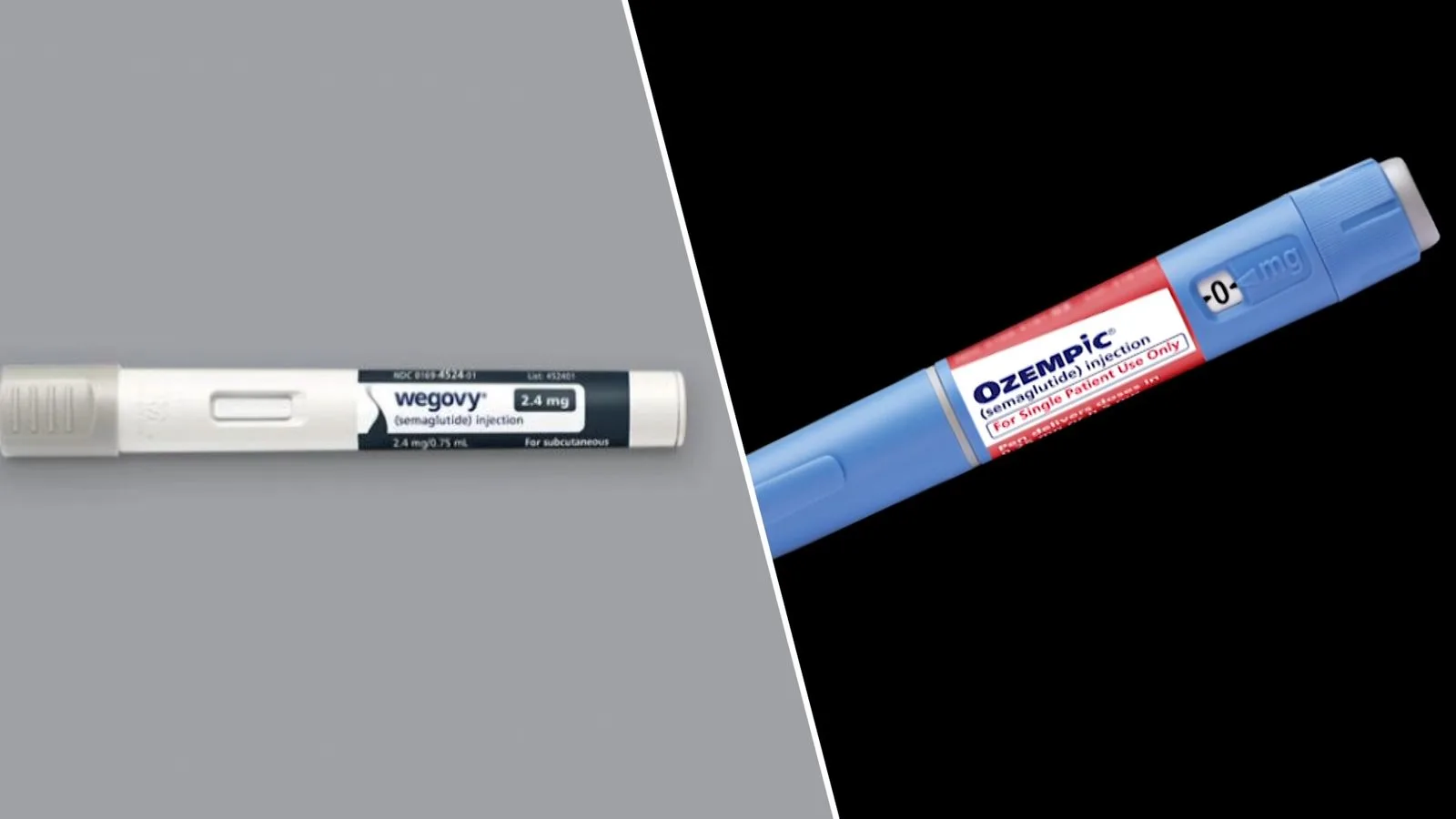
The meteoric rise of GLP-1 receptor agonists—medications like semaglutide (Ozempic, Wegovy) and tirzepatide (Mounjaro, Zepbound)—has revolutionized obesity and type 2 diabetes management. These injectable drugs mimic gut hormones to curb appetite, slow gastric emptying, and promote substantial weight loss, often 15-20% of body weight in clinical trials like STEP and SURMOUNT. Yet, their popularity has a dark side: a sharp increase in accidental overdoses, particularly among children accessing unsecured pens or vials.
Recent data from America's Poison Centers reveals a nearly 1,500% surge in calls related to injectable weight loss drugs since 2019, totaling about 23,000 nationwide through 2025. In Indiana alone, calls doubled from 153 in 2024 to 320 in 2025. These incidents highlight the need for vigilance. This guide provides clinical context, analyzes overdose mechanisms, reviews real cases, and offers evidence-based prevention for patients on GLP-1 therapy.
What Are GLP-1 Medications and How Do They Work?
GLP-1s target the glucagon-like peptide-1 receptor, enhancing insulin secretion, inhibiting glucagon, and signaling satiety to the brain. Tirzepatide, a dual GLP-1/GIP agonist, adds glucose-dependent insulinotropic polypeptide effects for even greater efficacy, as shown in the SURPASS trials where it outperformed semaglutide in A1C reduction and weight loss.
Delivered via weekly subcutaneous injections, dosing starts low (e.g., 0.25 mg semaglutide) to minimize gastrointestinal side effects like nausea, which affect 20-40% of users. Overdose amplifies these effects exponentially due to dose-dependent receptor activation.
A Real-World Case: Jessa Milender's Mounjaro Overdose
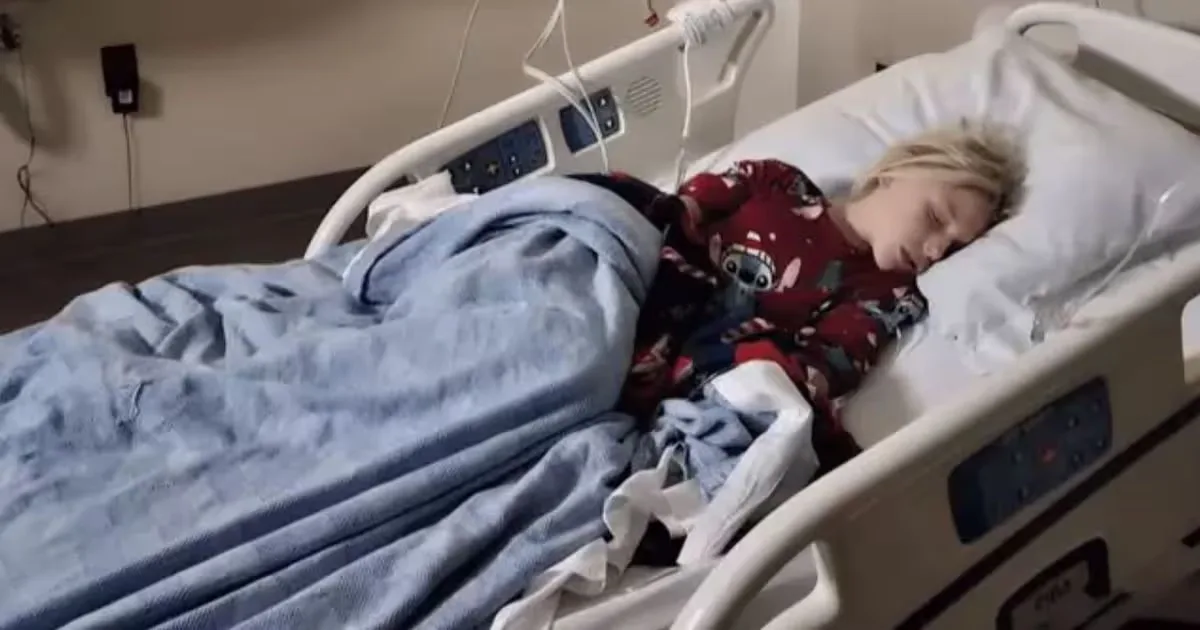
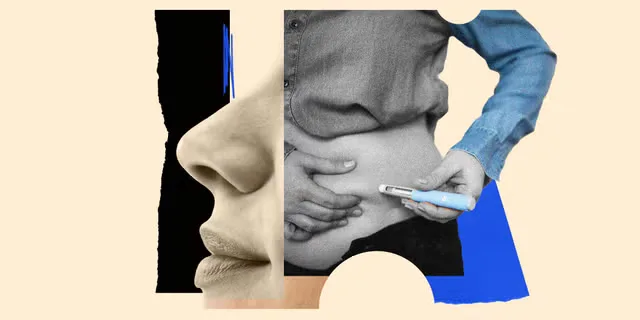
In December 2024, 7-year-old Jessa Milender injected her mother's Mounjaro (tirzepatide) into her stomach, sparking a medical nightmare. Hours later, severe vomiting began—up to 15 episodes daily—preventing hydration and risking kidney failure from dehydration. Hospitalized twice, she received IV fluids and antiemetics, recovering fully by discharge on December 23.
"She couldn't walk from exhaustion and severe pain," her mother Melissa told WTHR. "She'd scream out in pain in her sleep."
This case, detailed in medical records, exemplifies pediatric GLP-1 exposure: rapid-onset nausea, protracted vomiting, and abdominal hypersensitivity from hyperstimulated gut motility suppression.
Clinical Timeline of Jessa's Symptoms
- Hours post-injection: Vomiting, inability to retain water.
- Day 2: Hospital admission for IV rehydration.
- Day 3-5: Recurrent vomiting, acute kidney injury risk.
- Resolution: Symptoms abated with supportive care; full recovery in weeks.
The Alarming Rise in GLP-1 Poison Control Calls
America's Poison Centers tracks exposures via NPDS data. From 2019-2025, GLP-1 calls exploded from minimal numbers to 23,000+, driven by prescription growth—U.S. GLP-1 users hit 15 million by 2025. Most involve adults self-overdosing (e.g., double-dosing), but pediatric cases, though rarer, are severe due to lower body weight amplifying drug effects.
Indiana Poison Center data mirrors this: 153 calls in 2024 vs. 320 in 2025. Nationally, counterfeit pens laced with insulin or other agents add risks, per FDA alerts.
Demographics of Exposures
- Adults (70-80%): Intentional extra doses for faster weight loss.
- Children (<6 years, 10-20%): Accidental injection, mistaking for toys.
- Symptom severity: 80% gastrointestinal; rare pancreatitis or hypoglycemia.
What Happens Physiologically in a GLP-1 Overdose?
Normal therapeutic doses cause mild nausea via delayed gastric emptying and central satiety. Overdose (e.g., full adult pen in a child: 2.5-15 mg tirzepatide) triggers:
Precision tracking for your journey
Join thousands using Shotlee to accurately track GLP-1 medications and side effects.
📱 Get the Shotlee App
Track your GLP-1 medications, peptides, and health metrics on the go with our mobile app!
- Severe nausea/vomiting: 90% of cases; due to chemoreceptor trigger zone activation.
- Dehydration/electrolyte imbalance: Leads to acute kidney injury (elevated creatinine).
- Abdominal pain: Gastroparesis-like ileus.
- Rare severe effects: Pancreatitis (elevated lipase), hypoglycemia if combined with other meds.
In pediatrics, lower volume of distribution heightens exposure. A 20-kg child receiving 5 mg semaglutide equates to 20x adult equivalent dose/kg.
Managing Overdose: Evidence-Based Protocols
No antidote exists; treatment is supportive:
- First-line: Call poison control (1-800-222-1222); monitor vitals.
- Symptomatic: Antiemetics (ondansetron), IV fluids.
- Hospitalization criteria: Persistent vomiting >12 hours, dehydration signs.
Outcomes are excellent with prompt care; mortality is near-zero.
Unique Risks to Children from GLP-1 Exposure
Children's curiosity draws them to sleek auto-injectors resembling toys. Small size exacerbates toxicity: even 0.25 mg can cause hours of distress. Long half-life (semaglutide ~1 week) prolongs symptoms, as in Jessa's multi-day ordeal.
Compounding risks: rising off-label use, telehealth prescriptions, and GLP-1 shortages pushing compounded versions with inconsistent dosing.
Prevention Strategies for GLP-1 Safety
Experts from poison centers and endocrinology societies emphasize:
- Secure storage: Lockboxes for pens; Melissa Milender now uses one.
- Dosing adherence: Follow titration schedules; apps or tools like Shotlee track doses, symptoms, and nutrition.
- Source verification: FDA-approved pharmacies only; avoid counterfeits.
- Education: Teach family risks; dispose needles safely.
- Accessibility future: Oral semaglutide (Rybelsus) or lower-dose pens may reduce injection mishaps.
What to Do If Accidental Exposure Occurs
Act fast:
- Call poison control immediately—don't wait for symptoms.
- Provide details: drug name, dose, time, child weight.
- Monitor for vomiting; seek ER if severe.
- Follow up: Track recovery; consider Shotlee for symptom logging.
Most resolve outpatient, but vigilance prevents escalation.
Conclusion
GLP-1s offer transformative benefits for metabolic health, but surging overdoses—especially in kids—demand responsibility. From Jessa's story to national stats, the message is clear: secure your meds, adhere to doses, and educate your circle. By prioritizing safety, patients can harness these drugs' power without peril. Consult your provider for personalized advice, and use resources like poison control for peace of mind.