
Introduction
GLP-1 receptor agonists and dual GLP-1/GIP agonists like semaglutide (Ozempic, Wegovy) and tirzepatide (Mounjaro, Zepbound) have transformed metabolic health, aiding millions in managing type 2 diabetes and obesity. By late 2025, these drugs accounted for more than 7% of all U.S. prescriptions, per Truveta Research data—a testament to their efficacy in promoting sustained weight loss and glycemic control. Yet, rapid adoption brings challenges: safety risks, counterfeit threats, and evolving research. This guide distills the latest 2025 updates, providing clinical context, patient advice, and evidence-based insights to empower your journey.
Tirzepatide Safety Warning: Never Share KwikPens
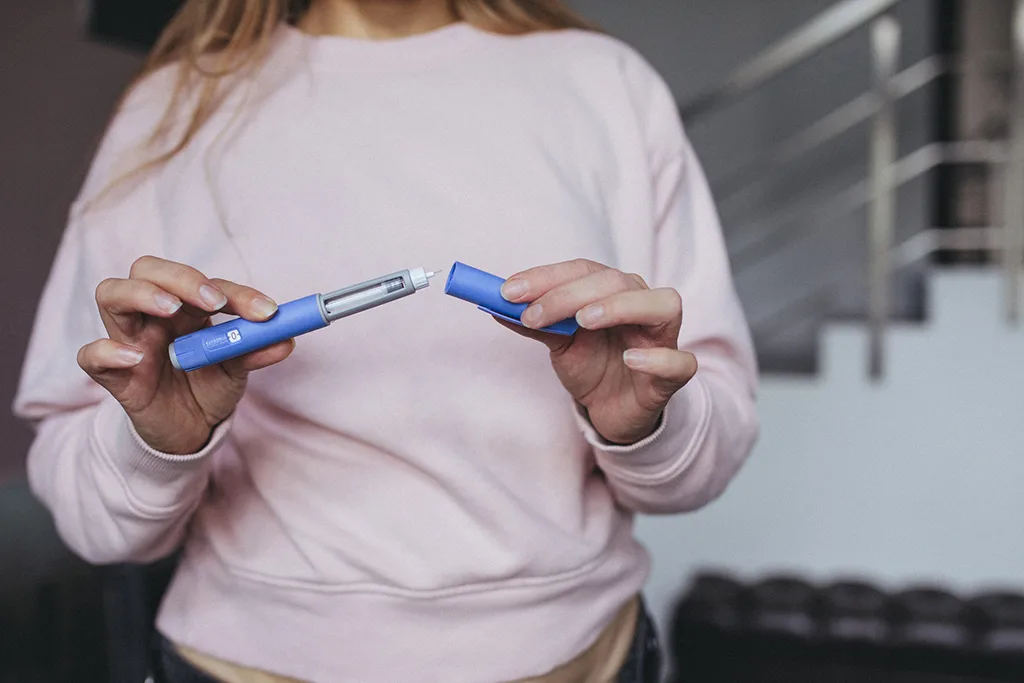
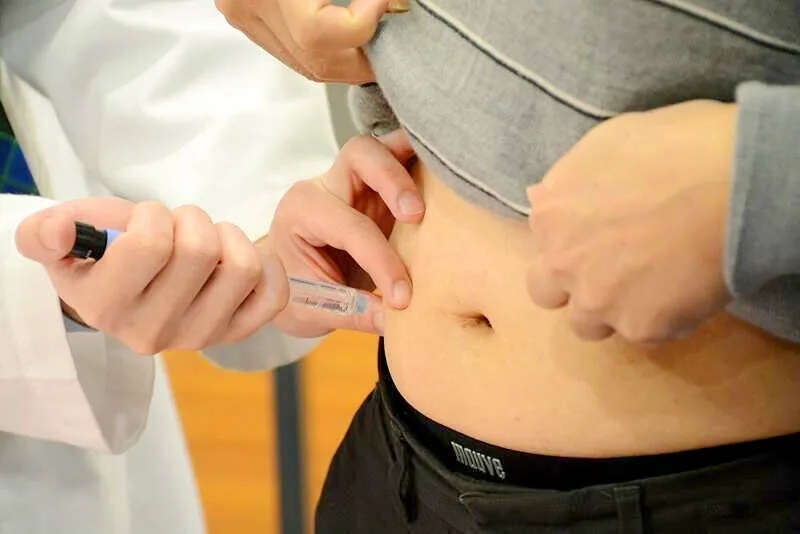
The FDA recently updated labels for tirzepatide (Mounjaro and Zepbound) with a critical alert: never share KwikPens. These pre-filled pens, designed for weekly subcutaneous injections, carry a risk of transmitting blood-borne pathogens like hepatitis or HIV if shared, even if the needle is changed.
Why This Matters Clinically
Tirzepatide's mechanism mimics GLP-1 and GIP hormones, slowing gastric emptying, enhancing satiety, and improving insulin sensitivity—leading to 15-22% average weight loss in trials like SURMOUNT-1. But KwikPens contain residual medication and potential contaminants from prior use. The update stems from post-marketing surveillance, echoing similar warnings for semaglutide pens.
"Sharing injection devices compromises patient safety and undermines the sterile delivery essential for these peptides." – FDA Label Update
Patient Tips
- Always use a new pen per prescription; discard after use.
- Store at 36-46°F (2-8°C) refrigerated; room temperature for up to 21 days.
- Track dosing with apps like Shotlee to log injections, symptoms, and side effects accurately.
For families or multi-patient households, consult your provider about single-dose vials or alternative delivery to avoid accidental sharing.
Counterfeit GLP-1 Crisis: Nurse Charged in Chicago
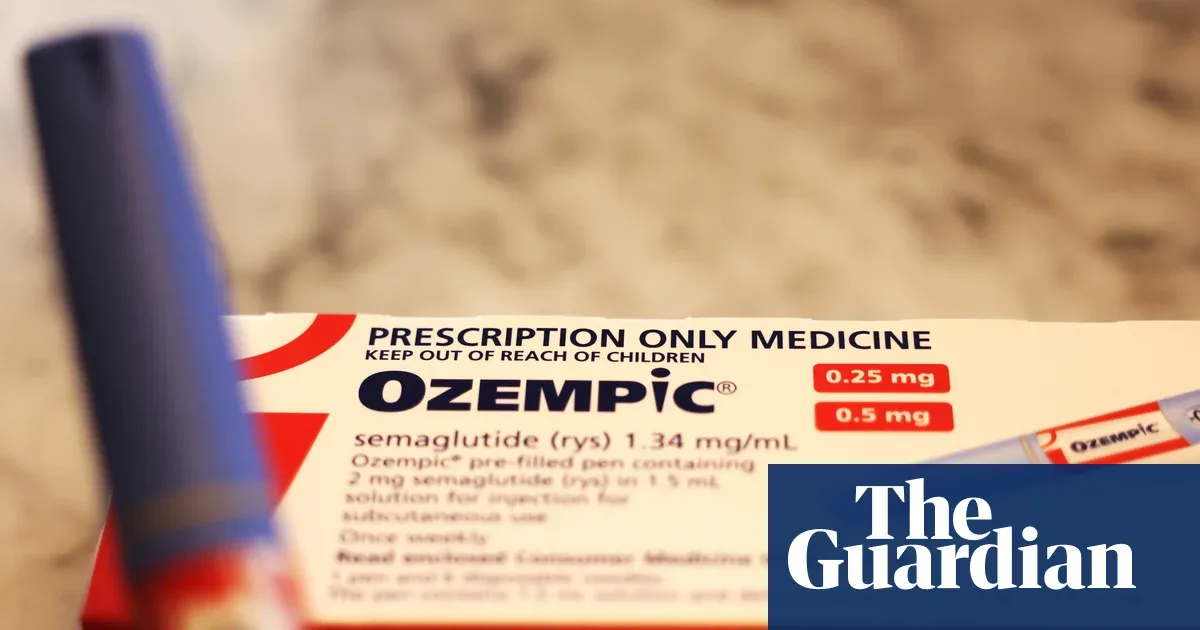
In a stark reminder of supply shortages' dark side, a Chicago registered nurse faces charges for distributing counterfeit semaglutide mimicking Ozempic. Patients received fake injections, risking inefficacy, contamination, or toxicity. This incident, reported by CBS News, highlights a growing black market amid GLP-1 demand.
Risks of Fake GLP-1s
Authentic semaglutide is a peptide chain produced under GMP standards, with precise dosing (0.25-2.4 mg weekly). Counterfeits may contain salt forms, impurities, or unrelated compounds, leading to nausea, hypoglycemia, or no benefits. The FDA has seized thousands of fake units; verify via pharmacy sourcing and Novo Nordisk holograms.
- Red flags: Unusually low prices, non-pharmacy sources, rapid symptom changes.
- Solution: Use legitimate telehealth with e-prescriptions; monitor progress with tools like Shotlee for nutrition and side effect tracking.
Shortages have eased, but vigilance remains key—report suspicions to FDA MedWatch.
GLP-1 Boom: 7% of U.S. Prescriptions and Broader Impacts
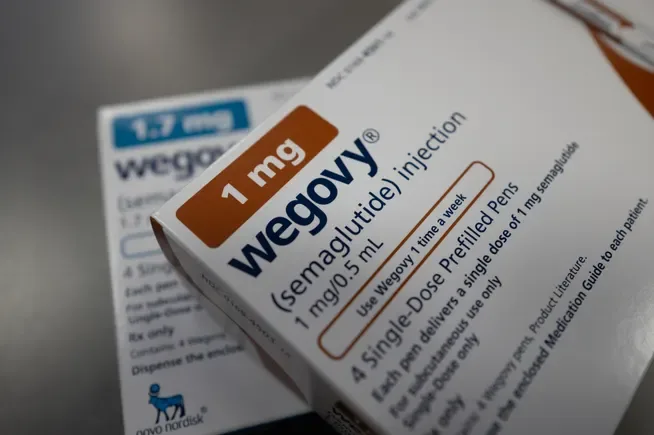
Truveta's 2025 data shows GLP-1s dominating scripts, driven by expanded indications for obesity (Wegovy, Zepbound). Average weight loss: 15% for semaglutide, 21% for tirzepatide per STEP/SURMOUNT trials.
Precision tracking for your journey
Join thousands using Shotlee to accurately track GLP-1 medications and side effects.
📱 Get the Shotlee App
Track your GLP-1 medications, peptides, and health metrics on the go with our mobile app!
Fun Fact: Airlines' Fuel Savings?
CBS News speculated GLP-1s could cut airline fuel costs as slimmer Americans reduce plane weight. A 10-lb average loss per passenger might save millions—illustrating population-level metabolic shifts. Clinically, this underscores GLP-1s' role in cardiometabolic health, reducing BMI-related risks like hypertension.
Emerging Research: Next-Gen GLP-1 Drugs and Beyond
Roche's CT-388: 22.5% Weight Loss Without Plateau
Roche's investigational dual GLP-1/GIP agonist CT-388 achieved 22.5% weight loss at week 48 in phase II, without plateauing. Unlike tirzepatide's ~20% at 72 weeks, this suggests prolonged efficacy. Dual agonism targets complementary pathways: GLP-1 for appetite suppression, GIP for fat metabolism. Phase III trials loom, potentially rivaling Zepbound.
Mendelian Randomization: BMI, Blood Pressure, and Dementia Risk
A Journal of Clinical Endocrinology & Metabolism study used genetic variants to causally link high BMI to vascular dementia, mediated by hypertension. GLP-1s' BP-lowering effects (5-10 mmHg systolic drop) could mitigate this. For patients, combine meds with lifestyle: 150 min/week exercise amplifies benefits.
Gene Therapy Horizons
The Washington Post spotlighted gene therapies editing GLP-1 pathways for diabetes/obesity. Early preclinical data shows promise, but years from clinic—stick to proven peptides for now.
Related Metabolic Updates
Afrezza Inhaled Insulin Dosing Revision
MannKind updated Afrezza's label for switches from injectable insulin: start with 0.8 units/kg mealtime dose, titrate carefully. Useful adjunct for GLP-1 users with postprandial spikes; rapid onset (12-15 min) complements weekly injections.
Pregnancy Consensus: CGM and AID
diaTribe's Lancet statement endorses continuous glucose monitoring (CGM) and automated insulin delivery (AID) in pregnancy for type 1/2/GDM. GLP-1s are contraindicated in pregnancy; transition planning is vital.
Other Notes
- UK Biobank: Menopause links to gray matter loss, mental health dips—HRT neutral. GLP-1s may indirectly help via weight control.
- Virtual assistants improved T2D control in elderly (JAMA Network Open)—tech aids adherence.
Conclusion: Staying Safe and Optimized on GLP-1s
2025's GLP-1 landscape blends triumphs (prescription surge, new drugs) with cautions (sharing bans, fakes). Key takeaways: Source meds legitimately, never share pens, track with tools like Shotlee, and pair with diet/exercise. Consult providers for personalized dosing—semaglutide 2.4 mg or tirzepatide 15 mg yields best results long-term. These therapies aren't quick fixes but powerful tools for metabolic health when used wisely.