Introduction
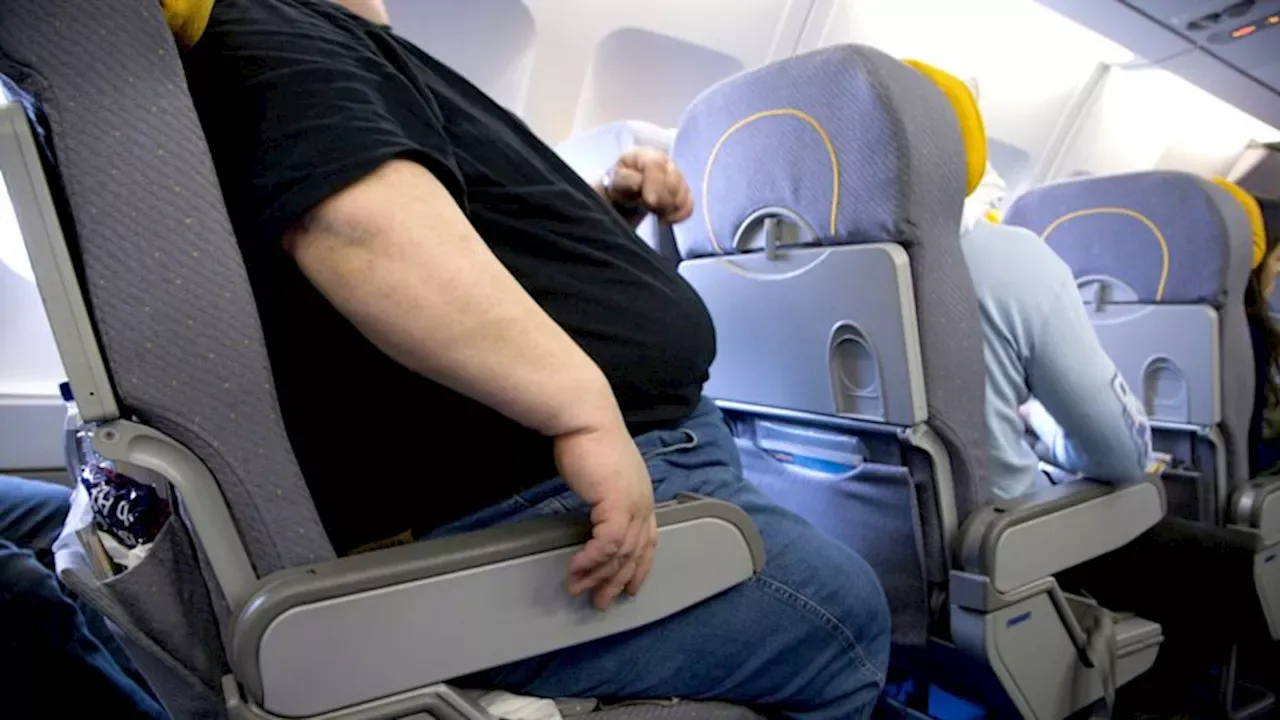
Imagine boarding a flight where lighter passengers mean lower ticket prices or greener skies. That's the provocative idea from Wall Street analysts at Jefferies, who argue that the surge in GLP-1 medications like Ozempic, Wegovy, Mounjaro, and Zepbound could inadvertently benefit airlines through reduced fuel consumption. As U.S. adult obesity rates dip from 40% in 2022 to 37% today, fueled by these drugs, the ripple effects extend far beyond individual waistlines.
But for patients and health enthusiasts, this story highlights something bigger: the profound, evidence-based power of GLP-1 agonists in metabolic health. This guide unpacks the science, clinical data, societal shifts, and practical advice to help you navigate GLP-1 therapy effectively.
What Are GLP-1 Medications and How Do They Drive Weight Loss?
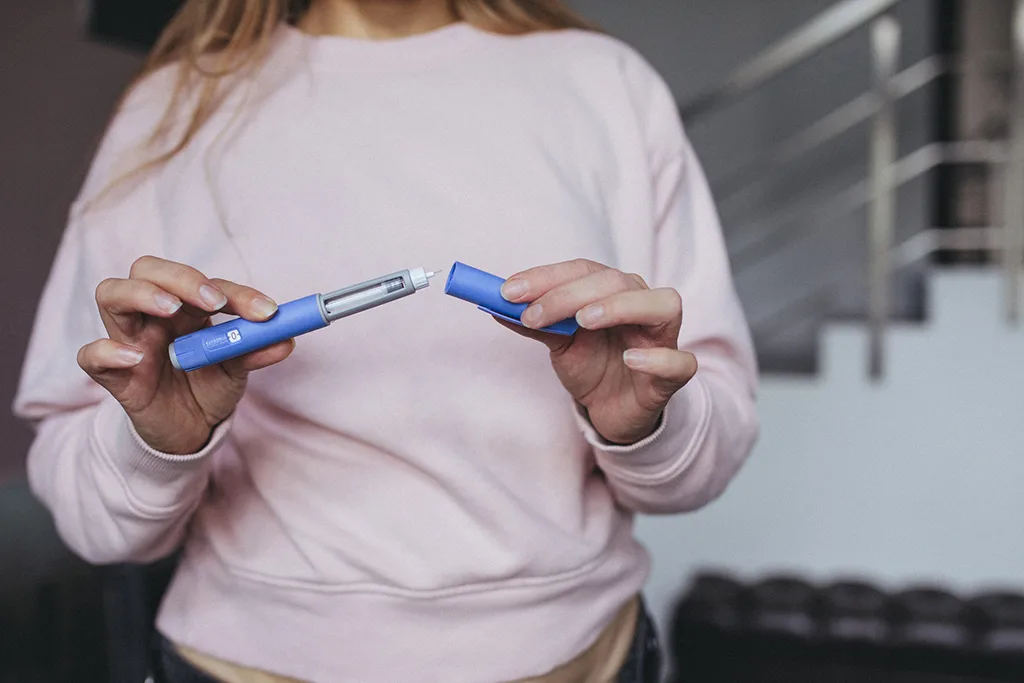
GLP-1 (glucagon-like peptide-1) receptor agonists mimic a gut hormone that regulates appetite, blood sugar, and insulin. Originally developed for type 2 diabetes, drugs like semaglutide (Ozempic for diabetes, Wegovy for weight loss) and tirzepatide (Mounjaro for diabetes, Zepbound for weight loss) have revolutionized obesity treatment by targeting the brain's hunger centers.
The Science of Satiety
These injectables slow gastric emptying, signal fullness to the hypothalamus, and reduce glucagon secretion. Clinical trials show remarkable results: In the STEP trials for Wegovy, patients lost 15-17% of body weight over 68 weeks, compared to 2-3% on placebo. Tirzepatide in SURMOUNT trials achieved up to 22.5% loss, outperforming semaglutide due to its dual GLP-1/GIP action.
"A slimmer society = lower fuel consumption," notes Jefferies analyst Sheila Kahyaoglu, tying pharmacology to economics.
Usage has exploded: From 5.8% of U.S. adults in early 2024 to 12.4% now, with oral forms like Rybelsus expanding access.
The Airline Fuel Savings Hypothesis: Crunching the Numbers
Jefferies' analysis spotlights a Boeing 737 MAX 8 with 178 passengers at an average pre-GLP-1 weight of 180 pounds each. Post-weight loss trends, that's 178 pounds per person—a 2% total aircraft weight reduction (including baggage scaling). Aviation rule of thumb: 1% weight savings yields 0.75% fuel efficiency gain.
- Fuel context: 20-30% of airline costs, directly impacting fares.
- Projections: 10% slimmer U.S. society = 1.5% fuel savings, boosting earnings per share (EPS) by 3.9% for majors like Delta, United, American, and Southwest.
- Honeywell data: Every 450 grams saved across plane = ~$10,000 in annual fuel costs.
Experts like Peter Harbison of CAPA note marginal short-term impact amid variables like baggage and crew, but 1% cost savings matter at scale. Swinburne's Salim Hijazeen agrees it's minor but real for fuel optimization.
Real-World Obesity Trends
CDC data confirms the shift: Obesity fell as GLP-1 prescriptions rose 300% since 2021. If sustained, broader adoption—especially pills—could amplify this, reshaping population averages.
Precision tracking for your journey
Join thousands using Shotlee to accurately track GLP-1 medications and side effects.
📱 Get the Shotlee App
Track your GLP-1 medications, peptides, and health metrics on the go with our mobile app!
Beyond Airlines: Broader Societal and Health Impacts
While airlines cheer potential tailwinds, GLP-1s address a $1.7 trillion global obesity cost (WHO estimates). Reduced BMI correlates with lower heart disease, diabetes, and joint issues risks.
Clinical Weight Loss Expectations
| Drug | Indication | Avg. Weight Loss (%) | Key Trial |
|---|---|---|---|
| Ozempic (semaglutide 0.5-2mg weekly) | Diabetes | 10-15% | SUSTAIN |
| Wegovy (semaglutide 2.4mg weekly) | Weight management | 15-17% | STEP 1-5 |
| Mounjaro/Zepbound (tirzepatide 5-15mg weekly) | Diabetes/Weight | 15-22.5% | SURPASS/SURMOUNT |
Dosing starts low to minimize nausea, titrating up over months. Long-term data (SELECT trial) shows 10% loss sustained at 4 years, slashing cardiovascular events by 20%.
Managing Side Effects and Maximizing Benefits
Common issues: GI upset (nausea 44%, diarrhea 30% in trials). Strategies include:
- Slow titration: Weekly increases prevent peaks.
- Nutrition: High-protein, fiber-rich diets enhance satiety.
- Tracking tools: Apps like Shotlee help monitor symptoms, side effects, and nutrition alongside GLP-1 use for personalized insights.
Muscle preservation is key—combine with resistance training (NEJM studies show 40% loss as lean mass without exercise). Hydration and electrolytes counter dehydration risks.
Lifestyle Synergy
GLP-1s aren't magic: 60% efficacy ties to diet/exercise. Mediterranean patterns amplify loss by 5-10%. Post-discontinuation, 2/3 regain weight without habits—emphasizing sustainability.
Challenges and Future Outlook
Supply shortages, costs ($1,000+/month sans insurance), and off-label use spark debates. Emerging: Oral semaglutide (Rybelsus) and multi-agonists like retatrutide (25%+ loss in phase 2).
Societally, a slimmer population could cut healthcare spends by billions while greening aviation (aviation = 2-3% global CO2). Yet, experts urge focus on health over hypotheticals.
Conclusion
GLP-1 drugs like Ozempic and Mounjaro are reshaping bodies, boosting airline EPS via lighter loads, and promising metabolic wins. For patients, success lies in science-backed use: Expect 15-20% loss with titration, lifestyle, and monitoring (consider Shotlee for symptom tracking). Consult providers for personalized plans—this revolution prioritizes your health first.