
Kayla Harrison, originally from Newtown, opened Nourish'd in Stamford last year to offer healthy food options for those pursuing better lifestyle choices.
The shop stocks high-protein ramen cups, cereals, muffins, prepared meals, and other nutritious alternatives.
Protein Prioritization with GLP-1 Medications
"Regardless of trends or medications, proper nutrition, adequate protein, and truly balanced meals are essential to good health," Harrison said.
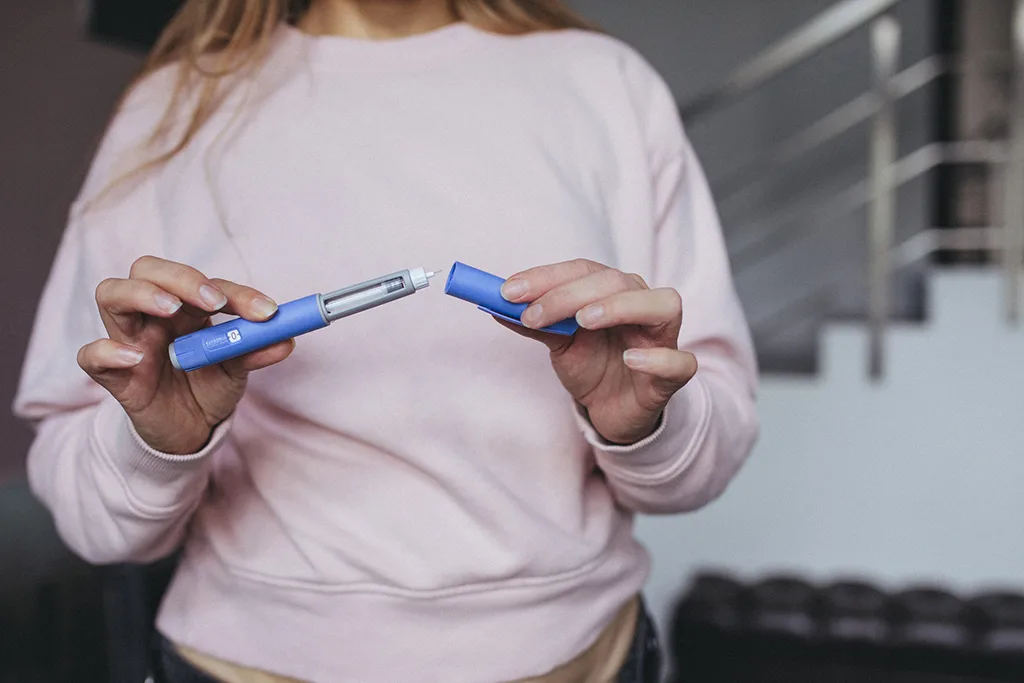
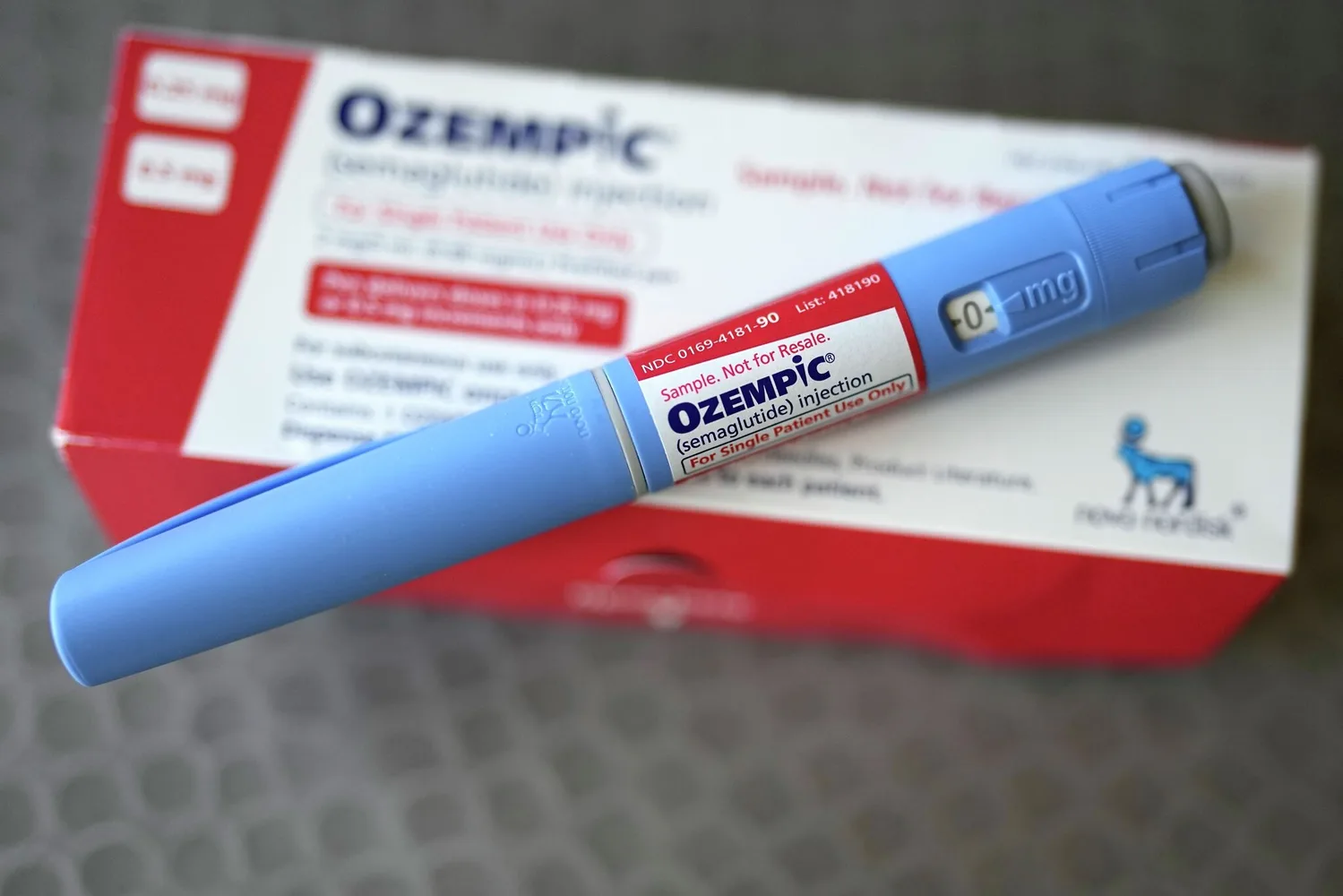
Her diverse customers include those on GLP-1 medications like Wegovy or Ozempic. Harrison emphasizes monitoring protein intake to address muscle mass loss during weight loss.
"I have had people who have come in and mentioned that they are on a GLP-1 and they are looking for ways to get more protein into their diet," Harrison said. "Regardless of if someone is on a GLP-1, or an athlete or a busy mom, everyone needs to be prioritizing protein and making sure that they're maintaining healthy muscle mass, because as you age, your bone density decreases."
Nourish'd's success reflects broader shifts in Connecticut eating habits, fueled by rising GLP-1 use. Major brands like Nestle now offer protein-rich snacks and websites for healthy eating on these medications. Dunkin' introduced protein milk and "Megan's Mango Protein Refresher."
Survey Data on GLP-1 Adoption
- A Kaiser Family Fund survey from November found 12% of Americans (1 in 8) currently take a GLP-1, with 18% (1 in 5) having tried one.
- Morgan Stanley Research analysis confirms this segment influences the food industry significantly.
"The food, beverage and restaurant industries could see softer demand, particularly for unhealthier foods and high-fat, sweet and salty options," said Pamela Kaufman, Morgan Stanley's tobacco and packaged food analyst.
Restaurant Industry Adaptations
Bill Pustari, owner of New Haven's Modern Apizza, reports customers on GLP-1s experiencing reduced taste buds and appetite for flavors. While his destination spot remains unaffected, others adapt.
"For us as an industry, we're just trying to talk to our members and educate them that this is a reality... You're seeing restaurants that are offering smaller portion options. You're also seeing a lot of protein-specific things that are out there," said Scott Dolch, head of the Connecticut Restaurant Association.
Expert Background on GLP-1 Medications
Ziyad Al-Aly, chief of research and development at the V.A. St. Louis health-care system and clinical epidemiologist at Washington University School of Medicine, has studied GLP-1 medications.
"They've actually been around for about 20 years, initially developed as anti-hyperglycemic or anti-diabetes medications," he said.
Precision tracking for your journey
Join thousands using Shotlee to accurately track GLP-1 medications and side effects.
📱 Get the Shotlee App
Track your GLP-1 medications, peptides, and health metrics on the go with our mobile app!
Originally for better sugar metabolism and insulin regulation, doctors observed substantial weight loss in diabetes patients.
"When people with diabetes were prescribed a GLP-1, they started shedding pounds right and left... These medications do more than just treat diabetes. They actually suppress appetite and really result in massive weight loss."
Types of GLP-1 Medications
These companies secured FDA approval for obesity treatment after recognizing weight loss potential.
Mechanisms of Action
"Primarily, they suppress appetite and delay 'gastric emptying.' ... They actually slow that gastric emptying... to the point that people feel full almost all the time," Al-Aly explained. "In addition to that, they also suppress appetite centers in the brain, so people feel satiety."
The first weight loss approval was Novo Nordisk's Saxenda in 2014, followed by others. Usage has since surged, with Novo Nordisk's market cap exceeding Denmark's GDP.
Al-Aly calls GLP-1s "wonder drugs," viewing obesity as a chronic disease like hypertension or cancer, not a willpower issue.
Future Trends and Broader Impacts
Al-Aly anticipates increased use as prices drop and options expand, including the FDA-approved first GLP-1 pill last year.
"They're in the American zeitgeist. Everybody knows about GLP-1s," he said.
This shift concerns Jean Cronin, executive director of the Connecticut Package Stores Association, as GLP-1s reduce cravings for food and alcohol, contributing to declining sales.
"It's easier for people to take, less expensive than the injectables... Clearly, that's going to be changing a lot of marketplaces," Cronin said regarding the pill form.