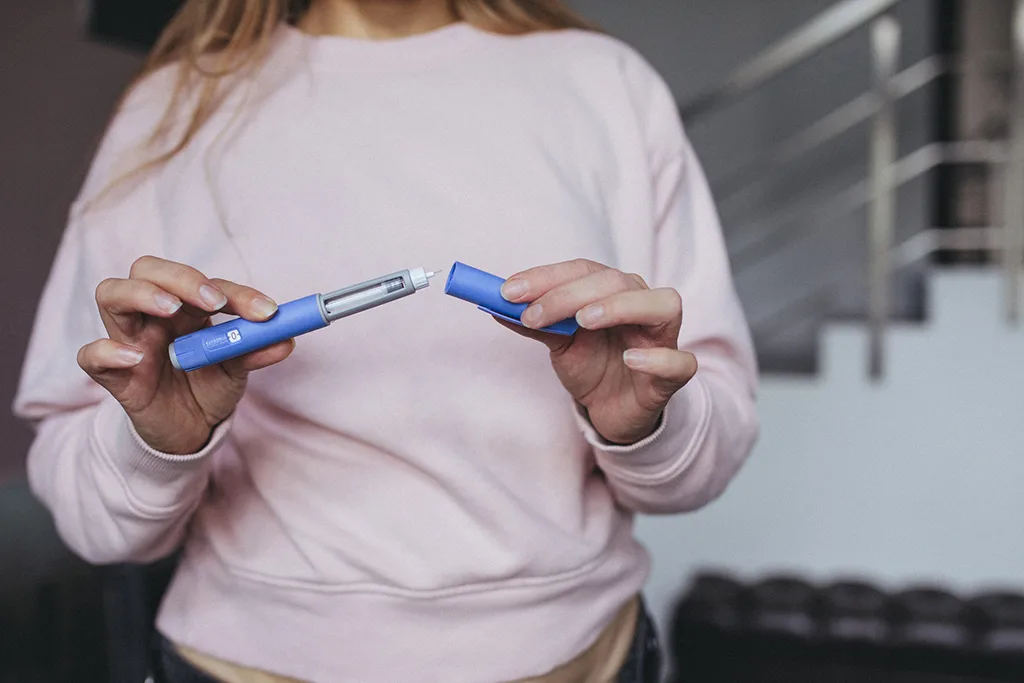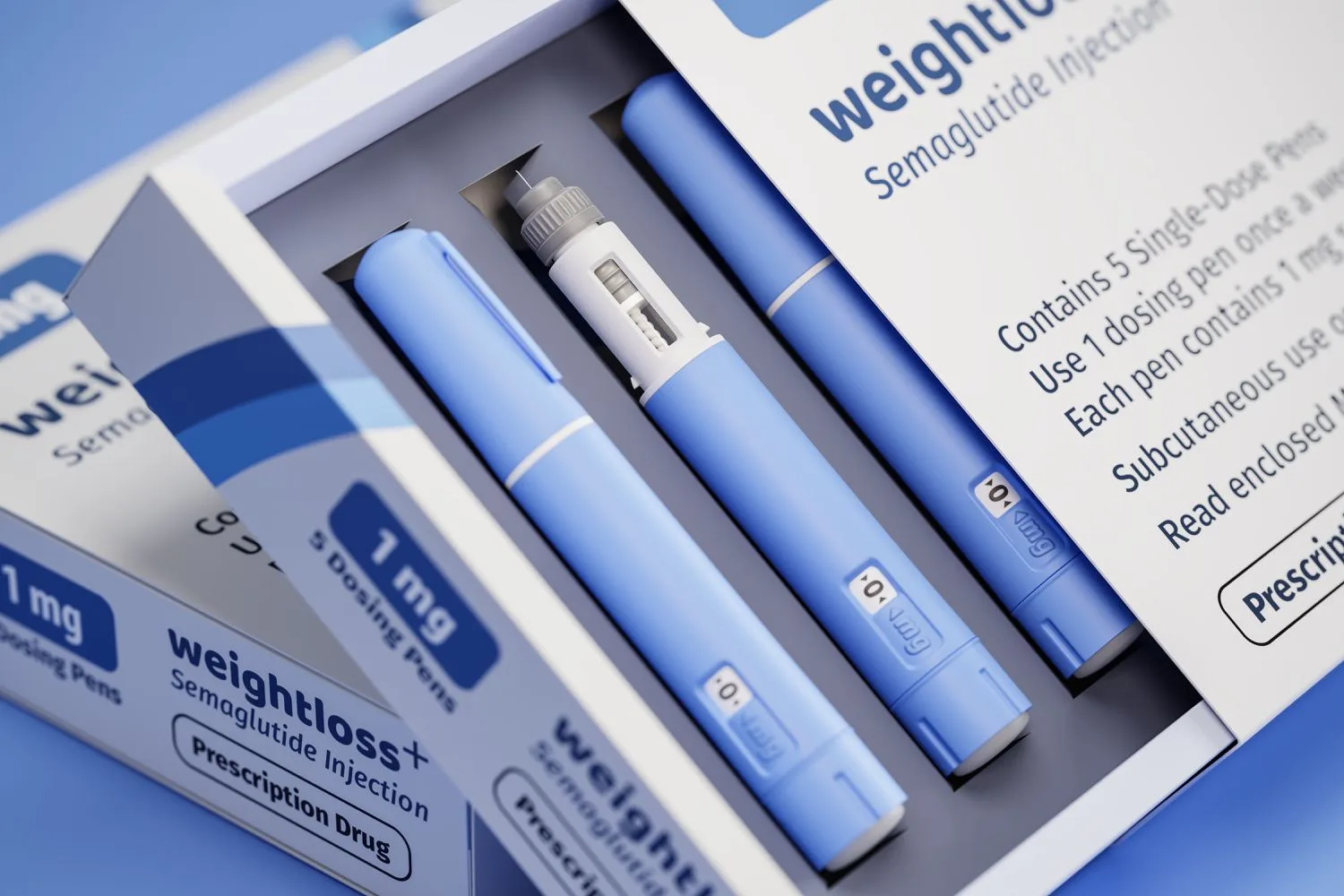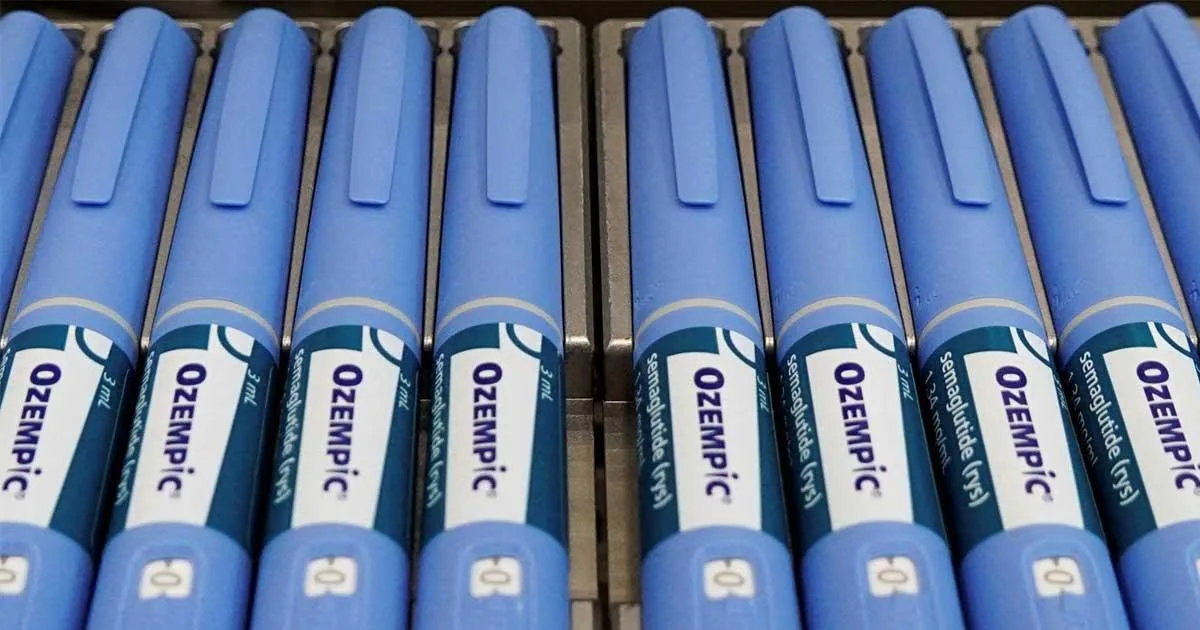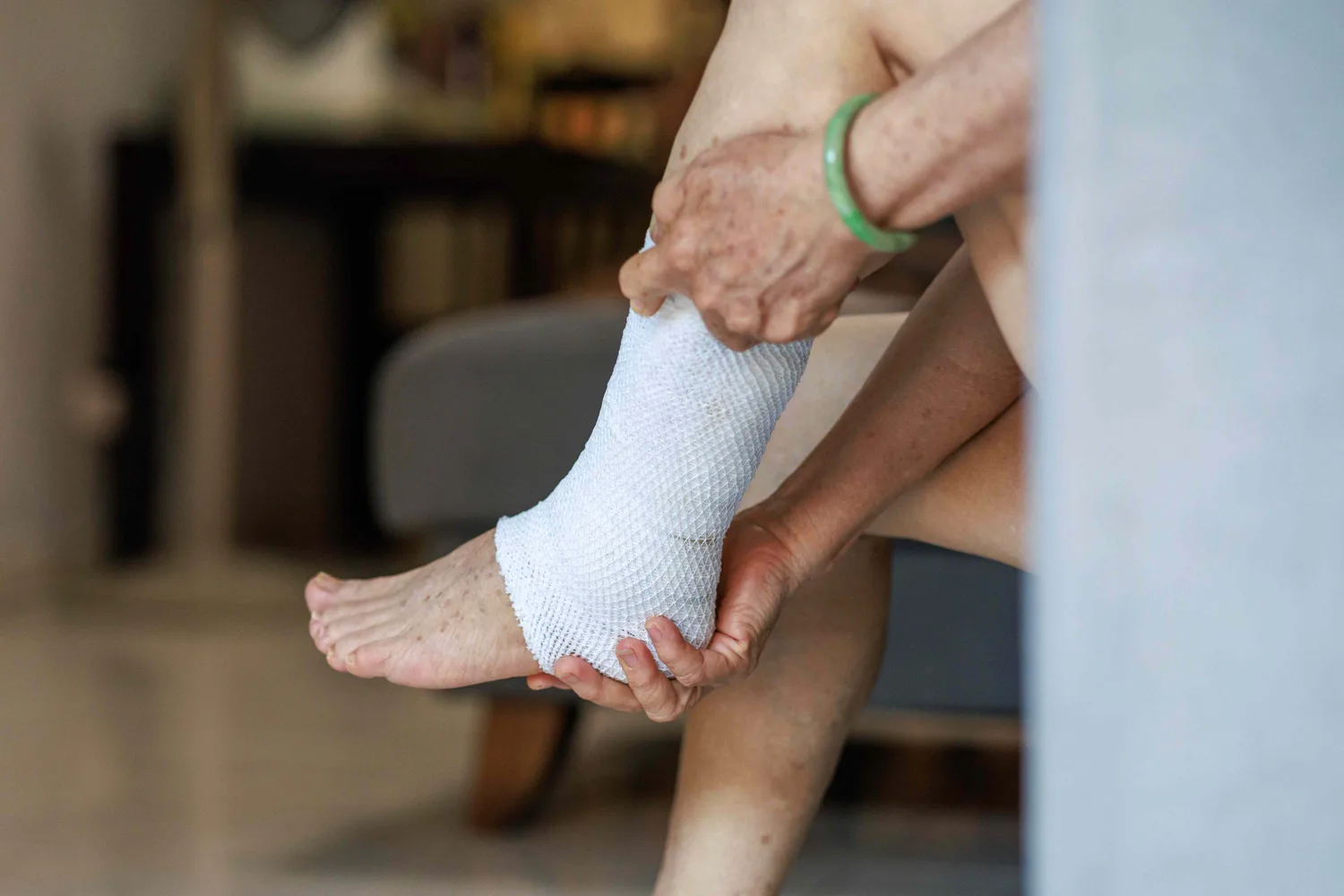

GLP-1 drugs, such as Ozempic and Wegovy, have transformed management of diabetes and obesity, but emerging research now points to potential risks for bone and joint health. A study presented at the annual meeting of the American Academy of Orthopaedic Surgeons suggests that people taking GLP-1 medications for several years may face higher risks of osteoporosis, gout, and osteomalacia. This research, which hasn't been peer-reviewed, analyzed data from nearly 150,000 individuals and only shows associations, not causation.
Origins and Methodology of the Study
The study's origins trace back to clinical observations in the exam room. Orthopedic surgeon and study author John G. Horneff noticed that patients taking GLP-1s "appeared to develop significant tendon injuries after relatively minor events," according to fellow author Muaaz Wajahath, a medical student at Michigan State University. This prompted investigation into whether GLP-1 therapy and the rapid body composition changes it induces might broadly affect connective tissue and bone.
To explore this, researchers analyzed data from a large, multi-institutional medical records database. They tracked 73,483 adults taking GLP-1 drugs—including semaglutide-based Ozempic and Wegovy, liraglutide (Victoza), dulaglutide (Trulicity), and exenatide (Byetta)—and compared them to an equal number of adults not on these medications. Outcomes were monitored for five years after treatment initiation, with adjustments for confounders like age, sex, race, BMI, hemoglobin A1c, tobacco use, and certain underlying conditions.
The key conditions examined were:
- Osteoporosis: Bones that become weak and prone to fracture.
- Gout: An inflammatory arthritis caused by excess uric acid crystals in the joints.
- Osteomalacia: Softening of bone tissue.
After analysis, the researchers found significant differences in diagnosis rates between GLP-1 users and nonusers over five years, as described by Wajahath.
Context in GLP-1 Research on Bone Health
These findings contribute to an ongoing conversation about GLP-1 use and skeletal health. Andres Splenser, MD, an endocrinologist at Memorial Hermann, notes that previous research has been "mixed and limited." Some studies report slight increases in bone turnover markers, sparking interest in GLP-1s for osteoporosis treatment, while others show no changes or only transient effects.
For instance, a 2024 study found that GLP-1 therapy alone was linked to reduced bone mineral density at the hip and spine, but incorporating resistance exercise fully offset this loss, according to Splenser. GLP-1 receptor agonists like semaglutide work primarily by mimicking glucagon-like peptide-1, a hormone that regulates blood sugar, slows gastric emptying, and promotes satiety, leading to substantial weight loss. However, this rapid fat and muscle reduction may influence bone remodeling, as bones adapt to mechanical loading from body weight.
How GLP-1 Medications Affect Bone and Joints
Experts propose several mechanisms for the observed associations:
Precision tracking for your journey
Join thousands using Shotlee to accurately track GLP-1 medications and side effects.
📱 Get the Shotlee App
Track your GLP-1 medications, peptides, and health metrics on the go with our mobile app!
- Rapid Weight Loss: "Usually, carrying weight helps stimulate bone growth," explains Kyle J. Thompson, MD, a bariatric surgeon at Intermountain Health. "If weight drops too fast, the body might break down bone faster than it can build it back up." This caloric deficit and reduced mechanical stress can accelerate bone resorption.
- Uric Acid Fluctuations: Sonia Gibson, MD, an endocrinologist at Allara Health, points out that rapid fat breakdown elevates circulating uric acid, potentially triggering gout. Gastrointestinal side effects like nausea or diarrhea may cause dehydration, further concentrating uric acid and exacerbating flares.
- Nutrient Deficiencies: GLP-1s suppress appetite, risking shortfalls in bone-supporting nutrients such as calcium, protein, and vitamin D, per Thompson. Long-term users might inadvertently reduce intake of dairy, leafy greens, or fortified foods essential for mineralization.
Caveats and Limitations of the Research
While intriguing, the study has important limitations. Researchers could not account for dosage, medication adherence, supplement use, or lifestyle factors like diet, exercise, and alcohol intake. Individual bone mineral density or fracture rates were not directly measured, and the findings represent associations, not proof of causation.
Additionally, GLP-1 drugs carry known gastrointestinal side effects—nausea, vomiting, diarrhea—that affect up to 20-30% of users initially, but these typically diminish over time. Bone-related risks appear more relevant for long-term users, particularly those with pre-existing conditions like low BMI or prior fractures.
What This Means for Patients on GLP-1 Therapy
For most individuals, these risks do not warrant discontinuing GLP-1s. "For most patients, this small risk is unlikely to outweigh the heart and metabolic benefits of the medication," Gibson emphasizes. GLP-1s like Ozempic have demonstrated cardiovascular protection, reducing major adverse events in trials like SELECT.
Practical Guidance for Safe Use
To mitigate potential bone and joint risks:
- Prioritize Nutrition: Ensure adequate calcium (1,000-1,200 mg/day), vitamin D (600-800 IU/day), and protein (1.2-1.6 g/kg body weight). Consider supplements if diet falls short, under medical advice.
- Incorporate Exercise: Engage in weight-bearing activities like walking or resistance training 3-5 times weekly to stimulate bone formation. Studies show this counters GLP-1-related density loss.
- Monitor Health: Discuss bone density screening (DEXA scan) if at risk—postmenopausal women, older adults, or those with family history. Track symptoms like joint pain or fractures with tools like Shotlee for medication schedules and side effect logging.
- Stay Hydrated: Counter GI effects to prevent gout flares.
Always use GLP-1s under physician supervision, especially with bone health vulnerabilities. "Being under a physician's care and being monitored for side effects or these low-risk considerations is key," Splenser advises.
Comparison to Alternatives and Future Research
Compared to other weight-loss options like bariatric surgery, GLP-1s offer reversibility but similar bone concerns from rapid change. SGLT2 inhibitors or older diabetes drugs show less impact on bone density. Ongoing trials, including bone substudies in SELECT and STEP, will clarify long-term effects.
Key Takeaways
- A non-peer-reviewed study links GLP-1 drugs (Ozempic, Wegovy, etc.) to higher osteoporosis, gout, and osteomalacia risks over five years in 73,483 users vs. controls.
- Associations may stem from rapid weight loss, nutrient gaps, or uric acid shifts—not direct drug effects.
- Benefits often outweigh risks; focus on nutrition, exercise, and monitoring.
- Consult doctors for personalized risk assessment.
Conclusion
This AAOS-presented research underscores the need for holistic management in GLP-1 therapy, balancing metabolic gains with skeletal vigilance. By integrating diet, activity, and regular check-ins, patients can optimize outcomes. Stay informed as peer-reviewed data evolves, and prioritize evidence-based strategies for long-term health.