
GLP-1 Drugs and Sensory Side Effects: Understanding New Reports of Dysesthesia and Allodynia
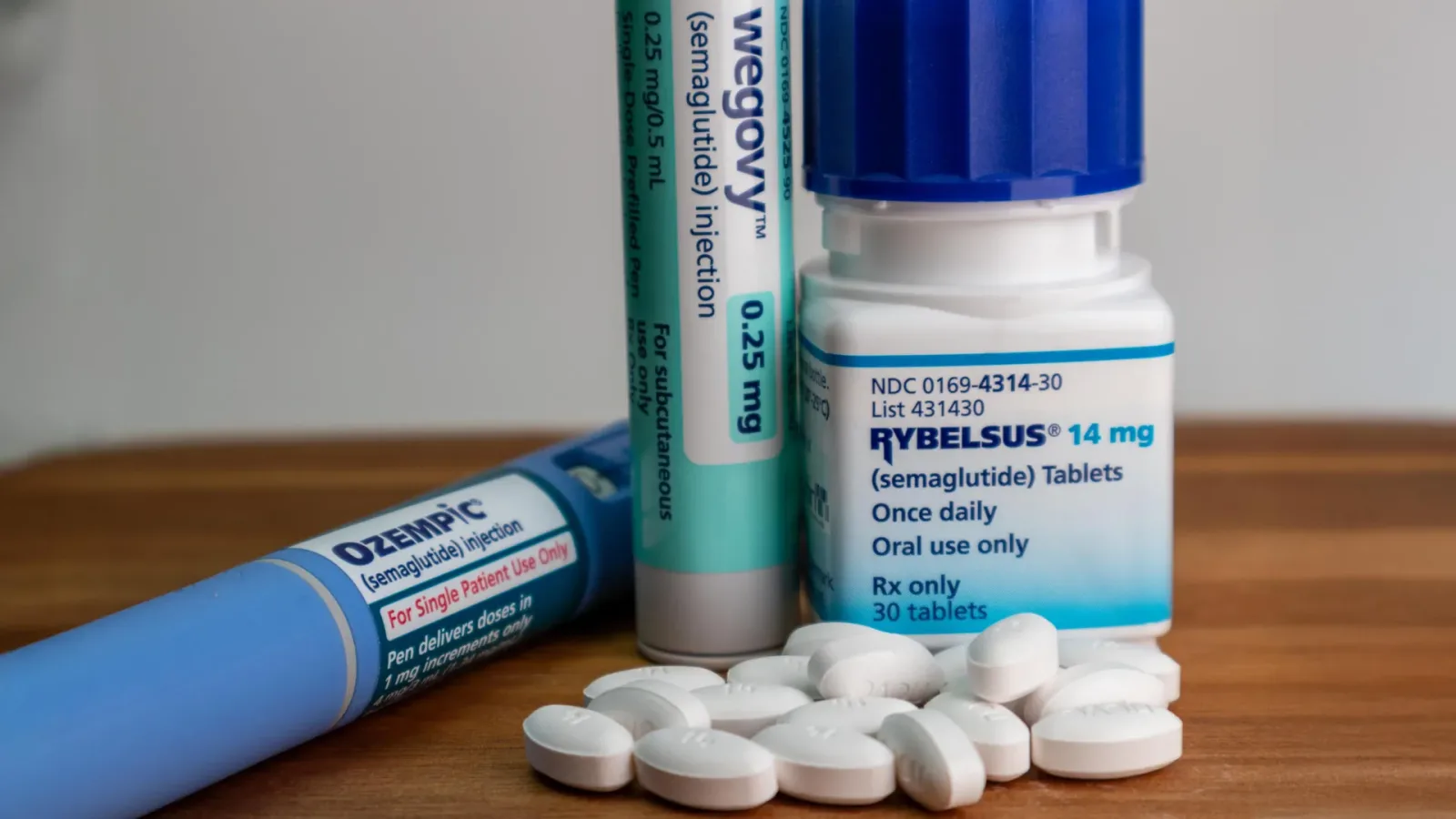
A new medical report is highlighting a potential, though rare, side effect associated with popular GLP-1 receptor agonist medications like semaglutide (Ozempic, Wegovy, Rybelsus) and tirzepatide (Mounjaro, Zepbound). The report, published by a team from the David Geffen School of Medicine at UCLA, details cases where these incretin-based therapies triggered sensory disturbances known as dysesthesia and allodynia. These findings add to a growing body of anecdotal and pharmacovigilance data suggesting that clinicians and patients should be aware of these unusual neurological reactions.
What Are Dysesthesia and Allodynia?
Before diving into the cases, it's crucial to understand the medical terms in question. These are not typical side effects like nausea or gastrointestinal discomfort.
- Dysesthesia refers to an unpleasant, abnormal sensation. This can include burning, itching, or a feeling of "pins and needles" on the skin without an apparent external cause. Patients often describe it as a sunburn-like feeling when nothing has touched the skin.
- Allodynia is a specific type of pain caused by a stimulus that does not normally provoke pain. For example, light touch, clothing brushing against the skin, or a gentle breeze can feel intensely painful. It is often described as a severe burning or electric shock sensation.
Both conditions are neurological in origin, indicating a malfunction in the way the nervous system processes sensory signals.
Case Report Details: Linking Symptoms to GLP-1 and GIP/GLP-1 Medications
The case series, led by endocrinologist Dr. Susan Ahern and colleagues, presents two detailed patient experiences that underscore the potential link between these medications and sensory side effects.
Case 1: Dysesthesia with Semaglutide
The first case involved a 56-year-old woman using medication for chronic weight management. She was initially on liraglutide (Saxenda) at a dose of up to 3 mg daily for six months without issue. After transitioning to semaglutide 2.4 mg weekly (the Wegovy dose), she developed skin dysesthesia within a few weeks. She described the sensation as feeling like her skin had been sunburned. Notably, this abnormal sensation persisted for about six weeks and then resolved spontaneously without her stopping the medication.
Case 2: Allodynia with Tirzepatide
The second case is particularly significant as it represents the first published case report of tirzepatide-associated allodynia and dysesthesia. A 75-year-old man with type 2 diabetes was switched from 14 mg daily of oral semaglutide (Rybelsus) to subcutaneous tirzepatide. His dose was escalated monthly from 2.5 mg to the maximum 15 mg weekly.
After reaching the 15 mg dose, he reported allodynia—a burning pain sensation throughout his body. This patient had a complex medical history including peripheral neuropathy and chronic back pain, for which he was already taking pregabalin and duloxetine. His first episode of allodynia lasted two weeks and resolved on its own.
Approximately six months later, following antibiotic treatment for a dental infection, he experienced a second, more severe episode. This time, it was associated with odynophagia (painful swallowing), though there was no evidence of oral thrush. Due to the severity, tirzepatide was discontinued, and the pain completely resolved. He was successfully transitioned back to oral and later subcutaneous semaglutide without recurrence of the sensory symptoms.
Precision tracking for your journey
Join thousands using Shotlee to accurately track GLP-1 medications and side effects.
📱 Get the Shotlee App
Track your GLP-1 medications, peptides, and health metrics on the go with our mobile app!
Clinical Context and Mechanism: Why Might This Happen?
The exact biological mechanism by which GLP-1 receptor agonists and dual GIP/GLP-1 receptor agonists like tirzepatide might induce dysesthesia or allodynia is not fully understood. However, several theories exist based on the known actions of these drugs:
- Neurological Effects: GLP-1 receptors are found throughout the central and peripheral nervous systems. These drugs have documented neuroprotective and neuro-modulatory effects, which could, in rare instances, lead to altered sensory processing.
- Inflammatory Response: Some researchers hypothesize a potential inflammatory reaction affecting small nerve fibers, leading to abnormal pain signaling.
- Dose-Dependency: As suggested by the authors of the report and seen in Case 2, this adverse reaction appears to be dose-dependent, emerging at higher therapeutic doses.
It is also critical to distinguish these sensory side effects from more common conditions. For instance, the odynophagia reported in Case 2 could easily be mistaken for oral thrush (a fungal infection), which is a known side effect of GLP-1 drugs due to slowed gastric emptying. Careful differential diagnosis is essential.
How Common Are These Sensory Side Effects?
While these case reports describe individual experiences, they are not isolated incidents. The authors note that allodynia and dysesthesia have been previously reported as adverse reactions to semaglutide. Furthermore, a review of the FDA Adverse Event Reporting System (FAERS) data lists allodynia among the top 50 adverse reactions reported with tirzepatide.
Importantly, this specific sensory adverse reaction is not currently listed on the official drug labels (prescribing information) for semaglutide or tirzepatide. This highlights the role of post-marketing surveillance and case reports in identifying rare side effects that may not emerge during clinical trials due to their limited size and duration.
Key Takeaways for Patients and Clinicians
What This Means for Patients on GLP-1 Therapy
If you are taking semaglutide, tirzepatide, or similar medications, it's important to maintain perspective. These sensory side effects appear to be rare. However, you should be aware of new or unusual symptoms.
- Monitor Your Symptoms: Pay attention to any new burning, tingling, sunburn-like sensations, or pain from light touch on your skin. Using a tool like Shotlee to track medication doses and any associated side effects can help you and your doctor identify patterns.
- Communicate with Your Doctor: Report any such symptoms to your prescribing clinician immediately. Do not assume they are unrelated. Note when the symptoms started relative to your dose escalation.
- Know the Prognosis: The report indicates that symptoms may resolve spontaneously after several weeks or, more definitively, upon discontinuation of the drug. In the cases described, the symptoms were reversible.
Implications for Healthcare Providers
The authors emphasize that clinicians across specialties—including endocrinology, neurology, dermatology, and primary care—should be aware of this potential link. As prescriptions for these agents soar, recognizing these atypical adverse effects is crucial for proper patient management.
- Consider in Differential Diagnosis: When a patient on a GLP-1 or GIP/GLP-1 medication presents with new-onset neuropathic pain or sensory abnormalities, consider the medication as a potential cause.
- Dose Dependency and Re-challenge: Be aware that symptoms may be dose-dependent. As Case 2 demonstrated, a patient may tolerate one drug in the class (semaglutide) but not another (tirzepatide), suggesting the reaction may be specific to certain agents or their unique pharmacologies.
- Reporting is Key: Reporting such cases to regulatory bodies like the FDA helps improve the collective understanding of drug safety profiles.
Conclusion: Balancing Benefits with Awareness of Rare Risks
The groundbreaking benefits of GLP-1 receptor agonists and dual agonists for weight management and glycemic control are well-established and life-changing for millions. This new report does not negate those benefits but adds a layer of necessary nuance to their safety profile. Identifying and understanding rare side effects like dysesthesia and allodynia is part of the ongoing process of optimizing patient care with these powerful medications. Open communication between patients and providers, coupled with heightened clinical awareness, ensures that individuals can reap the profound benefits of these therapies while any adverse effects are promptly recognized and managed.
"This is the first published case report of tirzepatide-associated allodynia/dysesthesia... Clinicians across multiple specialties... should be aware of the potential adverse effects of allodynia and dysesthesia associated with semaglutide and tirzepatide because these agents are increasingly prescribed and additional drugs in this class are in development." – Dr. Susan Ahern et al.