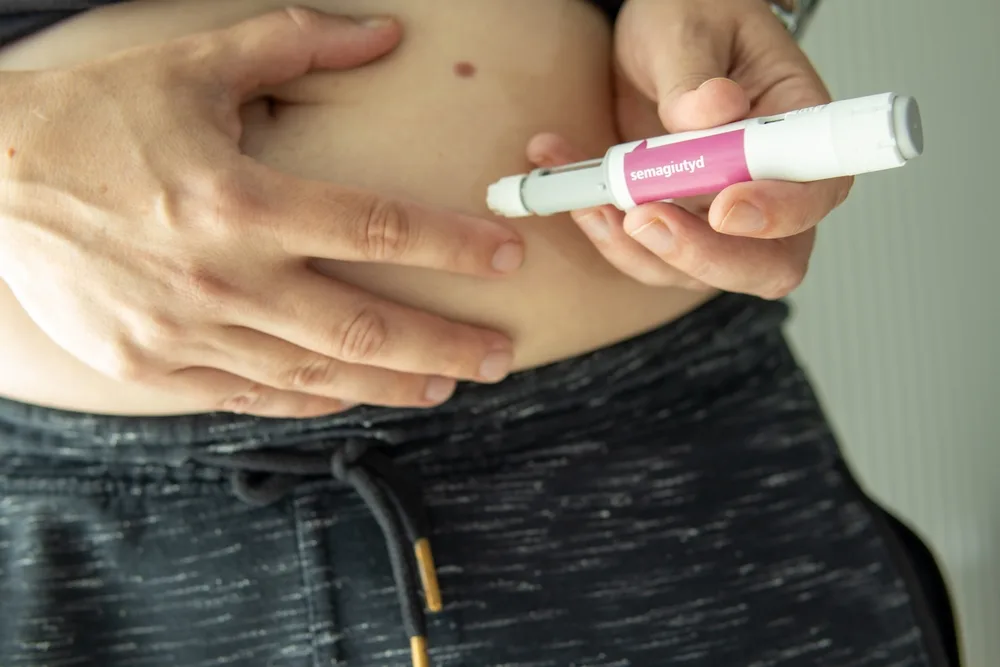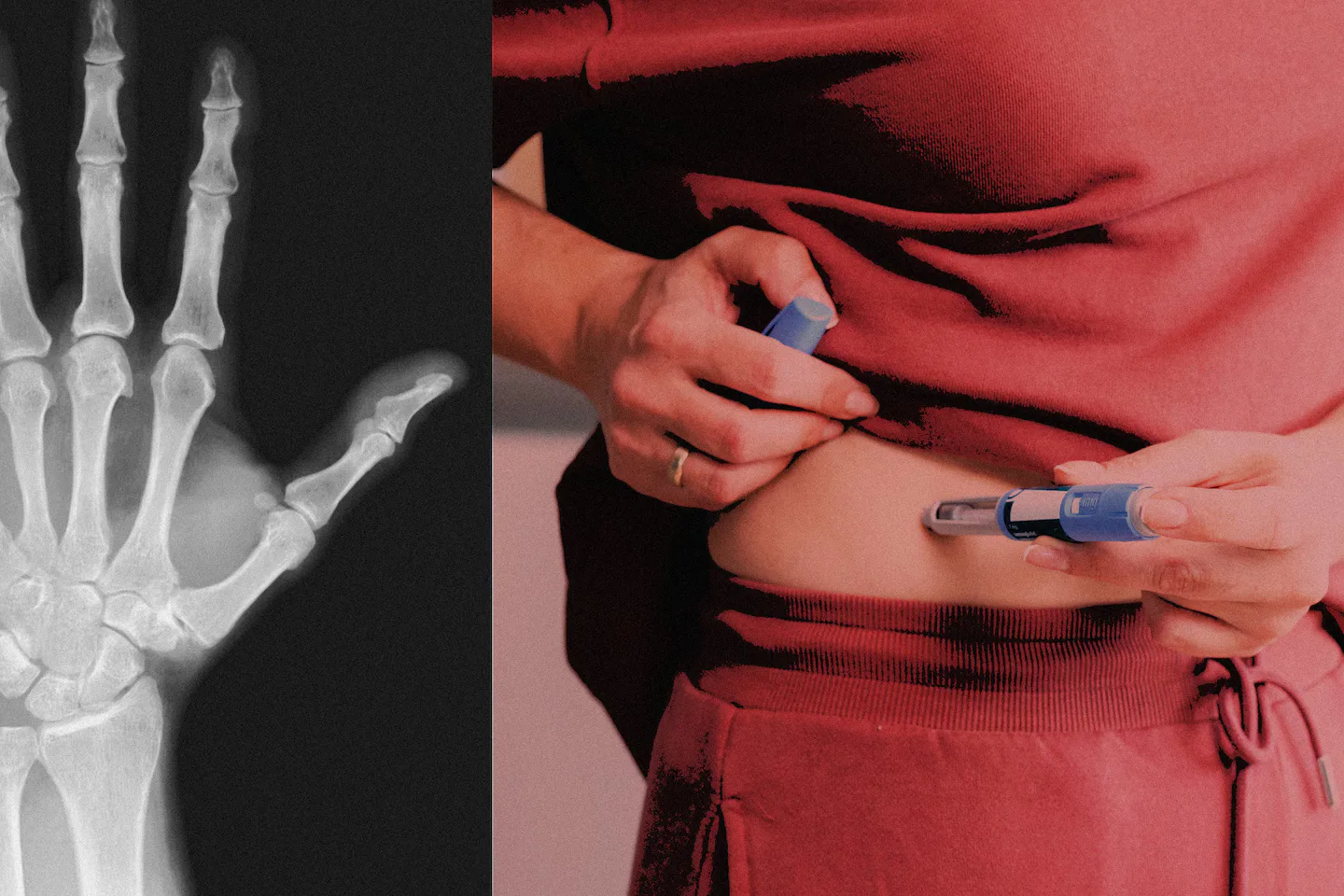

GLP-1 drugs like Ozempic have transformed weight management and metabolic health, but emerging research highlights potential skeletal concerns. A recent analysis of nearly 150,000 patients suggests these medications may increase the risk of bone disorders and tendon injuries, prompting closer scrutiny of their long-term effects on structural health.
The Study: Key Findings on GLP-1 Drugs and Skeletal Risks
Presented this month at the American Academy of Orthopaedic Surgeons' annual meeting, the study drew from electronic health records in a national database. Researchers found that people taking GLP-1 medications faced a significantly higher risk of skeletal disorders over five years.
- Risk of osteoporosis—a disease that weakens bones and makes them brittle—was nearly 30 percent higher.
- Risk of gout, a painful inflammatory arthritis from needle-like crystals in joints, rose 12 percent.
- Risk of osteomalacia, a softening of the bone due to low mineral-to-bone ratio, increased by more than 150 percent.
"It was a lot more than I expected," said John Gabriel Horneff, one of the study's authors and an associate professor of clinical orthopaedic surgery at the University of Pennsylvania.
The study controlled for age, sex, race, tobacco use, and numerous medical conditions but did not include dosage or duration of GLP-1 therapy. As an observational analysis presented as an abstract, it establishes association, not causation, and awaits peer review.
Separate Analysis on Tendon Injuries
In a related presentation at the same conference, Horneff and colleagues reported GLP-1 use was associated with a roughly 50 percent increased risk over five years of tendon ruptures, including:
- Pectoralis major (connecting shoulder to chest)
- Rotator cuff (stabilizing the shoulder joint)
- Achilles (from lower leg to heel)
This investigation stemmed from anecdotal patterns: patients on GLP-1s reporting tears from minor activities, like reaching forward or picking up light objects, unlike typical rigorous triggers such as heavy bench presses.
Mechanisms Behind GLP-1 Drugs' Impact on Bone and Tendons
Bone, muscle, and tendons form a interconnected structural unit supporting the body. The human skeleton dynamically remodels at a roughly 50-50 ratio of breakdown and rebuilding under normal conditions.
Potential Explanations for Bone Loss
Early GLP-1 research hinted at bone benefits, but these findings suggest harm. Hypotheses include:
- Interference with hormones essential to bone metabolism.
- Nutritional deficiencies from reduced appetite, limiting minerals for bone rebuilding.
- Sudden mechanical load reduction: "If someone has been living their life at 300-plus and all of a sudden they drop a lot of weight quickly, you can imagine that there is probably a sudden shock to your normal bone metabolism. They are not being subject to the same gravitational pull," Horneff explained.
Research indicates about a quarter of GLP-1 weight loss comes from "lean mass," including muscle, water, and connective tissue, potentially disrupting this balance.
Expert Perspectives on Extent and Implications
"The impact on the bone is more extensive than we thought," said Clifford Rosen, professor of medicine at Tufts University, who studies GLP-1s and bone health but was not involved.
Rosen notes population-level risks are small across millions of users, but individual consequences—like fractures in older adults or postmenopausal women—can be severe. Postmenopause, fracture risk rises 1-2% annually; "Adding another percent on top of that could be devastating," he said.
Precision tracking for your journey
Join thousands using Shotlee to accurately track GLP-1 medications and side effects.
📱 Get the Shotlee App
Track your GLP-1 medications, peptides, and health metrics on the go with our mobile app!
Open questions remain: Does bone loss persist with ongoing weight loss? Does density rebound post-treatment?
GLP-1 Prescribing Information and Manufacturer Responses
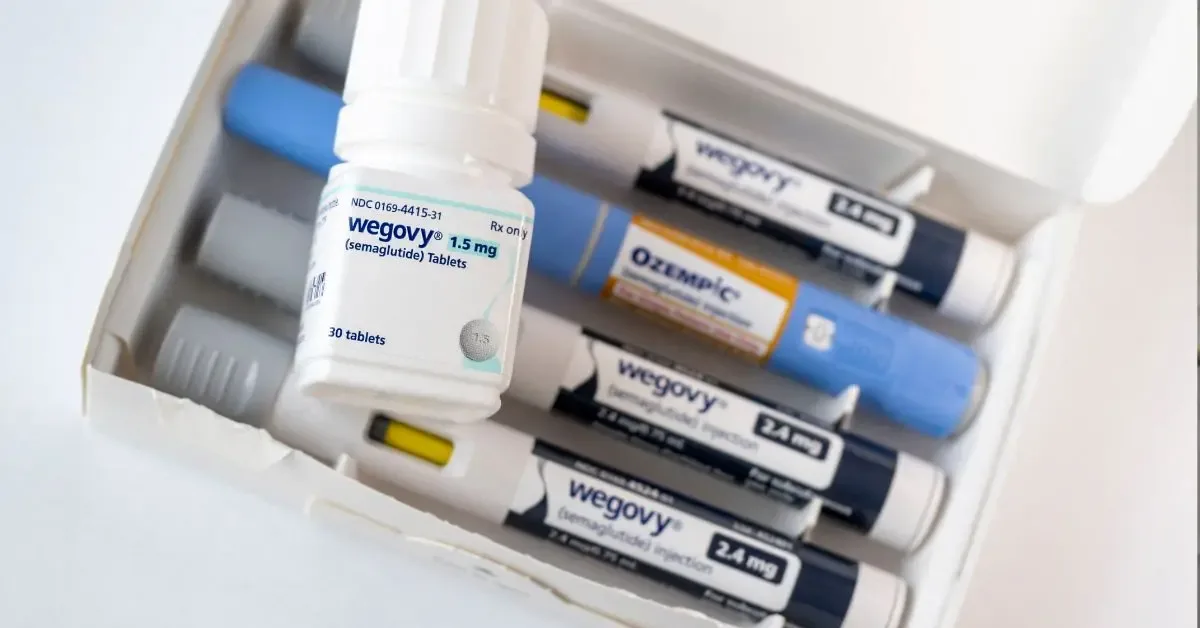
Of the four major GLP-1 drugs—Ozempic, Wegovy, Mounjaro, and Zepbound—only Wegovy mentions fracture risk in its prescribing information, added post-approval.
In one study of nearly 5,000 women, fractures occurred in 4.4% on Wegovy vs. 3.3% placebo; in patients 75+, it was 2.4% vs. 0.6%. Another trial showed 4.4% vs. 3.3% across genders.
Novo Nordisk (Ozempic, Wegovy) and Eli Lilly (Mounjaro, Zepbound) prioritized patient safety but declined direct comment. Novo stated known risks are in FDA labeling; Lilly monitors safety actively. Rosen added pharmaceutical companies are developing versions to mitigate bone loss, as they've long anticipated these issues.
Gout Risk: An Unexpected Finding
Angelo Gaffo, professor of medicine at the University of Alabama at Birmingham's rheumatology division, called the 12% gout increase puzzling, as GLP-1s typically lower uric acid—a gout driver. A rapid drop might trigger temporary flares, but "My prediction is that eventually the risk will get better after uric acid is lower for a while and general health will improve," he said.
Balancing Risks and Rewards of GLP-1 Therapy
Physicians stress these findings do not overshadow GLP-1 benefits: significant weight loss, better blood-sugar control, reduced cardiovascular events, kidney, and liver disease risks. Serious side effects like gastroparesis, vision issues, or kidney failure remain rare.
Patient Guidance and Monitoring
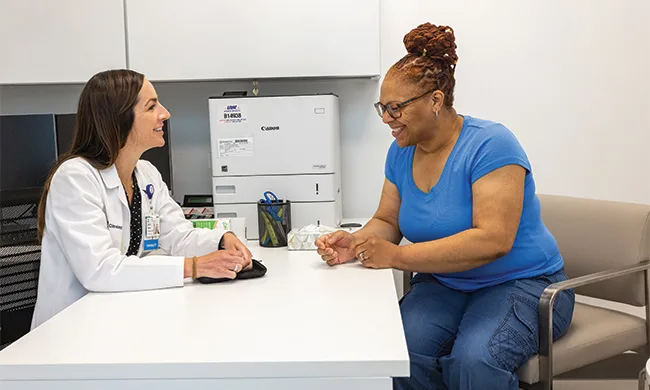
Rosen and Horneff recommend high-risk patients discuss DEXA bone density scans before or during treatment, plus calcium and vitamin D supplements.
Miranda Stiewig-Rapp, assistant professor of endocrinology at UC Davis Health, emphasizes pairing GLP-1s with nutrient-rich diets, exercise, and supervision: "What I tell my patients is this helps you stick to the nutrition and lifestyle changes to lose weight. You're still going to be doing the work."
Tools like Shotlee can help track symptoms, side effects, or medication adherence, aiding discussions with providers.
Key Takeaways: What This Means for Patients on GLP-1 Drugs
- GLP-1s like Ozempic are associated with higher osteoporosis (30%), gout (12%), osteomalacia (150%), and tendon rupture (50%) risks in a 150,000-patient study.
- Mechanisms may involve hormonal changes, nutrition gaps, or rapid weight loss unloading bones.
- Discuss bone scans, supplements, and lifestyle integration with your doctor, especially if postmenopausal or elderly.
- Benefits for metabolic health often outweigh risks, but vigilant monitoring is key.
Conclusion: Informed Decisions in GLP-1 Therapy
This study underscores the need for holistic approaches to GLP-1 use, integrating skeletal health monitoring with metabolic gains. While risks exist, personalized medical guidance ensures safe, effective therapy. Consult your healthcare provider to weigh these associations against your health profile.