
Understanding GLP-1 Weight Loss Drugs
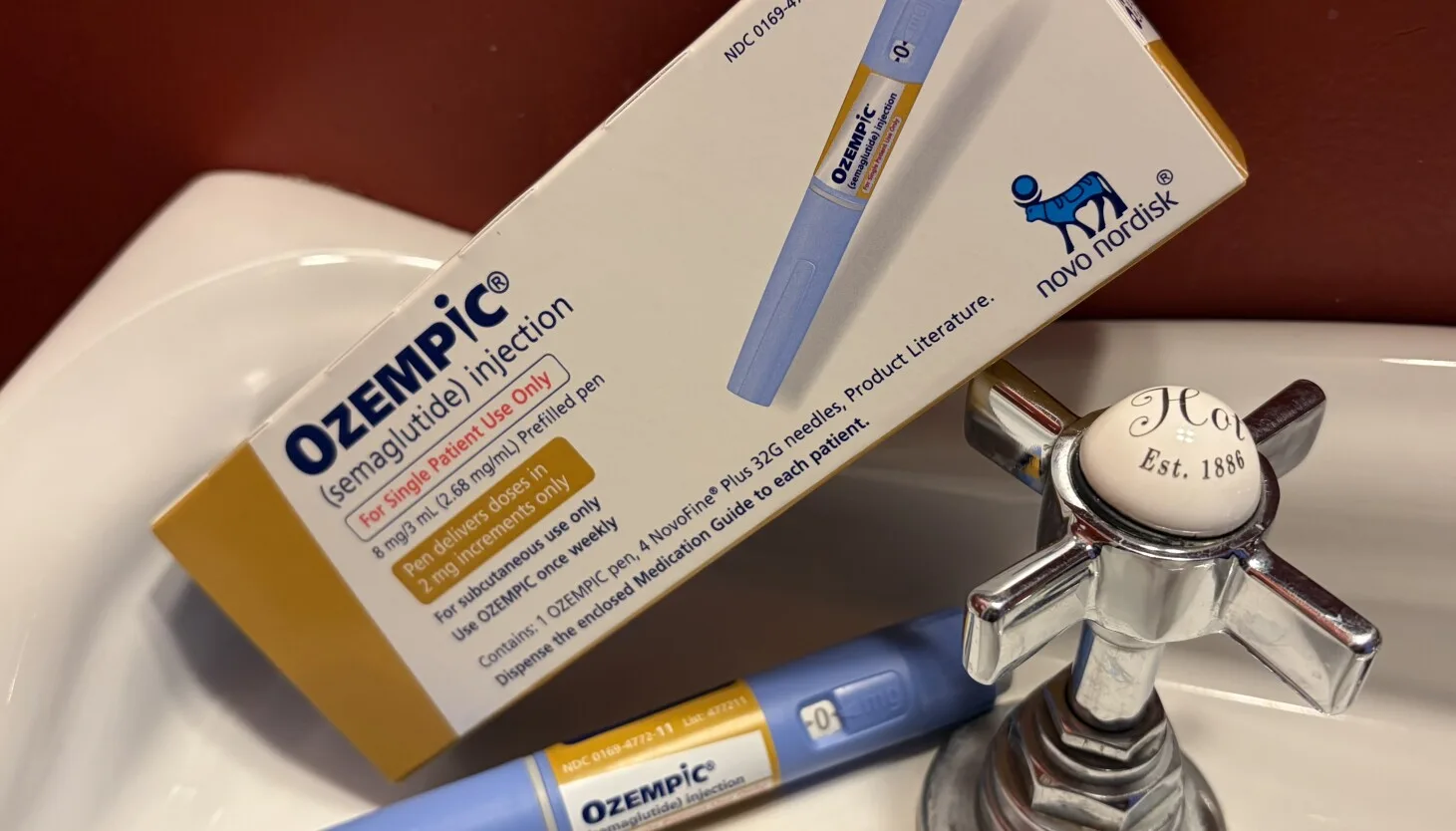
GLP-1 receptor agonists, such as semaglutide (Ozempic, Wegovy) and tirzepatide (Mounjaro, Zepbound), have revolutionized obesity treatment. These injectable medications mimic the glucagon-like peptide-1 hormone, which regulates blood sugar, appetite, and digestion. Approved by the FDA for type 2 diabetes and chronic weight management, they've helped millions achieve 15-20% body weight loss in clinical trials like STEP and SURMOUNT.
Yet, their rapid adoption—over 12 million U.S. prescriptions in 2023—has brought scrutiny. Common side effects include nausea and diarrhea, but severe gastrointestinal (GI) issues like gastroparesis (stomach paralysis) have fueled thousands of lawsuits. This guide provides a balanced, evidence-based overview for patients and health enthusiasts.
How GLP-1 Drugs Work: The Science of Satiety
GLP-1 is a gut hormone released after eating. It signals the brain to reduce hunger via the hypothalamus and slows gastric emptying through receptors on the stomach and vagus nerve pathways. This dual action promotes fullness (*satiety*) and lowers calorie intake.
- Semaglutide: Weekly injection; doses start at 0.25 mg (Ozempic) or 0.25 mg (Wegovy), titrating to 2.4 mg.
- Tirzepatide: Dual GLP-1/GIP agonist; starts at 2.5 mg, up to 15 mg weekly, showing superior weight loss (up to 22% in trials).
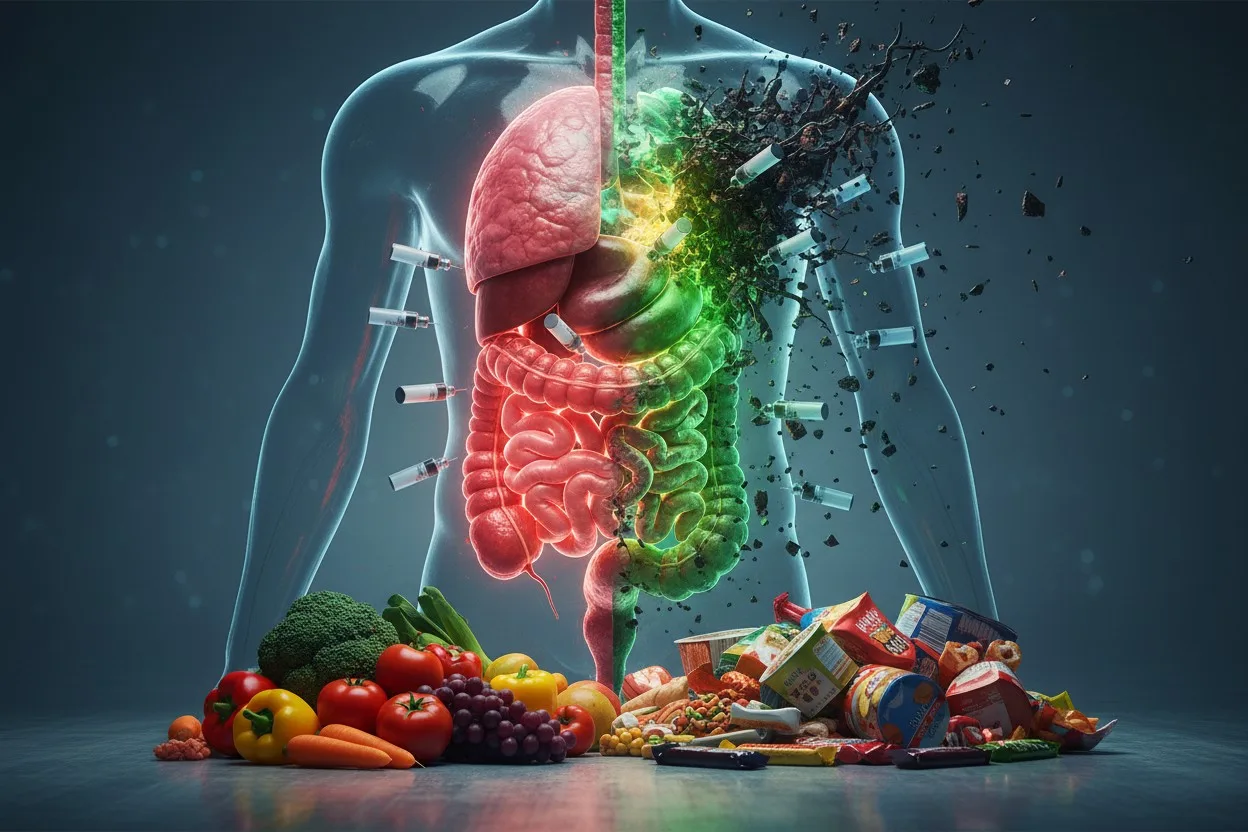
By delaying food transit from stomach to intestines, these drugs curb post-meal spikes in blood sugar and overeating. However, this mechanism underlies GI risks: slowed motility can lead to food stagnation, bacterial overgrowth, and inflammation.
Proven Benefits Backed by Clinical Data
Before risks, consider efficacy. The STEP 1 trial (NEJM, 2021) showed Wegovy users lost 14.9% weight vs. 2.4% placebo over 68 weeks. Tirzepatide's SURMOUNT-1 trial reported 20.9% loss at highest dose. Benefits extend to cardiovascular risk reduction—SELECT trial (2023) found 20% lower heart events in obese patients with CVD history.
For metabolic health, GLP-1s improve insulin sensitivity, reduce liver fat, and alleviate sleep apnea. They're not 'miracle drugs' but powerful tools when combined with diet and exercise.
Serious Side Effects: Focus on Gastroparesis and Beyond
GI complaints affect 40-50% of users, mostly mild and transient. But severe cases include:
- Gastroparesis: Delayed stomach emptying, causing nausea, vomiting, bloating. FDA added warnings in 2023 after post-marketing reports.
- Bowel Obstruction/Ileus: Rare intestinal blockages; 'exploding colon' claims in lawsuits refer to perforations or severe distension from undiagnosed ileus.
- Other Risks: Pancreatitis (0.2%), gallbladder issues (2-3%), and thiamine deficiency from prolonged vomiting leading to neuropathy.
A 2023 JAMA study analyzed 16,000+ semaglutide users: gastroparesis risk was 3.7x higher vs. bupropion-naltrexone. European Medicines Agency investigated suicidal ideation but found no causal link after review.
These effects stem from exaggerated GLP-1 signaling, which can overly suppress motility in susceptible individuals.
The GLP-1 Lawsuits: What Plaintiffs Allege
Over 2,000 cases are consolidated in multidistrict litigation (MDL) in Louisiana federal court against Novo Nordisk and Eli Lilly. Plaintiffs claim inadequate warnings about permanent gastroparesis, bowel rupture, and malnutrition. One case described 'colon blowout' from fermented food pressure.
Key allegations:
Precision tracking for your journey
Join thousands using Shotlee to accurately track GLP-1 medications and side effects.
📱 Get the Shotlee App
Track your GLP-1 medications, peptides, and health metrics on the go with our mobile app!
- Failure to disclose risks beyond labels' 'may cause nausea.'
- Marketing downplayed severity, targeting non-diabetics via social media.
- Post-approval data ignored (e.g., WHO's VigiBase reports of 100+ gastroparesis cases by 2022).
Outcomes are pending; similar cases (e.g., Zantac) settled for billions. Manufacturers counter that labels warn of GI events and risks are rare (<1% severe).
Who’s at Risk? Identifying Vulnerabilities
Not everyone experiences severe effects. Risk factors include:
- Prior GI disorders (e.g., IBS, gastroparesis history).
- High doses or rapid titration.
- Poor baseline nutrition—obesity often links to micronutrient deficiencies (e.g., 30% of obese adults thiamine-deficient per NHANES data).
- Female sex (higher GI sensitivity).
Those on ultra-processed diets face amplified harm: low fiber exacerbates stasis, inflammation from seed oils worsens gut barrier function. GLP-1s don't 'cause' obesity's root issues but highlight them.
Managing Side Effects: Evidence-Based Strategies
Don't stop abruptly—consult your doctor. Mitigation includes:
- Slow Titration: Extend ramps to minimize nausea.
- Symptom Tracking: Apps like Shotlee help log side effects, nutrition, and symptoms for better doctor discussions.
- Medications: Antiemetics (ondansetron), prokinetics (metoclopramide, cautiously).
- Nutrition: Small, low-fat meals; ginger/peppermint for nausea; B-vitamin supplements.
For gastroparesis: Liquid diets, erythromycin. Most resolve off-drug, but 20-30% report persistence per surveys.
Nutrition and Lifestyle: The Foundation GLP-1s Amplify
GLP-1s work best with metabolic health basics. Prioritize:
- Fiber-Rich Diet: 25-30g/day from veggies, whole grains to support motility.
- Protein Focus: 1.6g/kg body weight preserves muscle (DEXA scans show 40% less loss with high protein).
- Hydration & Movement: 3L water daily; 150 min moderate exercise counters constipation.
Tools like Shotlee track intake alongside meds for personalized insights. Studies (e.g., DIETFITS) affirm whole-food diets enhance GLP-1 efficacy without risks.
Alternatives to GLP-1 Drugs
For those wary:
- Peptide Therapy: Lower-dose GLP-1 peptides under supervision.
- Natural Satiety Aids: Glucomannan fiber, berberine (meta-analysis: 2kg loss).
- Lifestyle Programs: Mediterranean diet + HIIT yields 10% loss sustainably (DIADEM trial).
Obesity isn't just 'genetic'—epigenetics show diet drives 70-80% variance.
Conclusion: Informed Choices for Lasting Health
GLP-1 drugs offer profound benefits for weight and metabolic health but carry GI risks like gastroparesis, now under lawsuit scrutiny. Weigh personal risks with your provider, integrate nutrition tracking, and prioritize foundational habits. True wellness blends pharmacology with lifestyle—no shortcuts, just science-guided progress.