
Introduction
Weight loss medications like Ozempic, Wegovy, and Mounjaro have transformed metabolic health management, offering significant benefits for obesity. These GLP-1 receptor agonists mimic gut hormones to suppress appetite and promote satiety. However, a recent case involving telehealth provider Juniper has spotlighted a critical risk: prescribing these drugs to patients with a history of eating disorders without thorough evaluation.
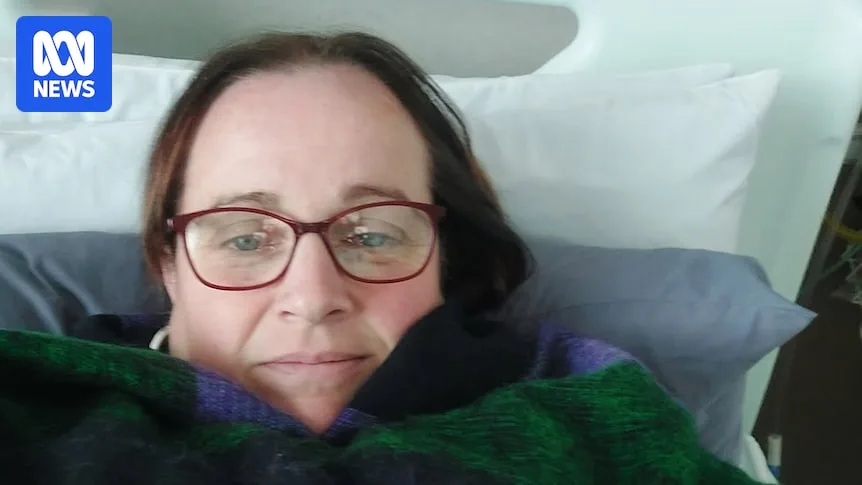
In this incident, a woman named Claire Munch, already flagged for her eating disorder and mental health history, received semaglutide (Wegovy) and tirzepatide (Mounjaro) based solely on an online questionnaire. This triggered a severe relapse, leading to hospitalization. While not illegal, her story underscores broader concerns from bodies like the Royal Australian College of General Practitioners (RACGP) about patient safety in online prescribing. This guide examines the science, risks, clinical guidelines, and strategies for safer use of GLP-1 medications, especially GLP-1 drugs and eating disorder risks.
Understanding GLP-1 Receptor Agonists
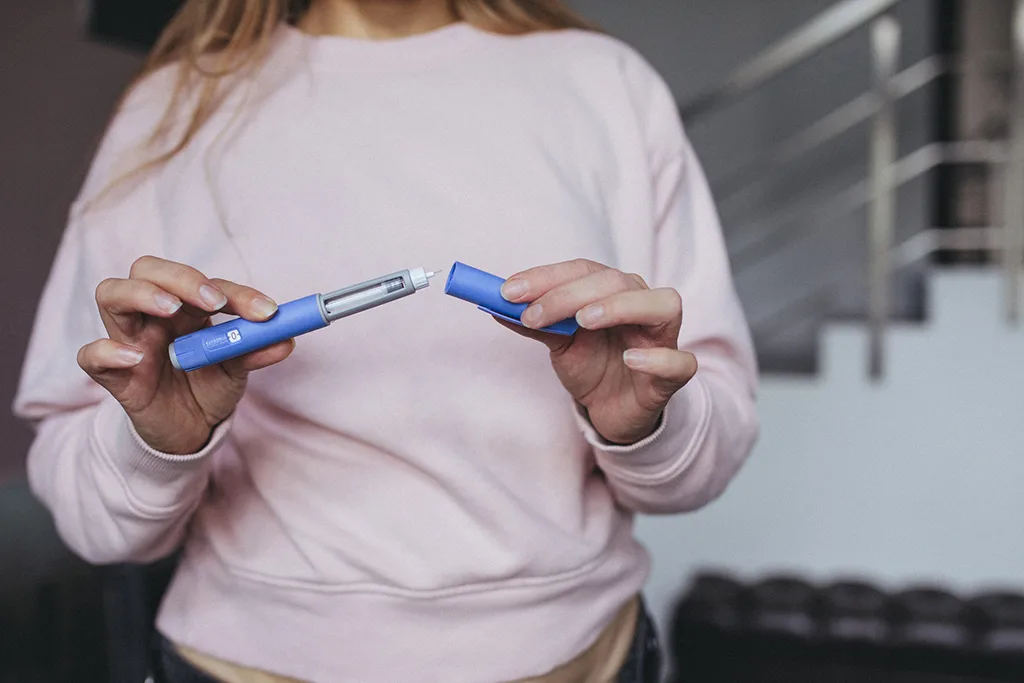
GLP-1 (glucagon-like peptide-1) agonists are injectable medications originally developed for type 2 diabetes but now widely used for weight management. They work by:
- Enhancing insulin secretion in response to meals, stabilizing blood sugar.
- Slowing gastric emptying, which prolongs fullness after eating.
- Acting on the brain's hypothalamus to reduce hunger signals.
Clinical trials like STEP for semaglutide (Wegovy) showed average weight loss of 15-20% over 68 weeks, while SURMOUNT trials for tirzepatide (Zepbound/Mounjaro) reported up to 22.5%. Dosing starts low—e.g., semaglutide at 0.25 mg weekly, titrating to 2.4 mg—to minimize side effects.
Key GLP-1 Medications
- Ozempic (semaglutide 0.5-2 mg): Diabetes-focused, off-label for weight loss.
- Wegovy (semaglutide up to 2.4 mg): FDA-approved for obesity (BMI ≥30 or ≥27 with comorbidities).
- Mounjaro/Zepbound (tirzepatide): Dual GLP-1/GIP agonist, superior weight loss in head-to-head studies.
These drugs are not quick fixes; they require lifestyle integration for sustained results.
The Connection Between GLP-1s and Eating Disorders
While GLP-1s excel at inducing satiety, their appetite-suppressing effects can exacerbate eating disorders like anorexia nervosa, bulimia, or binge eating disorder (BED). Mechanisms include:
GLP-1 receptors in the central nervous system modulate reward pathways, potentially intensifying obsessive thoughts about food restriction in vulnerable individuals.
The Therapeutic Goods Administration (TGA) has logged five eating disorder reports linked to GLP-1s: three with semaglutide (2023-2025), one dulaglutide (2018), and one exenatide (2012). Though few, underreporting is likely, as noted by the Department of Health. A 2023 study in JAMA flagged psychiatric risks, including depression and suicidal ideation, in 1-2% of users.
Case Study: Claire Munch's Experience
Ms. Munch, with disclosed eating disorder, depression, and PTSD history, was approved for Wegovy/Mounjaro via Juniper's BMI-based algorithm—no video consult. She relapsed severely, describing it as "the worst year of my life." Post-complaint, Juniper refunded her, apologized via Clinical Director Dr. Matt Vickers, and implemented changes like mandatory video calls (September 2023) and eating disorder training. Yet, she received ongoing promotions, reigniting trauma.
This illustrates how Ozempic eating disorder relapse risks amplify without holistic assessment.
Telehealth Prescribing: Convenience vs. Safety
Post-pandemic, telehealth GLP-1 prescriptions surged, with providers like Juniper (EUC Management) targeting women via streamlined quizzes. RACGP President Dr. Michael Wright emphasizes: "Patient safety must precede convenience." Concerns include:
Precision tracking for your journey
Join thousands using Shotlee to accurately track GLP-1 medications and side effects.
📱 Get the Shotlee App
Track your GLP-1 medications, peptides, and health metrics on the go with our mobile app!
- Inadequate screening: Questionnaires miss nuanced risks.
- Marketing aggressive: Discount codes and social ads target vulnerable users, bypassing laws.
- Fragmented care: No integration with primary GPs.
Dr. Terri-Lynne South, obesity specialist, notes these drugs' novelty demands long-term vigilance. RACGP advocates Medicare-aligned standards for all providers.
Clinical Guidelines for Safe Prescribing
AHPRA and Medical Board guidelines mandate video consultations for high-risk cases. Key recommendations:
- Screen thoroughly: Use tools like the SCOFF questionnaire for eating disorders.
- Contraindications: Avoid in active eating disorders; caution with history.
- Multidisciplinary approach: Involve dietitians, psychologists.
- Monitoring: Baseline mental health eval; monthly check-ins.
For Wegovy telehealth safety, prioritize in-person history review. Butterfly Foundation stresses accessible eating disorder supports.
Managing Side Effects and Risks
Common GLP-1 side effects—nausea (44%), diarrhea (30%)—fade with titration. Serious risks: gastroparesis, pancreatitis, thyroid tumors (black box). For eating disorders:
- Watch for hyper-restriction or binge rebound.
- Track nutrition: Apps like Shotlee help monitor symptoms, side effects, and intake alongside medication.
- Lifestyle synergy: Pair with 150 min/week exercise, protein-rich diet.
If relapse signs emerge (e.g., obsessive calorie counting), discontinue and seek therapy.
What Patients Should Know and Do
Red Flags in Telehealth
Beware BMI-only approvals or no mental health queries. Consult your GP first; disclose full history.
Empowering Safe Use
For eligible patients (no ED history, BMI criteria), start slow. Use tools like Shotlee for symptom logging to catch issues early. Combine with behavioral therapy—CBT shows 10-15% added weight loss.
Social media ads remain triggering; organizations like Eating Disorders Families Australia decry algorithm targeting.
Conclusion
GLP-1 drugs like Ozempic, Wegovy, and Mounjaro offer profound benefits for obesity but pose real GLP-1 eating disorder risks, as Claire Munch's case reveals. Telehealth must evolve with rigorous screening, video consults, and marketing restraint. Patients: Prioritize GPs, full disclosure, and monitoring. Regulators and providers must collaborate for equity. For sustainable metabolic health, evidence-based caution trumps haste—your safety comes first.