
Navigating the Landscape of GLP-1 Agonists for Weight Management
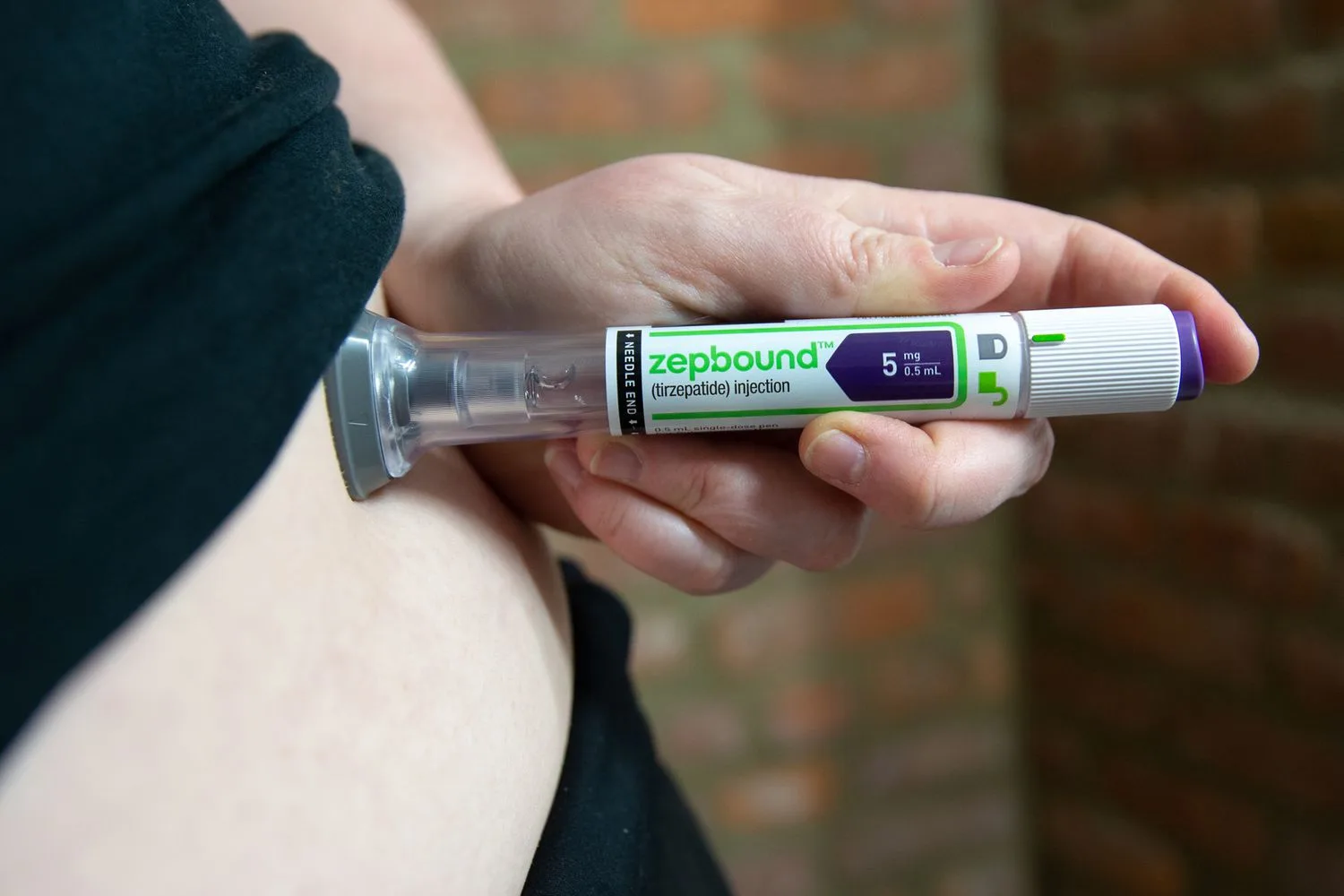
The advent of GLP-1 receptor agonists has revolutionized the approach to weight management and the treatment of type 2 diabetes. Medications like Ozempic (semaglutide), Wegovy (semaglutide), and Mounjaro (tirzepatide) have demonstrated remarkable efficacy in helping individuals achieve significant weight loss and improve metabolic health. However, as with any potent therapeutic intervention, understanding their potential risks, appropriate usage, and specific patient considerations is paramount. This article aims to demystify some of the most pressing questions surrounding these drugs, offering a clear, medically informed perspective for patients and healthcare providers alike.
Understanding GLP-1 Agonists: Mechanism and Applications
Glucagon-like peptide-1 (GLP-1) receptor agonists are a class of medications that mimic the action of the naturally occurring GLP-1 hormone. This hormone plays a crucial role in regulating blood glucose levels and appetite. By activating GLP-1 receptors, these drugs can:
- Stimulate insulin secretion from the pancreas in response to high blood glucose.
- Reduce glucagon secretion, which helps lower blood sugar.
- Slow down gastric emptying, promoting a feeling of fullness and satiety.
- Act on the brain to reduce appetite and food intake.
These multifaceted effects make GLP-1 agonists particularly effective for individuals struggling with obesity and type 2 diabetes. While initially developed for diabetes management, their profound impact on weight loss has led to their expanded use in obesity treatment, with specific formulations and dosages approved for this indication.
Addressing Key Patient Concerns: Age Limits and Suitability
A common question that arises when considering GLP-1 agonists for weight loss is whether there are specific age restrictions. It's important to note that the approved indications and prescribing guidelines for these medications are primarily based on clinical trial data and regulatory approvals, which often focus on adult populations.
For adult use: Most GLP-1 agonists are approved for adults with a body mass index (BMI) of 30 or higher, or a BMI of 27 or higher with at least one weight-related comorbidity (such as hypertension, dyslipidemia, or type 2 diabetes). The age range for these approvals typically starts from 18 years old.
Pediatric use: The use of GLP-1 agonists in adolescents and children is an evolving area. Some medications, like semaglutide (Wegovy), have received approval for use in adolescents aged 12 and older, under strict medical supervision and in conjunction with lifestyle modifications. However, it's crucial to consult with a pediatrician or endocrinologist to determine if these medications are appropriate for younger individuals, as their long-term effects in this demographic are still being studied.
Geriatric use: For older adults, the decision to prescribe GLP-1 agonists is individualized. While there isn't a strict maximum age limit, healthcare providers will carefully consider the patient's overall health, existing medical conditions, potential for drug interactions, and the risk of side effects such as dehydration and muscle loss. The benefits of weight loss must be weighed against these potential risks in this population.
Serious Long-Term Risks and Considerations for GLP-1 Agonist Therapy
While GLP-1 receptor agonists offer significant benefits, it's crucial to be aware of potential long-term risks. These are important considerations for all patients, including those in India and globally, embarking on this therapy:
Gastrointestinal Disturbances
The most frequently reported side effects are gastrointestinal in nature. These can include nausea, vomiting, diarrhea, constipation, and abdominal pain. A significant concern is delayed gastric emptying, which can lead to reduced nutrient absorption and potential nutritional deficiencies if not managed carefully. Persistent or severe gastrointestinal symptoms may necessitate dose adjustments or discontinuation of the medication.
Gallstones and Gallbladder Disease
Rapid weight loss, often achieved with GLP-1 agonists, is a known risk factor for developing gallstones and gallbladder disease. Patients taking these medications should be monitored for symptoms such as severe abdominal pain, especially after meals, and may require further investigation or management if gallstones are detected.
Precision tracking for your journey
Join thousands using Shotlee to accurately track GLP-1 medications and side effects.
📱 Get the Shotlee App
Track your GLP-1 medications, peptides, and health metrics on the go with our mobile app!
Pancreatitis Risk
While rare, there is a potential increased risk of pancreatitis (inflammation of the pancreas), particularly in individuals with pre-existing risk factors for this condition. Symptoms of pancreatitis can include severe abdominal pain that radiates to the back, nausea, and vomiting. Prompt medical attention is required if these symptoms occur.
Thyroid C-Cell Tumors
Preclinical studies in rodents have shown an increased risk of thyroid C-cell tumors with GLP-1 agonists. However, the relevance of these findings to humans is still under investigation, and the risk in humans is considered to be low. Individuals with a personal or family history of medullary thyroid carcinoma or multiple endocrine neoplasia syndrome type 2 (MEN 2) should discuss this risk thoroughly with their healthcare provider before starting treatment.
Muscle Loss and Fatigue
Significant appetite suppression can lead to unintended muscle loss and fatigue, especially if dietary protein intake is insufficient to support muscle mass. This is a critical concern, as maintaining muscle mass is vital for overall health, metabolism, and functional capacity. Patients are strongly advised to focus on adequate protein intake and incorporate resistance training into their exercise regimen.
Micronutrient Deficiencies
Due to reduced oral intake and potential changes in nutrient absorption, there is a risk of developing micronutrient deficiencies. A balanced diet rich in vitamins and minerals, and potentially supplementation, may be necessary. Regular monitoring of nutritional status can help identify and address any deficiencies early on.
Dehydration and Kidney Function
Reduced oral intake, coupled with potential gastrointestinal side effects like vomiting or diarrhea, can increase the risk of dehydration. Maintaining adequate fluid intake is crucial. Healthcare providers will assess kidney function before and during treatment, as dehydration can exacerbate existing kidney issues or lead to acute kidney injury in susceptible individuals.
Practical Considerations for Patients on GLP-1 Therapy
Successfully managing weight loss with GLP-1 agonists involves more than just taking the medication. A holistic approach is essential:
- Lifestyle Modifications: These drugs are most effective when combined with a healthy, balanced diet and regular physical activity.
- Nutritional Guidance: Focus on nutrient-dense foods, particularly adequate protein intake, to preserve muscle mass and prevent deficiencies.
- Hydration: Drink plenty of water throughout the day to prevent dehydration.
- Symptom Monitoring: Be vigilant about any new or worsening symptoms and report them to your healthcare provider immediately.
- Regular Check-ups: Attend all scheduled appointments for monitoring of weight, blood pressure, kidney function, and overall health.
Tools like Shotlee can be invaluable for patients on GLP-1 therapy. By tracking medication doses, symptom occurrences, and daily intake, individuals can gain better insights into their treatment journey and share this data with their healthcare team for more informed adjustments and personalized care.
Comparison of Key GLP-1 Agonists (Illustrative)
While specific drug comparisons can be complex and depend on individual patient profiles, the following table offers a general overview of some prominent GLP-1 receptor agonists used for weight management. It's crucial to remember that this is not exhaustive and should not replace a discussion with a healthcare professional.
| Medication | Active Ingredient | Primary Approved Indications | Common Weight Loss Efficacy (Approximate % Weight Loss) | Administration Frequency |
|---|---|---|---|---|
| Ozempic | Semaglutide | Type 2 Diabetes, Chronic Weight Management (Wegovy is the brand for weight management) | 10-15% (as Wegovy) | Once weekly |
| Wegovy | Semaglutide | Chronic Weight Management | 10-15% | Once weekly |
| Mounjaro | Tirzepatide | Type 2 Diabetes (also showing significant weight loss results) | 15-20%+ (in clinical trials for obesity) | Once weekly |
Note: Weight loss percentages are approximate and can vary significantly based on individual factors, dosage, duration of treatment, and adherence to lifestyle modifications. Mounjaro is approved for Type 2 Diabetes, but its weight loss effects are substantial and widely discussed in the context of obesity.
Conclusion: A Balanced Approach to GLP-1 Therapy
GLP-1 receptor agonists represent a significant advancement in the treatment of obesity and type 2 diabetes, offering a powerful tool for individuals seeking to improve their health and well-being. However, their use requires a comprehensive understanding of potential benefits, risks, and individualized care. By staying informed, maintaining open communication with healthcare providers, and adopting a holistic approach that includes lifestyle modifications, patients can navigate their GLP-1 therapy journey safely and effectively. Continuous monitoring and personalized adjustments, potentially aided by health tracking tools, are key to maximizing outcomes and minimizing risks.