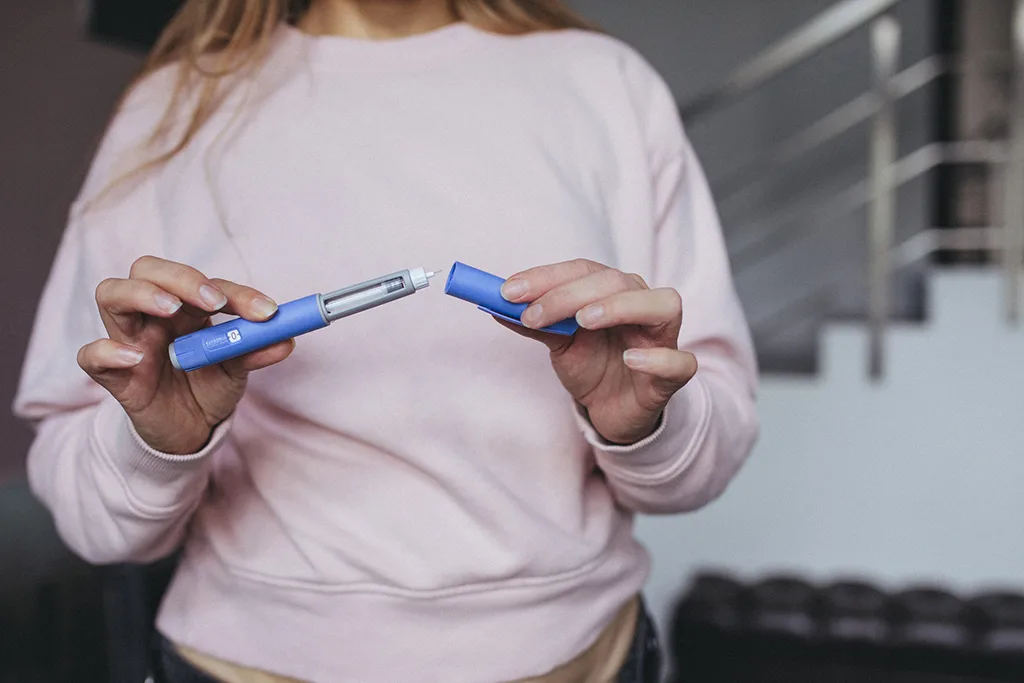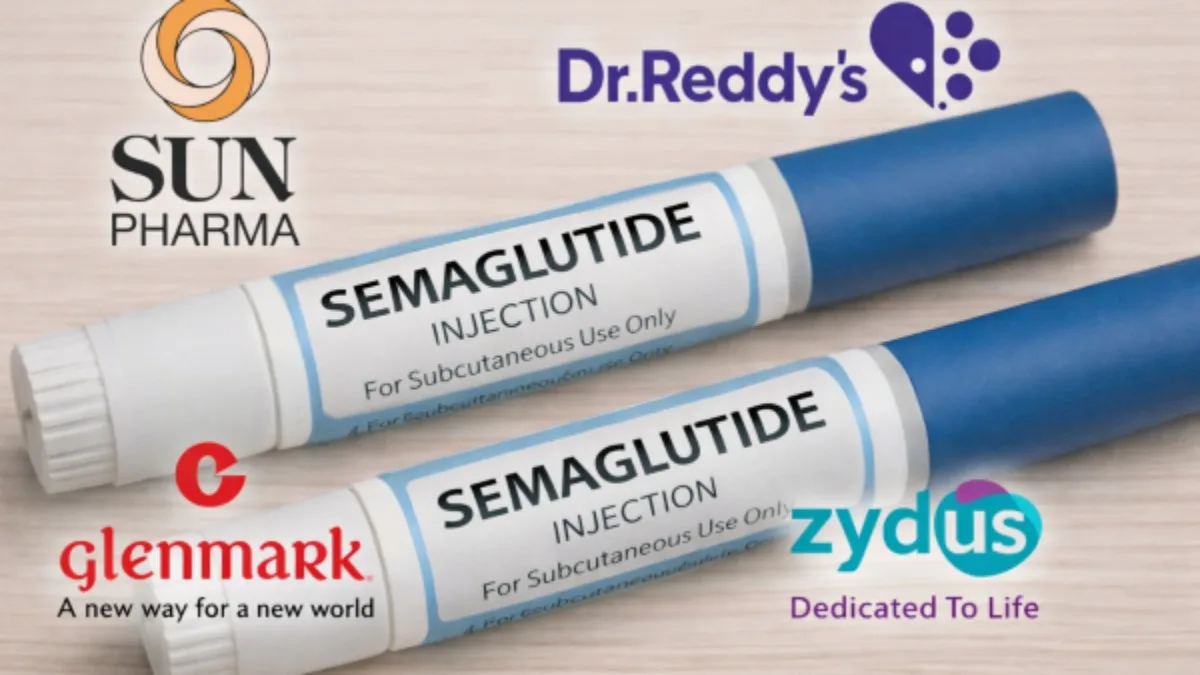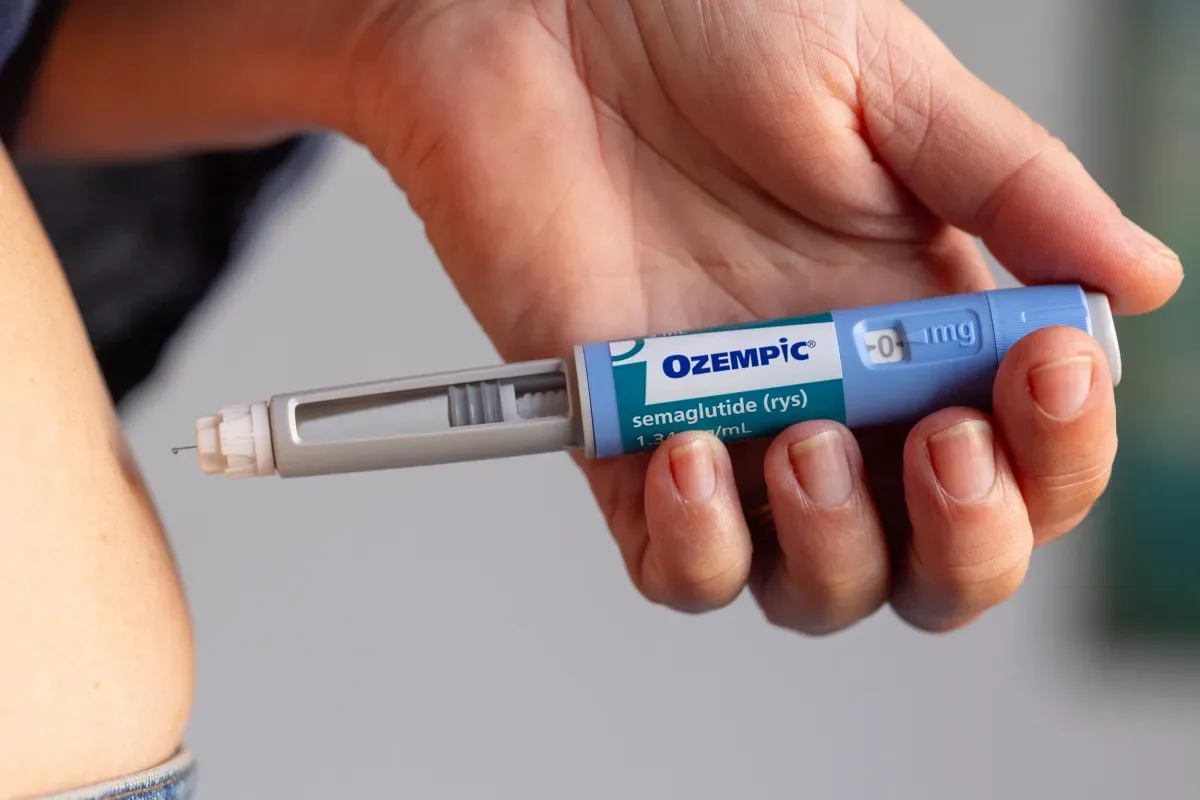

Semaglutide, the popular GLP-1 receptor agonist used for managing type 2 diabetes and obesity, is at the center of a competitive push in India. Glenmark Pharmaceuticals is set to join Sun Pharmaceuticals, Dr Reddy's Laboratories, and Zydus Lifesciences in introducing cut-price versions of this drug later this month. This development escalates competition in the rapidly growing anti-diabetes and obesity market, driven by the impending expiry of the Indian patent for semaglutide on March 21.
What is Semaglutide and How Does It Work?
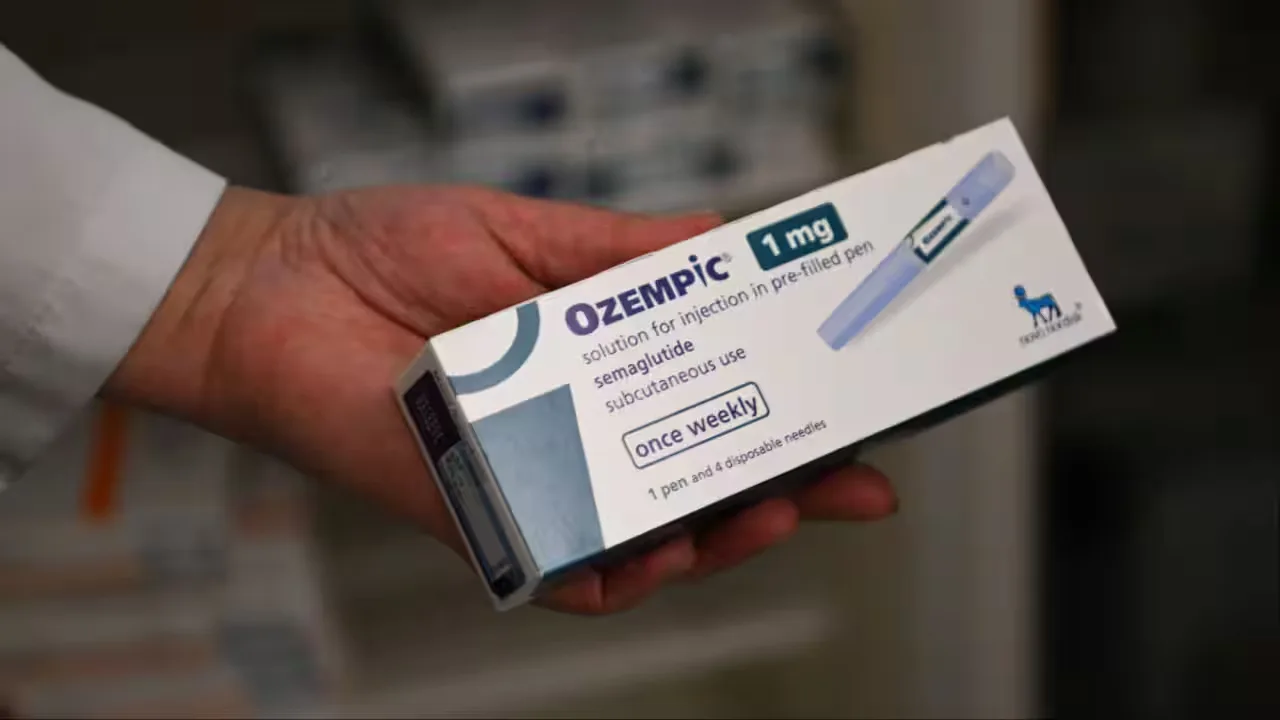
Semaglutide belongs to the class of GLP-1 receptor agonists, medications that mimic the glucagon-like peptide-1 hormone. This hormone plays a key role in blood sugar regulation by stimulating insulin release, suppressing glucagon, and slowing gastric emptying, which promotes satiety and weight loss. Originally developed by Danish drugmaker Novo Nordisk and marketed globally as Ozempic for diabetes and Wegovy for obesity, semaglutide has shown significant benefits in glycemic control and cardiovascular risk reduction in clinical trials.
In India, where diabetes affects over 100 million people and obesity impacts a similar number, affordable access to such therapies is crucial. The drug's once-weekly injection format improves patient adherence compared to daily oral alternatives, making it a preferred choice for long-term metabolic management.
Glenmark's Strategic Entry into Semaglutide Market
Glenmark plans to sell its semaglutide product at "much lower than half" the price of innovator brands, with industry estimates pegging generic versions at ₹3,000-5,000 per month. This compares to ₹8,800-16,000 for brands like Ozempic and Wegovy, depending on dosage. The company may license the drug from a partner holding regulatory approvals in India, streamlining its market entry.
To stand out in the crowded generics space, Glenmark has prepared a comprehensive patient support program. This initiative goes beyond mere drug sales, offering resources for adherence, education, and monitoring—potentially including tools like apps for tracking symptoms or medication schedules, similar to platforms such as Shotlee.
Broadening the Treatment Approach
Unlike competitors focusing solely on endocrinology, Glenmark plans to target a wider spectrum: heart health, diabetes, obesity, and renal health. Obesity is a known direct cause of renal dysfunction, and semaglutide's weight-loss effects could indirectly benefit kidney function by reducing metabolic strain. This holistic strategy aligns with the interconnected nature of cardiometabolic diseases.
Patent Expiry Opens Floodgates for Indian Drugmakers
The Indian patent for semaglutide expires on March 21, paving the way for at least six leading local drugmakers to compete. This timing coincides with surging demand, fueled by global hype around GLP-1 drugs for weight management. A senior Glenmark executive hinted during an investor call last November at plans to launch GLP-1 agonists, drugs that slow stomach emptying to aid diabetes and obesity control.
Glenmark is expected to leverage the success of its existing anti-diabetes drug Lirafit, a liraglutide brand launched in India in 2024. Lirafit, another GLP-1 agonist, provides a foundation for cross-promotion and physician familiarity.
Precision tracking for your journey
Join thousands using Shotlee to accurately track GLP-1 medications and side effects.
📱 Get the Shotlee App
Track your GLP-1 medications, peptides, and health metrics on the go with our mobile app!
India's Massive Market Opportunity
India is home to more than 100 million diabetes patients and an equal number suffering from obesity. Projections from The Lancet indicate that by 2050, the country could have over 450 million obesity patients, underscoring the urgent need for cost-effective treatments. Generic semaglutide could dramatically improve access, potentially preventing complications like heart disease, stroke, and kidney failure.
Competitive Landscape: Novo Nordisk vs. Eli Lilly and Local Players
Novo Nordisk sells Ozempic and Wegovy, with its Pune-based partner Emcure marketing it as Poviztra in India. However, global rival Eli Lilly has gained ground with Mounjaro (tirzepatide), a dual GLP-1/GIP agonist allied with Cipla for the second brand Yurpeak. Sales data highlights the market's potential: Cipla's Yurpeak generated about ₹33 crore in the two months till January, while Novo's semaglutide brands (Wegovy and Ozempic) totaled ₹80 crore.
| Brand | Company | Approx. Monthly Price (₹) |
|---|---|---|
| Ozempic/Wegovy | Novo Nordisk/Emcure | 8,800-16,000 |
| Mounjaro/Yurpeak | Eli Lilly/Cipla | Innovator pricing |
| Glenmark Semaglutide | Glenmark | 3,000-5,000 (est.) |
Tirzepatide offers potentially greater weight loss than semaglutide in head-to-head studies, but semaglutide's established safety profile and upcoming generics make it highly competitive.
Safety Considerations and Patient Guidance for Semaglutide
While effective, semaglutide carries risks like nausea, vomiting, diarrhea, and rare thyroid tumors in animal studies. Patients with a history of medullary thyroid carcinoma or multiple endocrine neoplasia should avoid it. Common side effects often diminish over time, but monitoring for pancreatitis or gallbladder issues is advised.
Who should consider semaglutide? Adults with type 2 diabetes not controlled by metformin or lifestyle changes, or those with obesity (BMI ≥30, or ≥27 with comorbidities). Always consult a physician to assess suitability, starting at low doses (e.g., 0.25mg weekly) and titrating up. Discuss renal function, as obesity-linked kidney issues are prevalent in India.
What This Means for Patients and Key Takeaways
- Glenmark's affordable semaglutide (₹3,000-5,000/month) will join peers like Sun Pharma, Dr Reddy's, and Zydus post-March 21 patent expiry.
- Patient support programs enhance adherence in India's 200M+ diabetes/obesity population.
- Broad focus on heart, diabetes, obesity, and renal health addresses interconnected risks.
- Compared to innovators (₹8,800+), generics cut costs in half, improving access amid 450M projected obesity cases by 2050.
- Leveraging Lirafit success, Glenmark differentiates in a market where Cipla's tirzepatide hit ₹33cr sales quickly.
Actionable Insights: If managing diabetes or obesity, discuss generic semaglutide options with your doctor post-launch. Track side effects and progress with reliable tools to optimize therapy.
Conclusion
Glenmark's semaglutide launch marks a pivotal moment for affordable GLP-1 therapy in India, benefiting millions amid fierce competition. By preserving access to proven treatments like Ozempic equivalents, this shift supports better metabolic health outcomes. Stay informed on regulatory approvals and consult healthcare providers for personalized advice.