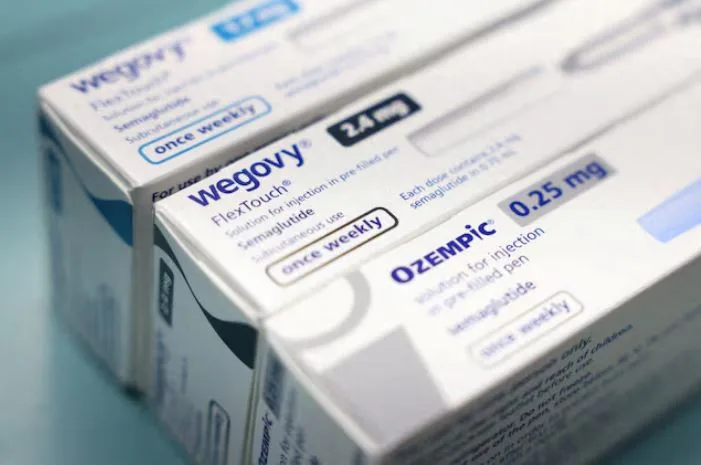

FDA Proposes Major Shift in Weight-Loss Drug Compounding
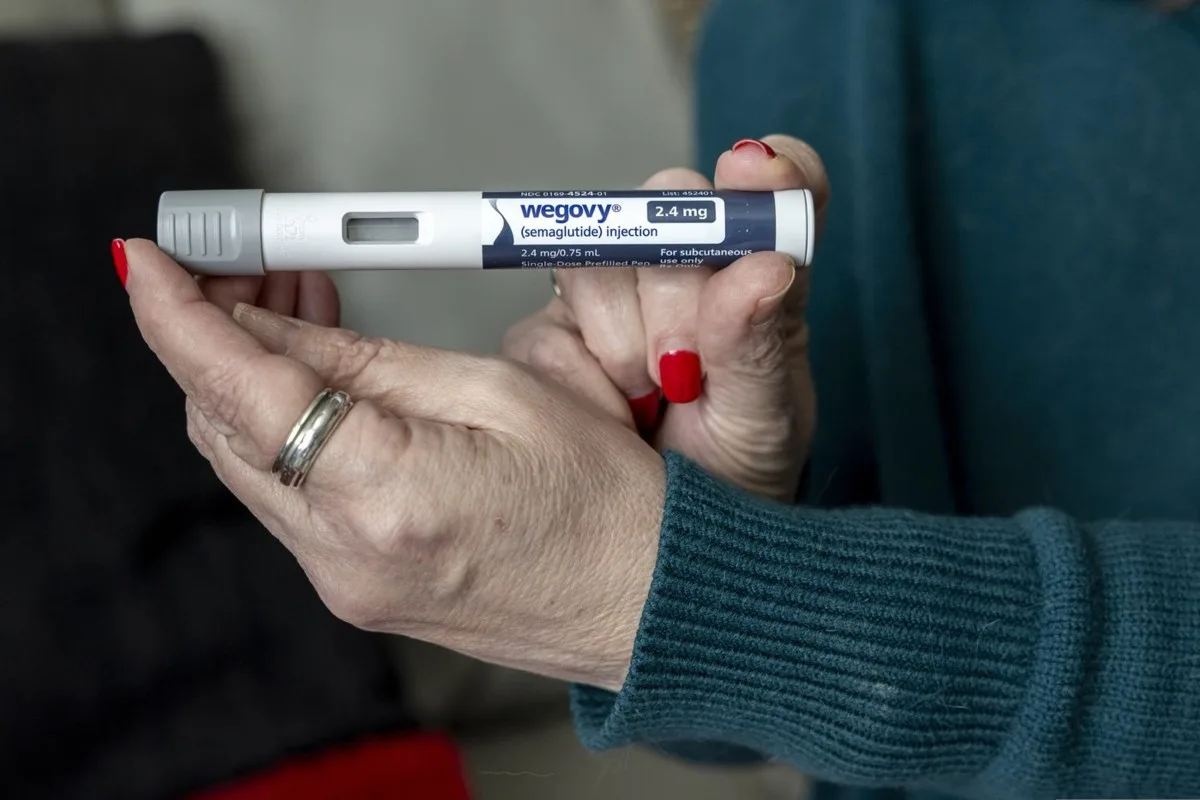
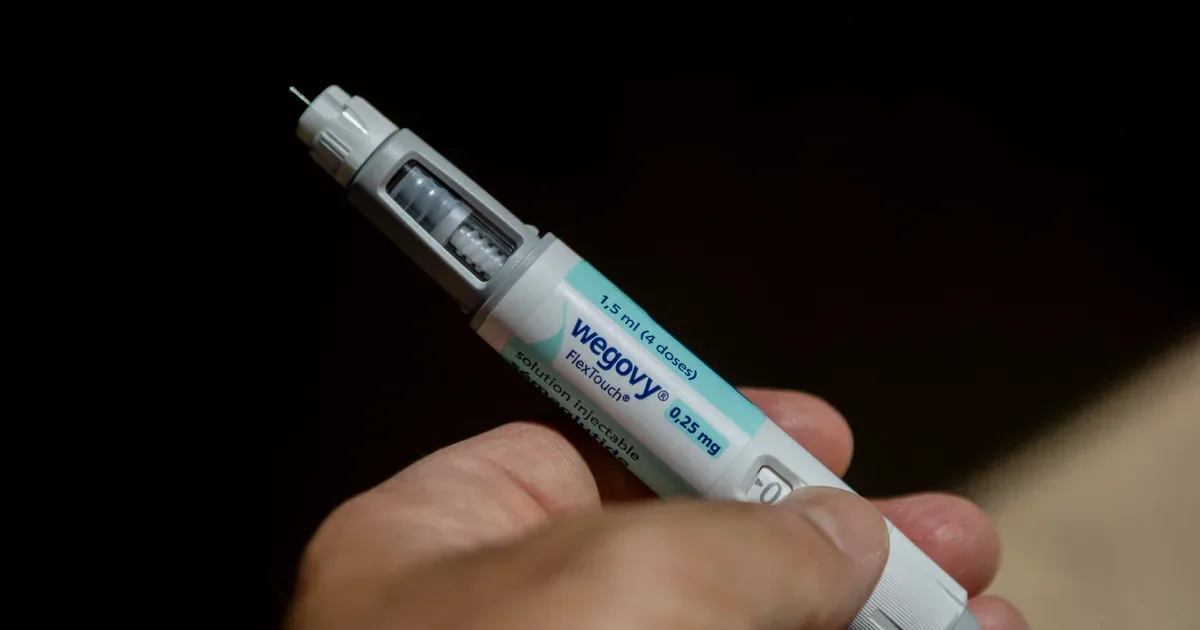
The U.S. Food and Drug Administration (FDA) has taken a pivotal step that could significantly alter how popular weight-loss medications are produced and accessed. In a recent proposal, the FDA suggested removing Novo Nordisk's semaglutide (the active ingredient in Ozempic and Wegovy) and Eli Lilly's tirzepatide (the active ingredient in Mounjaro and Zepbound) from a critical list that permits outsourcing facilities to compound them in bulk. This move, if finalized, would effectively limit large-scale, unauthorized production of these highly sought-after drugs.
The proposal also includes liraglutide, another weight-loss medication from Novo Nordisk. This action by the FDA is a direct response to the burgeoning market for these medications, which have seen unprecedented demand for weight management and, in the case of Ozempic and Mounjaro, for diabetes treatment. The agency's stance appears to prioritize the integrity of the FDA-approved drug supply chain and protect patients from potentially substandard or unproven compounded versions.
Understanding Drug Compounding and Its Role
Drug compounding is a practice where a licensed pharmacist or physician combines, mixes, or alters ingredients to create a medication tailored to an individual patient's needs. This can involve adjusting dosages, creating alternative formulations (like liquids or creams), or preparing medications when a commercially available version is unavailable due to shortages.
There are two primary pathways for compounding under FDA regulation:
- Section 503A: This section allows state-licensed physicians and pharmacists to compound medications for individual patients based on a prescription. This is typically done for specific patient needs, such as allergies to inactive ingredients in a standard drug or when a unique dosage is required.
- Section 503B: This section permits FDA-regulated outsourcing facilities to compound medications in bulk for healthcare providers. These facilities operate under stricter FDA oversight and can produce larger quantities of compounded drugs, often without patient-specific prescriptions, for distribution to hospitals and clinics.
Compounding, particularly through 503B facilities, has become a significant avenue for accessing certain medications, especially as demand for weight-loss drugs like those containing semaglutide and tirzepatide has surged. However, this practice has also raised concerns about the quality, safety, and efficacy of compounded versions compared to FDA-approved medications.
The FDA's Rationale: Clinical Need and Drug Approvals
The FDA's proposal stems from its review of nominations for the 503B bulk drug list. This list identifies active pharmaceutical ingredients that outsourcing facilities can use for compounding. The agency stated that it found no clinical need for outsourcing facilities to compound semaglutide and tirzepatide from bulk drug substances.
This declaration is crucial. It suggests that the FDA believes these drugs are readily available through their approved channels, and there isn't a demonstrated patient care gap that necessitates bulk compounding by these facilities. Eli Lilly, a spokesperson stated, "That means there is no basis for compounders to make tirzepatide knockoffs." Similarly, Novo Nordisk commented, "The agency's notice today reaffirms that compounding is meant to be a rare and limited exception to FDA's gold-standard drug approval framework."
By proposing to exclude these specific ingredients from the 503B list, the FDA aims to reinforce its established drug approval process, which involves rigorous testing for safety, efficacy, and quality. This could help protect patients from potentially less regulated or unproven compounded alternatives that might not meet the same high standards.
Impact on Telehealth and Accessibility
The proposed changes could have a notable impact on telehealth companies that have integrated compounded versions of these popular weight-loss drugs into their service offerings. Many of these firms rely on 503B outsourcing facilities to produce these medications at scale, making them more accessible and potentially more affordable for a wider patient base.
However, some telehealth providers have indicated that the operational impact might be minimal. A spokesperson for Hims & Hers stated that the company does not expect any disruption, clarifying that "There are no GLP-1s compounded by 503B facilities accessible through our platform, and 503B facilities should not currently be compounding GLP-1s because they are not in shortage." This suggests that many telehealth platforms primarily utilize 503A pharmacies for patient-specific compounded prescriptions, rather than relying on 503B facilities for bulk GLP-1 compounding.
Precision tracking for your journey
Join thousands using Shotlee to accurately track GLP-1 medications and side effects.
📱 Get the Shotlee App
Track your GLP-1 medications, peptides, and health metrics on the go with our mobile app!
Rosalie Hoyle, a research scientist at health consultancy Avalere, echoed this sentiment, noting that most telehealth companies use 503A pharmacies. Therefore, the exclusion from the 503B bulk list might not significantly alter the current compounding landscape for GLP-1 drugs.
Manufacturers' Perspective and Market Implications
For pharmaceutical giants like Novo Nordisk and Eli Lilly, this FDA proposal is a welcome development. Their blockbuster drugs, Ozempic, Wegovy, Mounjaro, and Zepbound, have faced competition from compounded versions, which, while sometimes cheaper, may not offer the same guaranteed quality or efficacy. Unauthorized compounding can also dilute the market and potentially impact sales of the original, FDA-approved medications.
The news was met with positive market reactions, with U.S.-listed shares of Novo Nordisk rising nearly 6% and Eli Lilly surging over 10% in afternoon trading following the announcement. This suggests that investors view the FDA's proposal as a significant win for these manufacturers, potentially safeguarding their market share and revenue streams.
The FDA's action underscores a broader effort to ensure that patients have access to safe, effective, and high-quality medications. By focusing on the clinical need for compounding and reinforcing the importance of the FDA's drug approval process, the agency aims to maintain public trust and protect patient health.
Navigating Your Weight Management Journey with Shotlee
For individuals managing their weight or dealing with conditions like type 2 diabetes, staying informed about medication access and treatment options is crucial. Whether you are prescribed an FDA-approved medication like Wegovy or Mounjaro, or exploring other therapeutic avenues, consistent health tracking is key to understanding your progress and communicating effectively with your healthcare provider.
Tools like Shotlee can be invaluable in this process. By allowing you to meticulously track your medication doses, monitor symptoms, record side effects, and log lifestyle changes, Shotlee provides a comprehensive overview of your health journey. This data can help you and your doctor make informed decisions about your treatment plan, ensuring it remains effective and well-tolerated. For example, if you experience new or worsening symptoms, having detailed records can help pinpoint potential causes, whether related to medication, diet, or other factors. Similarly, tracking adherence to your prescribed regimen is vital for achieving optimal outcomes, especially with medications that require precise dosing and timing.
Key Takeaways and Next Steps
The FDA's proposed exclusion of semaglutide and tirzepatide from the 503B bulk compounding list signifies a potential shift in the accessibility of these weight-loss drugs. While the immediate impact on all telehealth services may be limited, the move aims to bolster the integrity of the FDA-approved drug supply chain and protect patients.
Here's a brief summary of what this means:
- Reduced Large-Scale Compounding: Outsourcing facilities will likely face restrictions in producing semaglutide and tirzepatide in bulk for broader distribution.
- Focus on FDA-Approved Versions: The proposal reinforces the importance of using FDA-approved medications, which have undergone rigorous testing.
- Telehealth Adaptation: Telehealth firms may need to ensure their compounding practices align with the FDA's updated guidance.
- Manufacturer Support: The move is seen as a positive step for Novo Nordisk and Eli Lilly, potentially protecting their market share.
The FDA has opened a public comment period on this proposal, which will last until June 29. Following this period, the agency will issue its final decision. Patients and healthcare providers should stay informed about these developments and discuss any concerns with their prescribing physician.
Conclusion
The FDA's proposed curbs on the mass compounding of semaglutide and tirzepatide represent a significant regulatory development in the rapidly evolving landscape of weight-loss medications. By emphasizing the lack of clinical necessity for bulk compounding and prioritizing the established FDA approval process, the agency aims to ensure patient safety and uphold the integrity of approved pharmaceutical products. While this may lead to adjustments for some telehealth providers and impact the availability of certain compounded alternatives, it ultimately serves to reinforce the rigorous standards that govern the medications millions rely on for their health and well-being. As the FDA moves towards a final decision, staying informed and maintaining open communication with healthcare providers remains paramount for individuals navigating their treatment journeys.