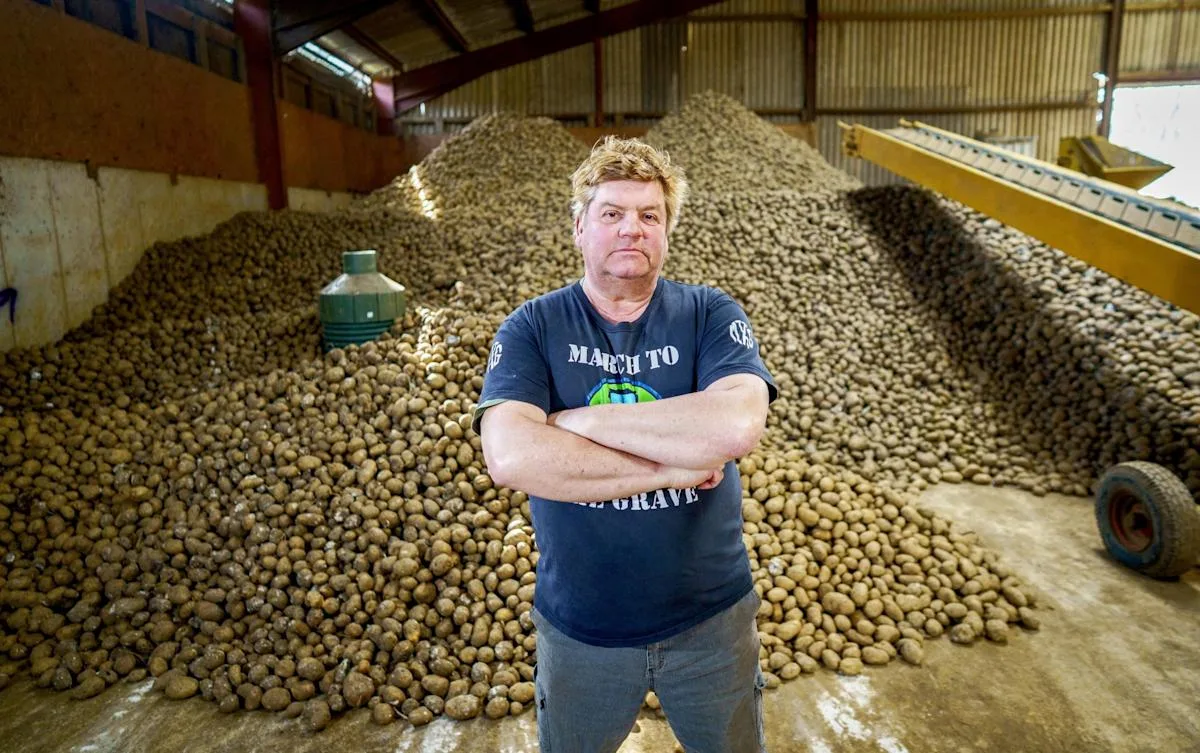

Farmer Blames Ozempic, Mounjaro for 'Potato Mountain' Surplus
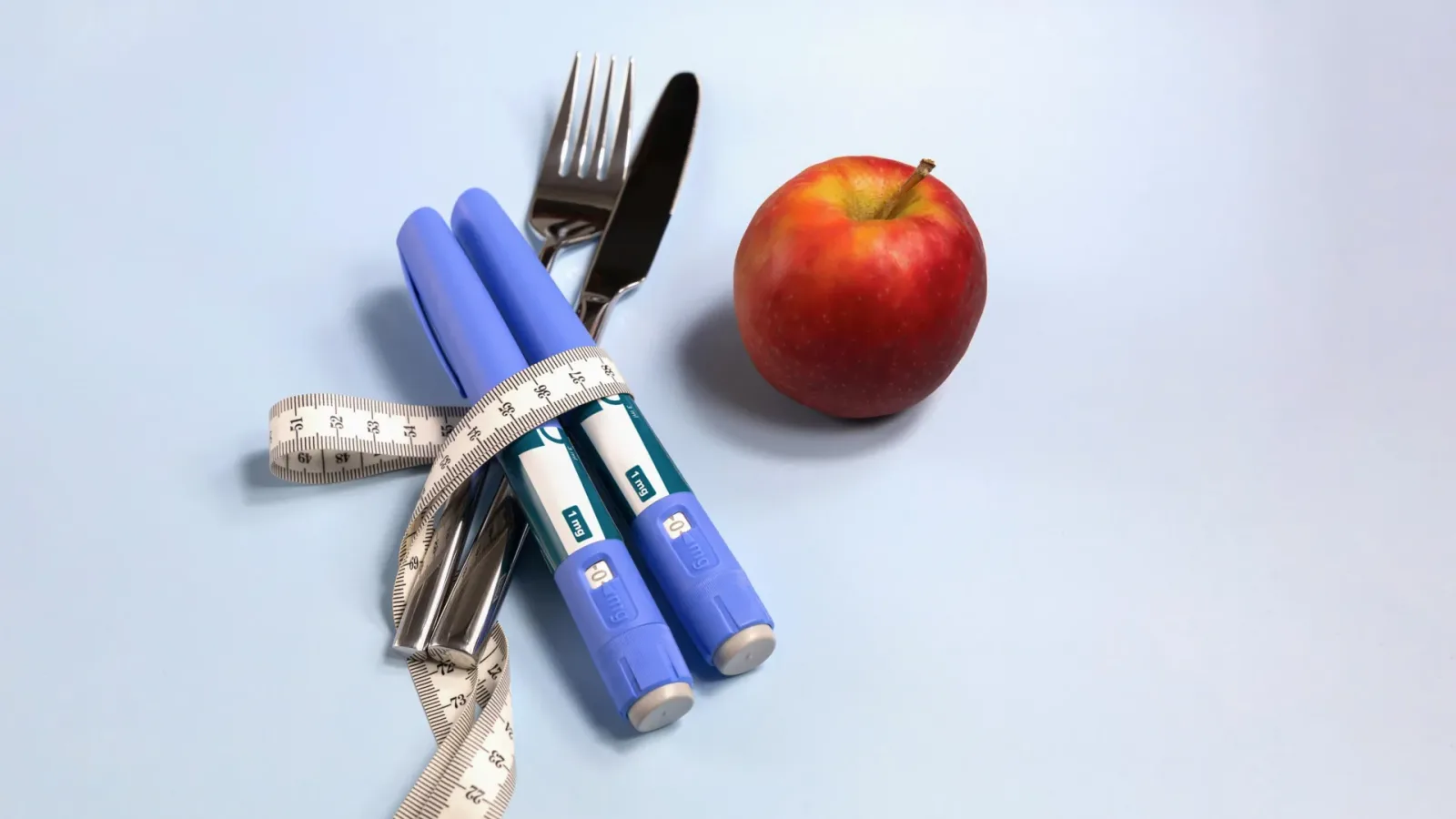
In a striking example of how GLP-1 medications like Ozempic and Mounjaro are reshaping everyday eating habits, a 65-year-old Lincolnshire farmer has pinpointed these weight-loss jabs as the culprit behind a massive potato surplus he can't sell. Andy Goodacre's story highlights the unintended ripple effects of these popular drugs on the food supply chain, from farms to fish-and-chip shops.
The Farmer's Predicament: A 'Potato Mountain' at Risk
Andy Goodacre, who has grown potatoes for 40 years supplying major buyers like McCain chips and Seabrooks crisps, is facing an unprecedented crisis. More than £120,000 worth of his finest Lincolnshire-grown potatoes—roughly 600 tons—are at risk of being dumped. This year, without a contract renewal from McCain, orders dried up entirely.
"For 40 years I've grown potatoes for McCain chips and Seabrooks, but their contract got a bit tighter. This year we didn't sign any contract and now we can't get any orders," Goodacre said.
His top five varieties sit in storage since October, typically viable for six months until early April. In a normal year, they'd fetch £200 per tonne (£120,000 total), or up to £300 per tonne in peak times. Without buyers, Goodacre prefers donating to food banks if collection is feasible; otherwise, they may end up as cattle feed.
Linking the Surplus to Ozempic and Mounjaro: Reduced Appetite Demand
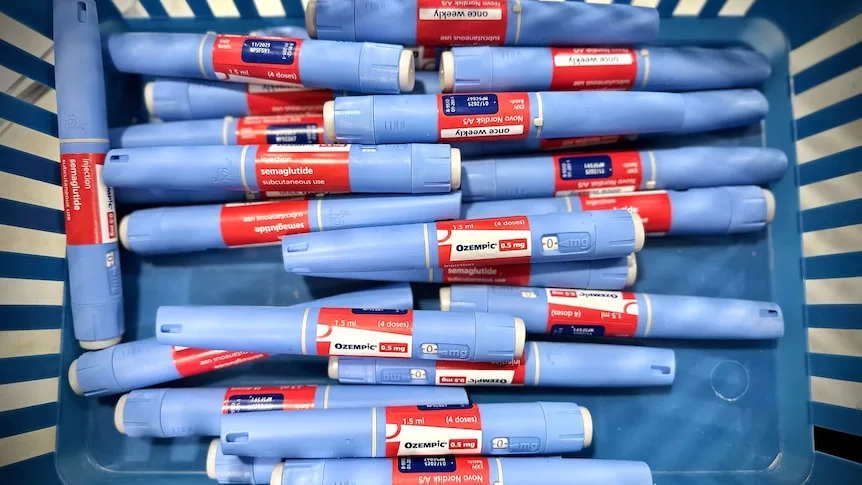
Goodacre attributes the slump to surging use of weight-loss jabs such as Mounjaro (tirzepatide) and Ozempic (semaglutide), alongside healthy lifestyle trends. "We've been left with a potato mountain we can't shift. I've never known a season like it," he explained, citing carryover stock from last year depressing prices, plus shifting consumer habits.
Local observations back this: "We've spoken to fish-and-chip shop owners and people are buying a fish and one bag between each other rather than having two bags. The fat jab is stopping people's appetite, they are eating less. There's tens of thousands of people on them." In his small village, he knows many users, noting, "It definitely has an effect. There's less demand now because of them. It doesn't seem as though people want to eat like they used to." He even quipped about trends like lentil crisps as 'healthier' alternatives.
How GLP-1 Medications Like Ozempic and Mounjaro Suppress Appetite
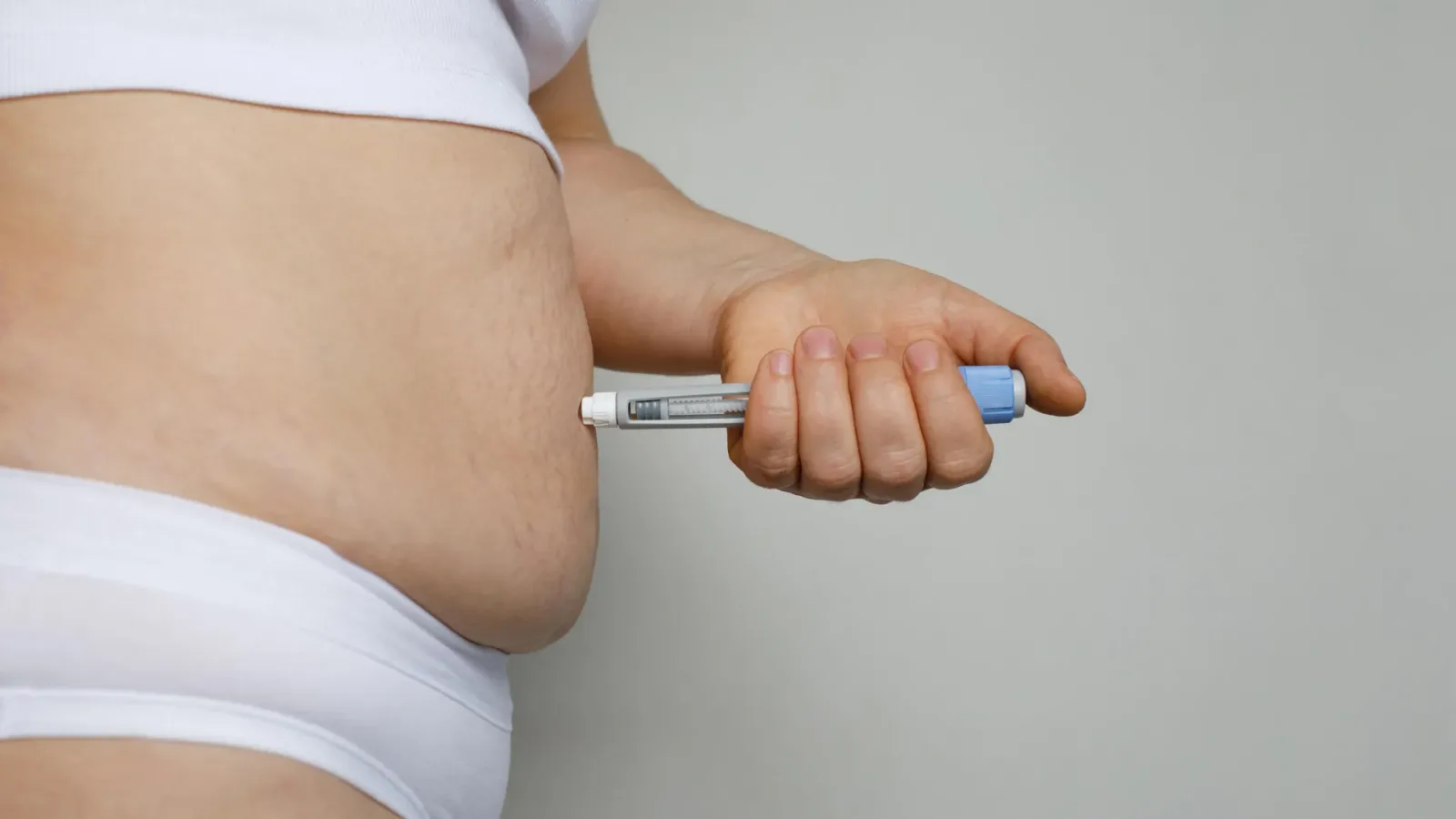
To understand the connection, consider the mechanism of these GLP-1 receptor agonists. Ozempic, containing semaglutide, and Mounjaro, with tirzepatide (a dual GLP-1/GIP agonist), mimic gut hormones that regulate blood sugar and hunger signals. They slow gastric emptying, signal fullness to the brain, and reduce overall calorie intake—often by 20-30% in clinical use.
This leads to meaningful weight loss (15%+ body weight in trials) but also cuts consumption of high-carb foods like potatoes, fries, and crisps. Patients report smaller portions and fewer snacks, directly impacting staples in the UK diet like fish and chips.
Precision tracking for your journey
Join thousands using Shotlee to accurately track GLP-1 medications and side effects.
📱 Get the Shotlee App
Track your GLP-1 medications, peptides, and health metrics on the go with our mobile app!
Clinical Background: Why This Matters for Food Consumption
Studies on GLP-1 drugs show consistent appetite suppression, with users prioritizing protein and veggies over carbs. This shift, combined with cost-of-living pressures, amplifies demand drops for potato-heavy products. Goodacre's experience underscores a broader trend: as adoption grows (millions worldwide), traditional crops face oversupply risks.
Impact on Fish-and-Chip Shops and the Wider Industry
Andrew Crook, 50, president of the National Federation of Fish Friers and owner of Skippers of Euxton in Chorley, Lancashire since 2007, confirms the effects. "There's definitely a cost-of-living thing with businesses watching their portion size, which can be a huge volume of potatoes lost nationally. But then there's definitely a fat-jab factor to it."
Crook notes customers losing weight and eating less per sitting: "Many people I speak to are on a fat jab, I see a lot of my customers have lost weight. People don't eat as much in one sitting." He warns of long-term consequences: "If farmers don't make money on potatoes this year the 2027 crop might not be enough as they might plant other crops." Early-week slowdowns and portion control exacerbate the issue, with stored potatoes becoming valueless by June or July.
Comparisons to Alternatives
Unlike intermittent fasting or keto diets, GLP-1 drugs provide pharmacological appetite control without willpower alone, leading to sustained reductions in carb intake. This differs from temporary trends, posing ongoing challenges for potato-dependent sectors versus more resilient protein markets.
Safety Considerations and Patient Guidance
While effective, Ozempic and Mounjaro carry side effects like nausea, which further curbs eating. Patients should discuss dietary shifts with doctors, monitoring nutrition to avoid deficiencies. Tools like Shotlee can help track symptoms, side effects, or medication schedules amid changing appetites.
Who might consider these? Those with obesity or type 2 diabetes, under medical supervision. Always weigh benefits against industry-wide ripples like Goodacre's surplus.
Key Takeaways: What This Means for Patients, Farmers, and the Food Chain
- GLP-1 Impact: Ozempic and Mounjaro reduce potato and chip demand via appetite suppression.
- Farmer's Loss: 600 tons (£120k) at risk for Andy Goodacre due to no McCain orders.
- Industry Echo: Fish friers report smaller portions, weight loss in customers.
- Future Risks: Potential crop shifts by 2027 if trends persist.
- Actionable Insight: Support local farmers; patients, balance nutrition on GLP-1 therapy.
Conclusion: Balancing Health Wins with Economic Realities
Andy Goodacre's 'potato mountain' illustrates how Ozempic and Mounjaro's success in metabolic health collides with agriculture. While patients benefit from weight loss and better habits, stakeholders must adapt. Discuss GLP-1 options with your doctor, and consider the full picture—from personal health to potato fields.