
The GLP-1 Gold Rush: Eli Lilly Surpasses Ozempic's Maker
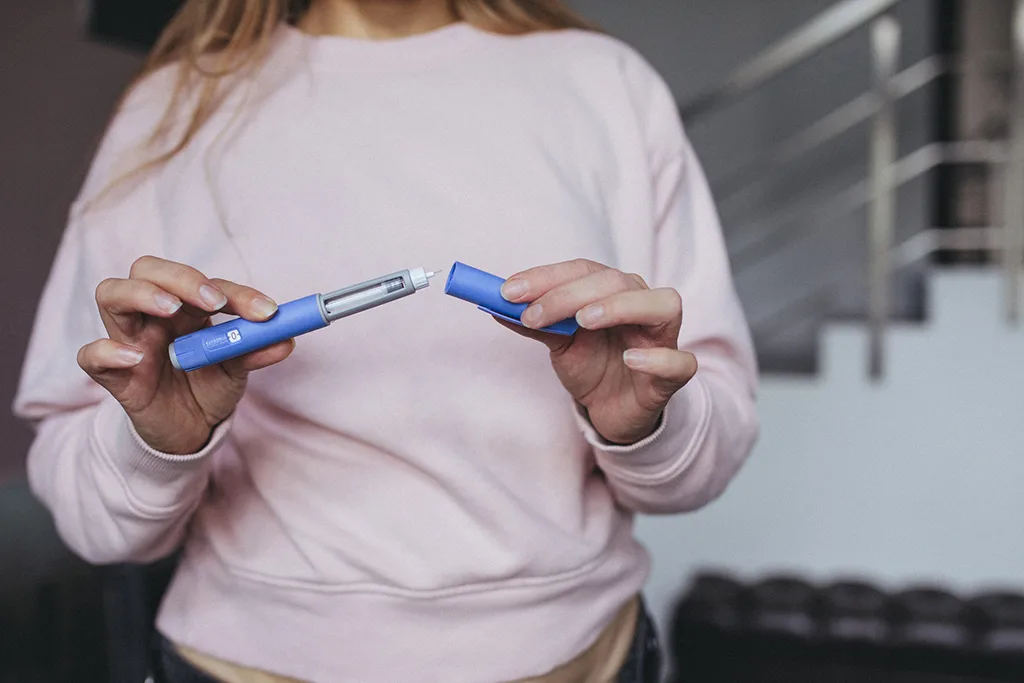
In the booming GLP-1 gold rush, Eli Lilly has emerged as the frontrunner, grabbing the biggest slice of the market from Novo Nordisk's Ozempic. Everyone has been talking about Ozempic in recent years—whether in the news or from personal stories of those using it for type 2 diabetes or weight loss. As part of the popular GLP-1 class of drugs, Ozempic (semaglutide) put Novo Nordisk first to market in 2017, maintaining leadership for years. But over the past year, Eli Lilly has roared into the top spot with its tirzepatide-based drugs, Mounjaro and Zepbound.
This shift isn't just financial—it's reshaping access to effective therapies for metabolic health. For patients managing type 2 diabetes or obesity, understanding this GLP-1 market dynamic means knowing where the most available and potent options lie. Eli Lilly now holds 60% of the U.S. market, while Novo's share has dropped to 39%.
Understanding GLP-1 Drugs: How They Work for Diabetes and Weight Loss
GLP-1 drugs, or glucagon-like peptide-1 receptor agonists, interact with hormonal pathways involved in digestion. By mimicking the GLP-1 hormone, they slow gastric emptying, signal the brain to reduce appetite, and improve insulin secretion while suppressing glucagon. This dual action helps regulate blood sugar levels and promotes significant weight loss—key benefits for those with type 2 diabetes or obesity.
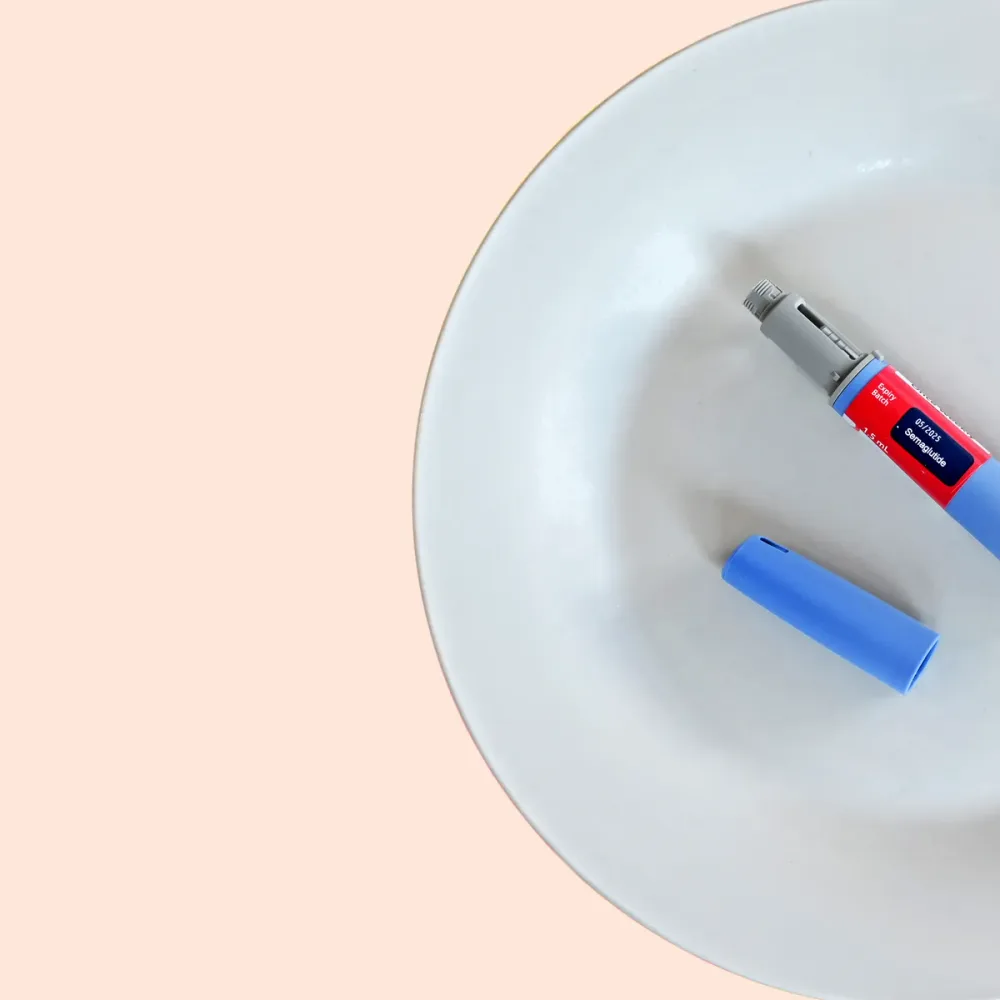
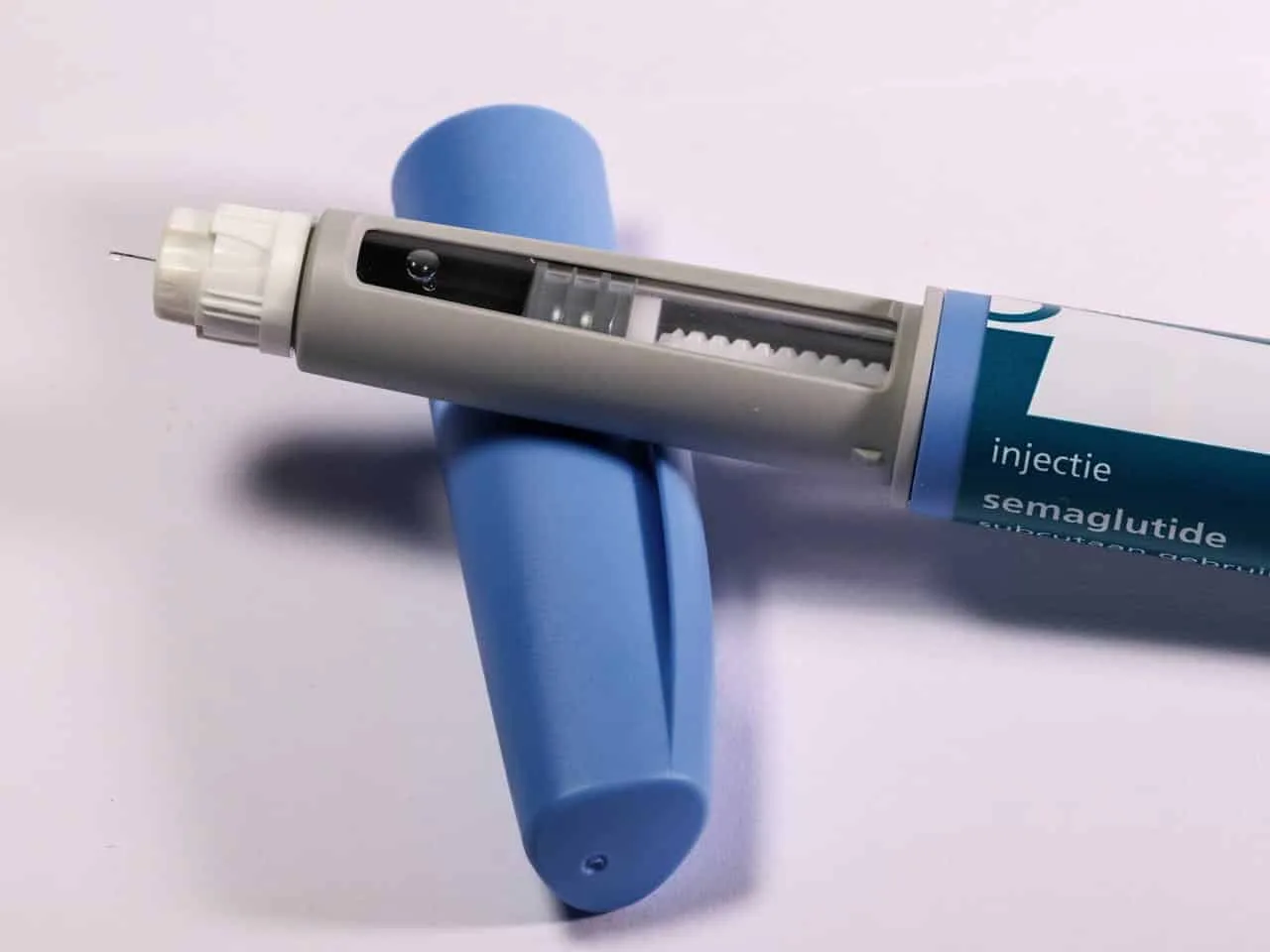
Novo Nordisk's semaglutide is approved as Ozempic for type 2 diabetes and Wegovy for obesity. These injectables have transformed patient outcomes, with clinical trials showing 15-20% body weight reduction in many cases. However, demand has outstripped supply, leading to shortages that highlighted the need for scalable production.
Tirzepatide: Eli Lilly's Dual-Action Edge
Eli Lilly entered later with tirzepatide, a dual GLP-1 and GIP (glucose-dependent insulinotropic polypeptide) receptor agonist. Marketed as Mounjaro for type 2 diabetes and Zepbound for weight loss, it builds on GLP-1 benefits by also targeting GIP pathways, enhancing insulin response and fat metabolism. This mechanism may explain its edge in weight loss efficacy.
Market Share Shift: Lilly Takes the Lead
A year ago, Eli Lilly claimed leadership in the U.S. GLP-1 market and has since increased its dominance. Today, Lilly commands 60% market share, with Novo at 39%. This isn't abstract—it's about real-world availability for patients seeking these therapies amid rising obesity rates affecting over 40% of U.S. adults.
The GLP-1 market's growth is explosive, driven by off-label use for weight loss and expanding approvals. For context, global obesity drug sales are projected to exceed $100 billion by 2030, making market leaders pivotal for innovation and access.
Blockbuster Revenue: Mounjaro and Zepbound's Triple-Digit Growth
Lilly reported triple-digit revenue growth for both Mounjaro and Zepbound in the recent quarter. Together, these drugs generated more than $11 billion in revenue. This financial surge underscores patient demand and Lilly's ability to meet it, contrasting with earlier shortages that plagued both semaglutide and tirzepatide.
Why Eli Lilly Jumped Ahead of Novo Nordisk
Several factors propelled Lilly forward. First, the company excelled at ramping up manufacturing, ensuring doses are readily available. A couple of years ago, shortages frustrated patients and prescribers, delaying treatments for diabetes control and weight management.
Precision tracking for your journey
Join thousands using Shotlee to accurately track GLP-1 medications and side effects.
📱 Get the Shotlee App
Track your GLP-1 medications, peptides, and health metrics on the go with our mobile app!
Most crucially, Lilly conducted a head-to-head study of Zepbound versus Wegovy, demonstrating that tirzepatide helped people lose more weight. This real-world evidence sways doctors and patients toward Zepbound, especially for those prioritizing maximum results. While both drugs share GLP-1 foundations, tirzepatide's GIP addition appears to amplify outcomes, with trials like SURMOUNT showing up to 20-25% weight loss.
Supply Chain and Accessibility Matter
Manufacturing scale is patient-centric: Reliable supply means fewer disruptions in therapy adherence, crucial for sustained blood sugar control and weight loss. Lilly's investments have addressed this bottleneck, positioning it as the reliable choice in the GLP-1 gold rush.
Future Innovations: Oral Options on the Horizon
Novo recently launched a Wegovy pill, shifting from injectables that many patients find inconvenient. Yet Lilly is poised to counter with its own oral weight loss candidate, currently under regulatory review. Unlike the Wegovy pill, Lilly's option doesn't involve dietary restrictions, offering a more hassle-free experience.
Oral GLP-1s could broaden access, reducing needle phobia and improving compliance. For patients, this evolution means easier integration into daily routines for long-term metabolic health.
What This Means for Patients on GLP-1 Therapies
While investors eye Lilly as a long-term buy, patients benefit from this competition. Greater availability of Mounjaro and Zepbound expands options for type 2 diabetes and obesity management. Discuss with your doctor: Is tirzepatide right for you based on the head-to-head data? Factors like weight loss goals, side effects (nausea, GI issues common to class), and cost (list prices ~$1,000/month, with savings programs) matter.
Practical Guidance:
- Consult your healthcare provider about switching from semaglutide to tirzepatide if superior weight loss is key.
- Monitor progress with apps like Shotlee for tracking symptoms, side effects, or dosing schedules during titration.
- Combine with lifestyle changes—diet and exercise amplify GLP-1 effects.
Safety note: GLP-1s carry risks like pancreatitis or thyroid concerns; regular monitoring is essential. No drug is shortage-proof forever, but Lilly's momentum suggests stability.
Key Takeaways from the GLP-1 Market Shift
- Eli Lilly holds 60% U.S. GLP-1 market share vs. Novo's 39%.
- Mounjaro and Zepbound drove $11B+ revenue with triple-digit growth.
- Head-to-head study favors Zepbound over Wegovy for weight loss.
- Lilly's manufacturing and upcoming oral drug strengthen its lead.
Conclusion: Navigating the GLP-1 Landscape
The GLP-1 gold rush crowns Eli Lilly as the obesity-drug giant grabbing the biggest slice, making it a standout for investors and a boon for patients. With preserved access to potent therapies like tirzepatide, those tackling diabetes or obesity have more choices than ever. Stay informed on studies and approvals—discuss with your doctor to optimize your metabolic health journey.