
The Paradox of Modern Health Awareness
In the digital age, the pursuit of health has become more visible than ever before. For college students, particularly those in health-conscious regions like Utah, the line between genuine wellness and toxic diet culture is increasingly blurred. Social media platforms, restrictive eating trends, and the rapid rise of weight-loss medications are shaping how a new generation thinks about food, body image, and medication.
At Utah State University (USU), this dynamic is playing out in real-time. Rachel Rood, a registered dietitian at USU, notes that the constant stream of health information can be overwhelming. "I think diet culture today is really complicated," Rood explains. "We get such a variety of health messages ... it's happening in real time, and it's hard to keep up."
This complexity is not unique to college campuses. It reflects a broader national conversation where medical advancements like GLP-1 agonists intersect with societal pressures to achieve specific body standards. Understanding the difference between therapeutic intervention and trend-driven behavior is crucial for maintaining long-term physical and mental well-being.
The Social Media Amplifier and Utah Context
For many students, the pressure to conform to health ideals is amplified by the curated nature of social media. Appearance and food choices are constantly on display, creating an environment of scrutiny that can distort self-perception.
Liv Taylor, a USU student who recently returned from living in Europe, observed a stark contrast in how different environments influence body image. "I felt like as soon as I got back, I was going to become obsessed with what I'm eating," Taylor said. "Then coming back ... you just become a lot more aware again." Taylor noted that while living abroad, she felt she loved how she looked more, but returning to Utah reignited a heightened awareness of diet and habits.
Utah specifically presents a unique case study in diet culture. As a state with high rates of physical activity and health consciousness, the pressure to maintain that image can be intense. Diet culture often manifests through extreme trends that promise quick results.
Signs of Unhealthy Diet Culture
- Restrictive Labeling: Categorizing foods as "good" or "bad" without nuance.
- Extreme Trends: Adopting rigid diets like paleo or carnivore without medical necessity.
- Comparison: Feeling that others have an unfair advantage, such as using weight-loss medication.
- Moralizing Food: Viewing food choices as a reflection of moral character rather than nutrition.
The Rise of GLP-1 Medications in Student Health
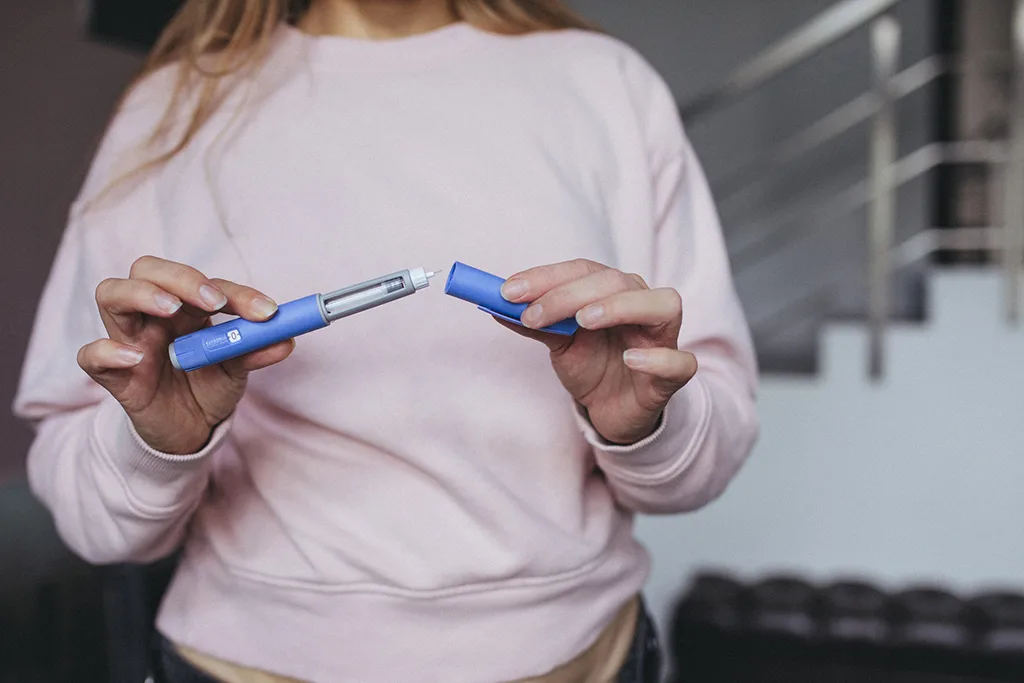
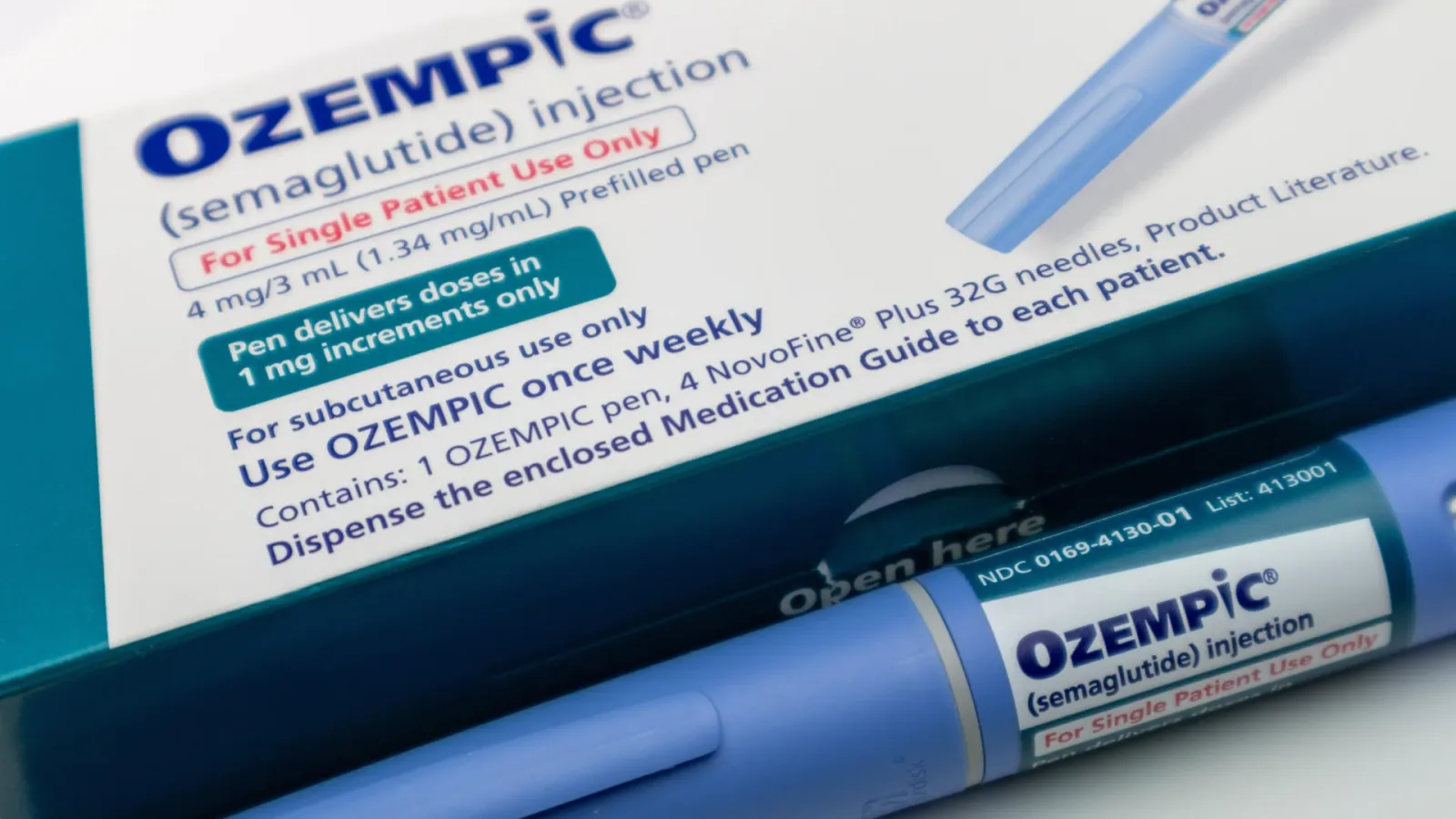
Amidst the noise of diet trends, a significant medical shift is occurring. GLP-1 (glucagon-like peptide-1) weight-loss medications, such as Ozempic, Wegovy, and Mounjaro, are becoming part of the mainstream conversation. Originally developed to treat Type 2 diabetes, these medications help regulate blood sugar and slow digestion, allowing people to feel full longer.
The data supports a surge in usage. According to a statewide analysis by the One Utah Health Collaborative, prescriptions for similar GLP-1 drugs more than doubled between 2019 and 2023, with spending increasing from about $53 million to more than $116 million.
However, the accessibility and visibility of these drugs can create confusion regarding their appropriate use. Taylor noted the psychological impact of seeing peers use these medications. "It almost feels like cheating," Taylor said. "I'm working so hard, and then someone else is using Ozempic." When one person starts a medication, the trend can spread quickly in social circles, sometimes bypassing the necessary medical evaluation.
Understanding GLP-1 Agonists
While often colloquially grouped together, there are distinct differences between the medications available in the peptide therapy market. Understanding the mechanism of action and approved indications is vital for safe usage.
Precision tracking for your journey
Join thousands using Shotlee to accurately track GLP-1 medications and side effects.
📱 Get the Shotlee App
Track your GLP-1 medications, peptides, and health metrics on the go with our mobile app!
| Medication | Active Ingredient | Primary FDA Indication | Common Brand Name (Weight Loss) |
|---|---|---|---|
| Ozempic | Semaglutide | Type 2 Diabetes | Off-label for weight loss |
| Wegovy | Semaglutide | Chronic Weight Management | Wegovy |
| Mounjaro | Tirzepatide | Type 2 Diabetes | Off-label for weight loss |
| Zepbound | Tirzepatide | Chronic Weight Management | Zepbound |
Medical Management vs. Quick Fixes
Rachel Rood emphasizes that while these medications can be helpful in certain cases, they are not meant to be quick fixes. "It's a medication to treat something, not just a quick fix. It should be monitored," Rood said. This distinction is critical. GLP-1s are potent tools that require medical supervision to manage side effects, dosage titration, and nutritional intake.
Using these medications without a diagnosed need or medical oversight can lead to health risks, including muscle loss, nutrient deficiencies, and gastrointestinal distress. The goal of peptide therapy and weight loss medication should be metabolic health, not just aesthetic change.
Furthermore, the cost and availability of these drugs can create disparities in healthcare access. Relying on social media trends to determine medical treatment ignores individual health histories, genetic factors, and metabolic needs.
Building Sustainable Habits Over Trends
Instead of focusing on trends, Rood encourages students to build sustainable habits that support long-term health. "Healthy eating is variety, balance, moderation and flexibility, and that looks different for everybody," Rood said. This approach aligns with the principles of intuitive eating and behavioral psychology, which suggest that rigid restriction often leads to rebound behaviors.
Navigating diet culture comes down to awareness. Taylor believes that "Utah specifically has a huge diet culture problem," noting that it feels harsher coming from outside. To combat this, students should prioritize data-driven health tracking over subjective feelings of inadequacy.
The Role of Health Tracking Tools
In an era of overwhelming information, tools that help visualize progress can reduce anxiety and increase accountability. Platforms like Shotlee allow users to track their progress, symptoms, doses, and health data in one place. This is particularly relevant for individuals managing weight loss through medication or dietary changes.
When using GLP-1 medications or starting a new diet, tracking can help identify patterns that social media trends might obscure. For example, monitoring hydration levels, protein intake, and side effects alongside weight changes provides a holistic view of health. Shotlee helps users stay grounded in their own biological data rather than comparing themselves to curated online personas.
Conclusion
The intersection of diet culture, social media, and medical advancements like GLP-1 therapy presents a complex landscape for modern students. While medications like Ozempic and Wegovy offer powerful tools for metabolic health, they are not a substitute for sustainable lifestyle changes. The key lies in distinguishing between medical necessity and societal pressure.
By focusing on variety, balance, and moderation, and by utilizing health tracking tools to monitor personal progress, students can navigate these trends without losing sight of their well-being. As Rood advises, healthy eating is not a one-size-fits-all solution; it is a personalized journey that requires patience, monitoring, and professional guidance.
Practical Takeaways
- Verify Sources: Distinguish between medical advice and social media trends.
- Monitor Symptoms: Track how your body responds to diet changes or medications.
- Focus on Habits: Prioritize sustainable behaviors over short-term fixes.
- Seek Professional Guidance: Consult with dietitians or doctors before starting peptide therapy.
- Use Technology Wisely: Leverage apps like Shotlee to track data objectively.