
Impact of Weight-Loss Drugs on Shopping Trends
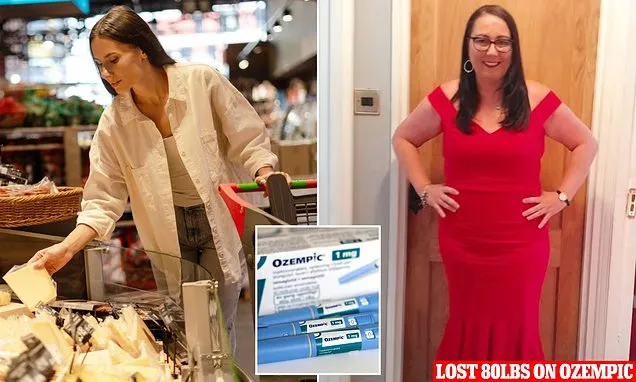
Popular medications for shedding pounds, including Ozempic, are significantly altering the contents of American shopping carts, according to fresh research findings. Experts at Cornell University project that the global market for GLP-1 treatments like Ozempic, Wegovy, and Mounjaro exceeded $50 billion in the previous year and may double before the decade concludes.
Adopted by roughly one in every eight adults in the US, equating to around 30 million individuals, these medications have reshaped approaches to weight management, nutrition, and diabetes management. Consequently, they've influenced dietary choices and grocery acquisition patterns nationwide.
Research Methodology and Household Analysis
To explore these effects, the Cornell researchers examined data from Numerator, a market research firm, covering 150,000 American families. Over a span of two years, they monitored expenditures at supermarkets, convenience outlets, quick-service eateries, and meal delivery platforms to assess consumption patterns and behavioral shifts.
Additionally, Numerator conducted surveys to gauge awareness of GLP-1s, active usage, and potential interest in these drugs.
Growth in GLP-1 Adoption and Motivations
From October 2023 through July 2024, utilization of GLP-1s rose by 34 percent, with families earning at least $80,000 annually more inclined to employ them for slimming rather than their initial diabetic applications. Starting in mid-2023, a growing number of households opted for these drugs primarily for weight reduction over diabetes management, with the disparity expanding progressively.
Changes in Grocery Spending and Purchases
Families with at least one member using GLP-1s reduced their supermarket expenditures by roughly five percent and purchased five percent fewer products half a year after commencing treatment. Moreover, the types of items selected underwent transformation.
Following initiation of a GLP-1 regimen, which curbs hunger and diminishes caloric intake, users typically allocated less to snacks like crisps, pastries, and dairy products, while increasing investments in dairy alternatives such as yogurt and fresh produce.
GLP-1 consumers also trimmed fast-food and café outlays by approximately eight percent. The study indicated that GLP-1 incorporation among households surged from 11.5 percent in October 2023 to 16 percent by July 2024, marking a 34 percent increase.
Specific Dietary Adjustments Over Time
Within six months of beginning GLP-1 therapy, families reduced spending on savory treats like chips by 11 percent and bakery items by nine percent. Cheese purchases dropped by seven percent, with reductions also noted in sides, sauces, oils, baking essentials, proteins, and eggs at six percent each.
From seven to 12 months in, chips continued to show the steepest decline at 8.6 percent, followed by eggs and fresh veggies at eight percent. These GLP-1 drugs appear to reduce the brain's pleasure responses to indulgent foods such as fries and desserts, potentially curbing desires for them.
Precision tracking for your journey
Join thousands using Shotlee to accurately track GLP-1 medications and side effects.
📱 Get the Shotlee App
Track your GLP-1 medications, peptides, and health metrics on the go with our mobile app!
Even hydration purchases fell by 0.5 percent initially, with GLP-1s potentially slowing gastric emptying and diminishing thirst cues, leading to a further 2.8 percent drop by the seven-to-12-month mark.
Increases in Certain Food Categories
The sole food groups experiencing rising expenditures after six months included energy bars, fresh produce, protein snacks, and yogurt. Yogurt sales among GLP-1 adopters climbed 3.5 percent, with protein snacks and fresh fruit rising 1.5 and 1.4 percent respectively, and energy bars up 0.3 percent.
By seven to 12 months, yogurt and protein snacks maintained the highest gains at 3.6 and 2.6 percent, while fresh fruit increased by two percent, though energy bars saw a slight 1.2 percent downturn.
Greek yogurt, rich in protein and fiber, boosts feelings of satisfaction and helps avert muscle depletion associated with GLP-1s, alongside easing digestive issues like irregularity. Protein sticks offer about 12 grams of protein per serving, contributing significantly to daily needs, whereas fruits and bars provide low-calorie options.
Health tracking apps like Shotlee can assist in monitoring these dietary changes and overall wellness progress.
Demographic Variations in Usage
In households earning $80,000 or below, diabetes management remained the predominant reason for GLP-1 use. Conversely, among those with incomes exceeding $80,000, slimming took precedence, with families surpassing $200,000 being twice as prone to choose it over diabetes care.
Individuals under 54 showed a stronger preference for weight reduction with GLP-1s, whereas those 55 and older leaned more toward diabetes applications.
Study Implications and Constraints
The study's authors, whose work appeared recently in the Journal of Marketing Research, noted: 'These results demonstrate the capacity of GLP-1 therapies to markedly alter consumer food preferences, presenting escalating challenges for the food sector amid rising adoption rates.'
Nonetheless, constraints exist, particularly the emphasis on acquisitions instead of actual intake. The analysis focused on family expenditures rather than personal behaviors, suggesting opportunities for comparisons among household participants.
Data collection spanned only the initial 12 months post-GLP-1 initiation, prompting calls for extended investigations. Evidence shows that roughly half of users discontinue these medications within a year.