
CVS Health's 2026 Outlook: What Patients Need to Know
When CVS Health reported its latest financial results, the market reacted with enthusiasm, seeing shares rise as much as 9.8 percent at the opening of the New York market. While investors celebrated the company's adjusted earnings of $2.57 per share—a figure that surpassed all analyst estimates in a Bloomberg survey—the news carries significant weight for patients navigating the complex landscape of modern healthcare.
For individuals managing chronic conditions, utilizing weight loss therapies, or relying on prescription coverage, understanding the financial health of major players like CVS and its insurance arm, Aetna, is crucial. The company's optimism for 2026 follows a challenging 2025, driven by strategic shifts in pharmacy payments, insurance reserves, and Medicare Advantage adjustments. These financial maneuvers directly influence the availability and cost of vital medications, including GLP-1 drugs like semaglutide and tirzepatide.
In this analysis, we translate the corporate financial outlook into practical implications for your health journey. We explore how changes in pharmacy profitability, insurance benefit structures, and Medicare funding could affect your access to peptide therapy and other essential treatments.
The Shift in Pharmacy Profitability and GLP-1 Access
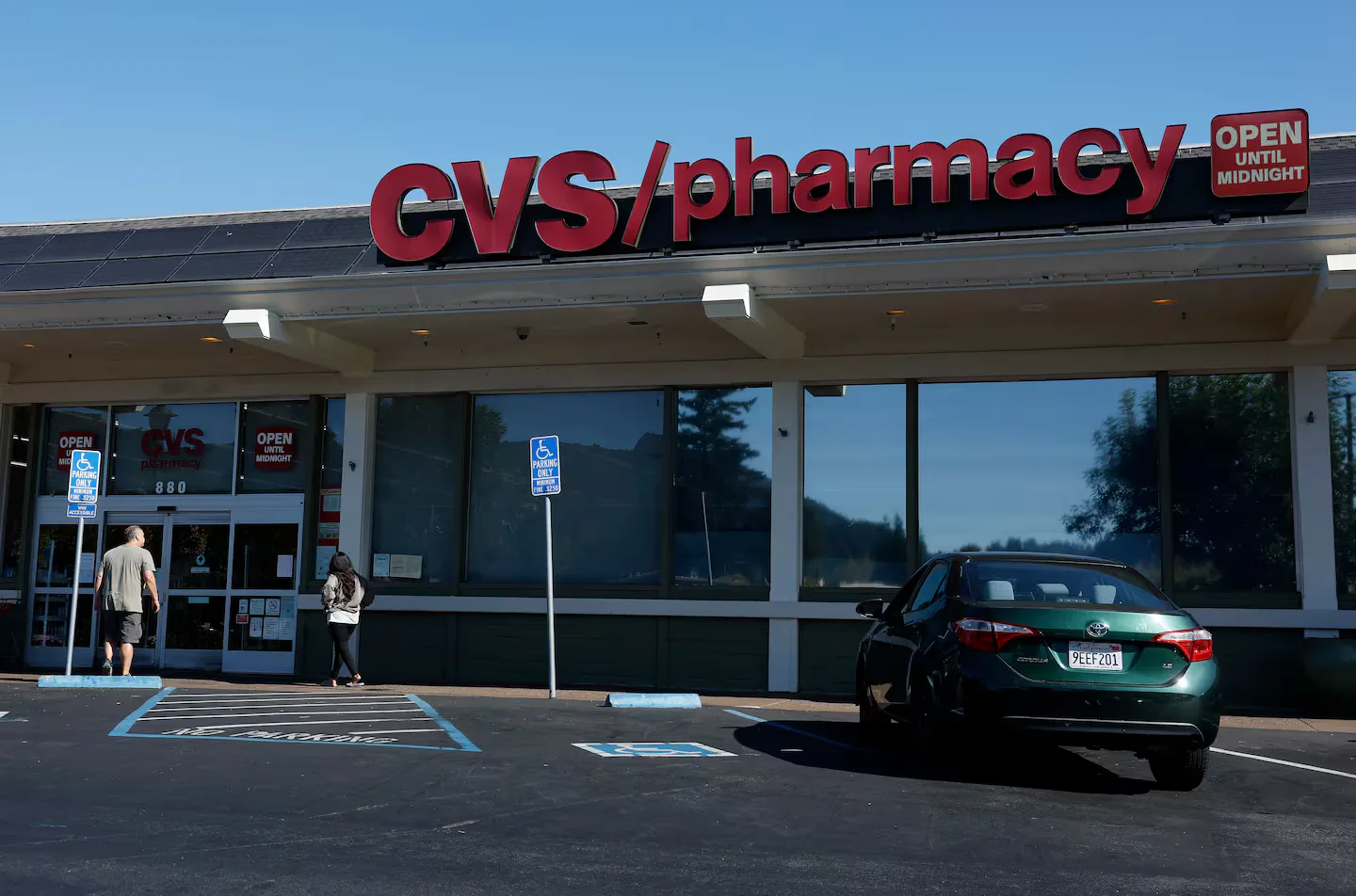
One of the most significant revelations in CVS's recent earnings call concerns the pharmacy segment's relationship with GLP-1 drugs. For a long time, these medications were viewed as financial challenges for pharmacies due to high acquisition costs and complex reimbursement models. However, Chief Executive Officer David Joyner confirmed on a conference call that due to changes in how pharmacies are paid for medicines, CVS is no longer losing money on GLP-1 drugs.
Why This Matters for Patients
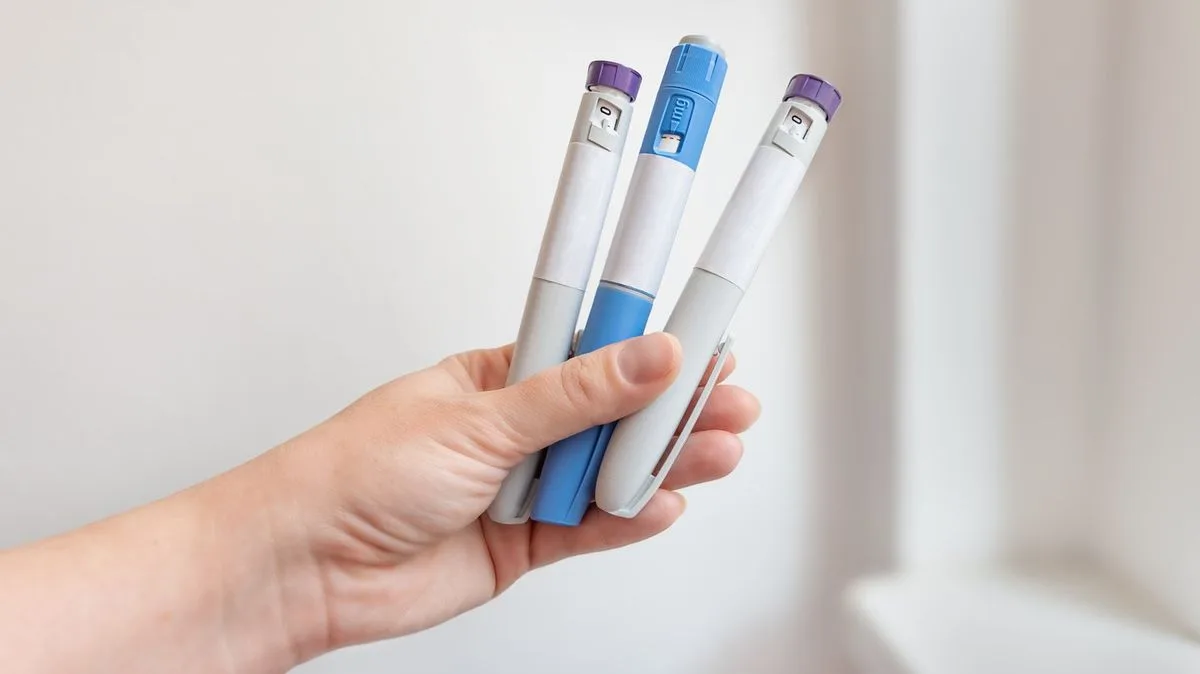
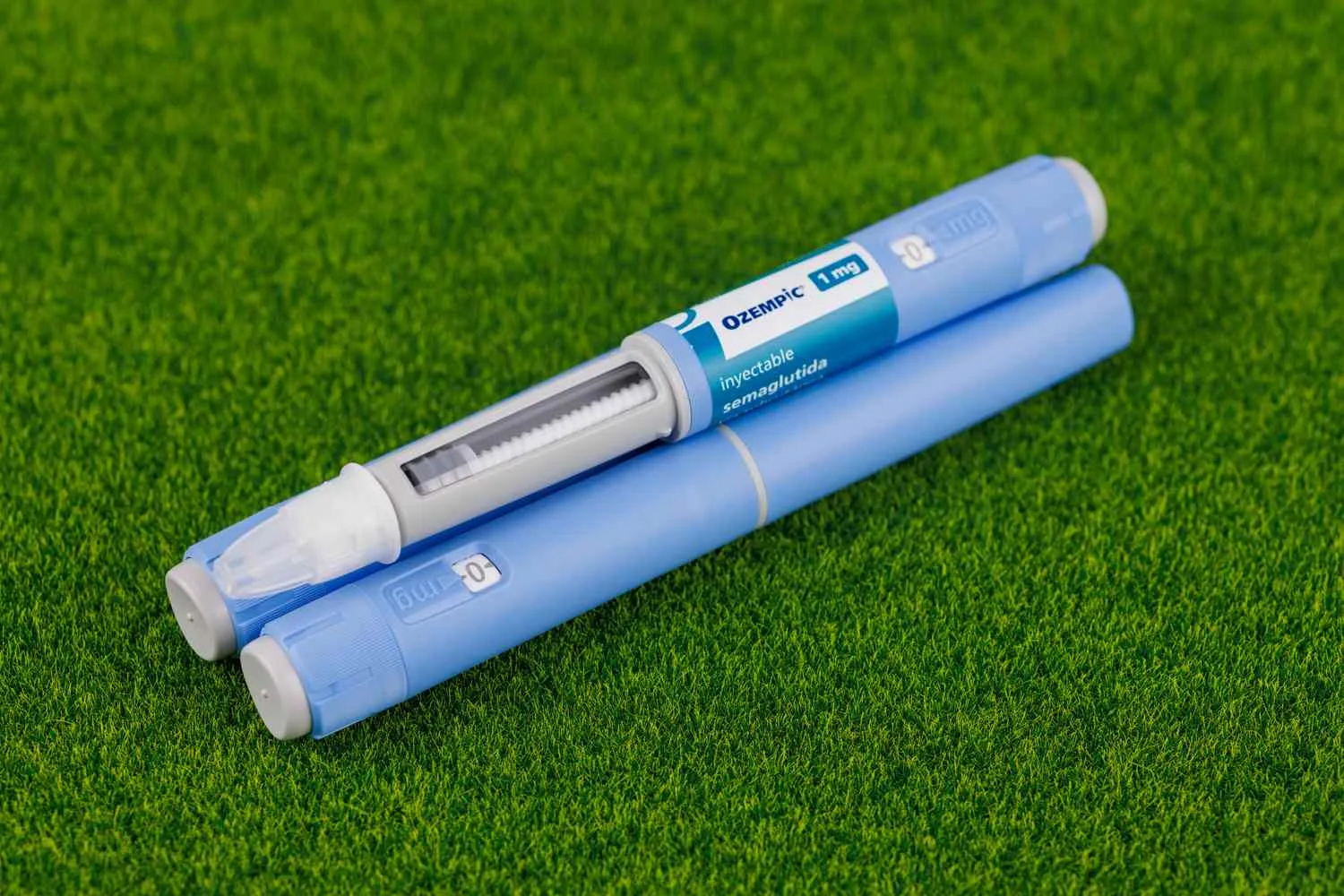
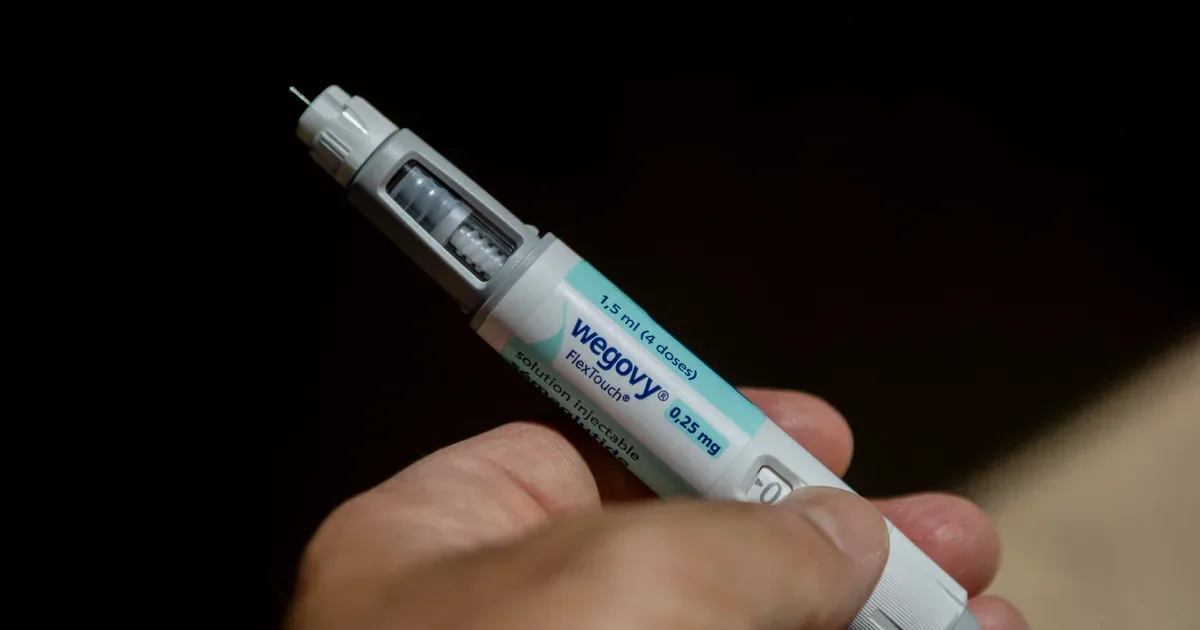
When pharmacies lose money on a specific medication class, it can lead to supply chain friction, higher out-of-pocket costs for patients, or reluctance to stock certain brands. The shift to profitability for CVS suggests a more stable environment for medications like Ozempic, Wegovy, and Mounjaro.
- Stable Supply: Improved margins reduce the risk of pharmacies discontinuing popular weight loss or diabetes treatments.
- Pricing Stability: As profitability improves, there is less pressure to pass excessive costs directly onto the consumer through inflated copays.
- Competitive Landscape: Rival pharmacy chains, such as Walgreens, have also recently reported profitability on these drugs, indicating an industry-wide normalization of the GLP-1 business model.
Despite this positive shift, the company noted that profitability in the pharmacy segment dropped from a year ago, partially due to bad weather and lighter-than-expected seasonal illnesses. This highlights the volatility inherent in retail health services, even as specific high-value drug categories stabilize.
Aetna's Profitability and Insurance Benefits
The financial boost for CVS is heavily rooted in the performance of its insurance subsidiary, Aetna. About 5 cents of the adjusted earnings guidance came from better-than-expected performance in the pharmacy business, but the bulk of the increase stemmed from a benefit from the prior year's reserves. Chief Financial Officer Brian Newman explained that the company set aside more money to pay insurance claims than it ultimately needed last year.
What Reserve Benefits Mean for Coverage
When an insurer like Aetna spends a smaller percentage of premiums on medical costs than Wall Street analysts expected, it improves the bottom line. However, this often signals a tightening of benefits or an adjustment in risk assessment. Newman noted that Aetna has been making changes over the last few years to boost profitability, including:
- Actuarial Expertise: Installing more actuaries in key positions to better predict costs and price plans accordingly.
- Plan Adjustments: Raising prices on some plans and stopping the sale of Affordable Care Act (ACA) plans that were losing money.
- Benefit Management: Pulling less profitable plans from the market to ensure financial sustainability.
For patients, this means insurance carriers are becoming more aggressive in managing risk. While this may stabilize the broader insurance market, it could result in stricter prior authorization requirements for weight loss therapies or peptide treatments.
Medicare Advantage: The Senior Care Challenge
A critical area of concern for the aging population is Medicare Advantage. This private version of the government health plan for seniors has historically been a major profit driver for companies like CVS. However, regulatory pressure is mounting.
Newman stated that the 2.5 percent increase for Medicare Advantage payments in 2027 won't be enough to keep up with rising medical costs. This discrepancy between federal payment rates and actual healthcare inflation threatens future profitability. To achieve its financial goals, CVS may cut benefits for patients in order to maintain margins.
The Risk-Benefit Tradeoff
CVS remains committed to its previously stated goal of boosting Medicare Advantage margins to between 3 percent and 4 percent by 2028. While margins this year will be higher than last year, the path to 2028 requires balancing cost containment with patient care. For seniors relying on these plans for chronic disease management or prescription coverage, this could mean more scrutiny on coverage for newer therapies like tirzepatide.
Precision tracking for your journey
Join thousands using Shotlee to accurately track GLP-1 medications and side effects.
📱 Get the Shotlee App
Track your GLP-1 medications, peptides, and health metrics on the go with our mobile app!
Comparing Financial Drivers to Patient Impact
To clearly visualize how these financial decisions translate to the patient experience, we have outlined the key data points and their potential implications below.
| Financial Driver | Source Data | Potential Patient Impact |
|---|---|---|
| GLP-1 Profitability | CVS no longer losing money on GLP-1 drugs | Improved pharmacy stock availability; potential stabilization of copays for Ozempic/Wegovy. |
| Aetna Reserves | Used more reserves than needed last year | Short-term financial buffer, but potential for stricter benefit reviews in future years. |
| Medicare Payments | 2.5% increase in 2027 payments | Payments may not cover rising costs; risk of benefit cuts for seniors to maintain 3-4% margins. |
| ACA Plans | Stopped selling losing ACA plans | Reduced plan options for some enrollees; potential premium increases for remaining plans. |
Navigating Changes with Health Tracking
As healthcare providers and insurers adjust their models, patients must become more proactive in managing their health data. The shift from volume to value in healthcare means that clear communication between you, your provider, and your insurer is more important than ever.
This is where platforms like Shotlee become essential tools for modern health management. Whether you are on a GLP-1 therapy for weight loss or managing a complex chronic condition, tracking your progress allows you to advocate for your care effectively.
How Shotlee Supports Your Journey
- Symptom Monitoring: Document side effects or efficacy changes to share with your doctor during benefit disputes.
- Dose Tracking: Maintain accurate records of peptide therapy dosages to ensure compliance with insurance requirements.
- Health Data Visualization: Create clear reports that demonstrate medical necessity, which can be vital when appealing coverage denials.
By maintaining robust health records, you empower yourself to navigate the complexities of insurance changes without losing momentum in your treatment goals.
Practical Takeaways for Patients
Beyond the financial headlines, here are the immediate steps patients should consider based on CVS's 2026 outlook:
- Review Your Plan: Check if your current insurance plan is being revised or if ACA options in your region are being discontinued.
- Monitor Medication Costs: Keep an eye on pharmacy pricing for GLP-1s as the payment model shifts, though stability is expected.
- Prepare for Prior Auth: Be ready to provide detailed medical history if applying for coverage of weight loss medications like tirzepatide.
- Track Your Data: Use health tracking tools to build a comprehensive record of your treatment journey.
Conclusion
CVS Health's 2026 outlook reflects a company adapting to a challenging economic and regulatory environment. While the financial results are strong, driven by Aetna's profitability and pharmacy segment shifts, the implications for patients require careful attention. The move toward profitability in GLP-1 drugs is positive for access, but the tightening of Medicare Advantage benefits and ACA plans suggests a more rigorous landscape for insurance coverage.
By staying informed and utilizing tools like Shotlee to track your health data, you can ensure that financial shifts in the healthcare industry do not derail your personal health goals. The intersection of business strategy and patient care is evolving, and your active participation is the best defense against coverage uncertainty.
Frequently Asked Questions
1. Will CVS cutting ACA plans affect my access to weight loss medications?
CVS has stopped selling Affordable Care Act plans that were losing money. While this doesn't directly dictate medication formularies, it may reduce the number of available plans in your area. You may need to switch to a different plan with similar coverage for GLP-1 drugs like semaglutide.
2. How does the 2.5% Medicare Advantage increase impact seniors?
The 2.5% payment increase for 2027 is unlikely to keep up with rising medical costs. This gap may force insurers to cut benefits or increase premiums for seniors to maintain profit margins, potentially affecting coverage for chronic disease medications.
3. Why is CVS no longer losing money on GLP-1 drugs?
CVS changed how its pharmacies are paid for medicines, adjusting the reimbursement model. This shift allows the pharmacy segment to achieve profitability on high-cost drugs like Ozempic and Wegovy, which previously resulted in financial losses per prescription.
4. Can I expect my insurance premiums to rise due to Aetna's profit increase?
Insurance companies often use reserve benefits to adjust pricing strategies. While Aetna's improved profitability is good for the company, it does not guarantee lower premiums. Prices may be adjusted based on broader market trends and cost predictions.
5. How can I track my progress if my insurance changes?
Using a health tracking platform like Shotlee allows you to maintain a continuous record of your symptoms, doses, and progress. This documentation is critical if you need to appeal a coverage denial or switch providers during an insurance transition.