Overview of Findings
A review of FDA adverse event reports indicated that skin-related side effects were infrequent among GLP-1 receptor agonists, though frequencies differed between medicines.
Approach
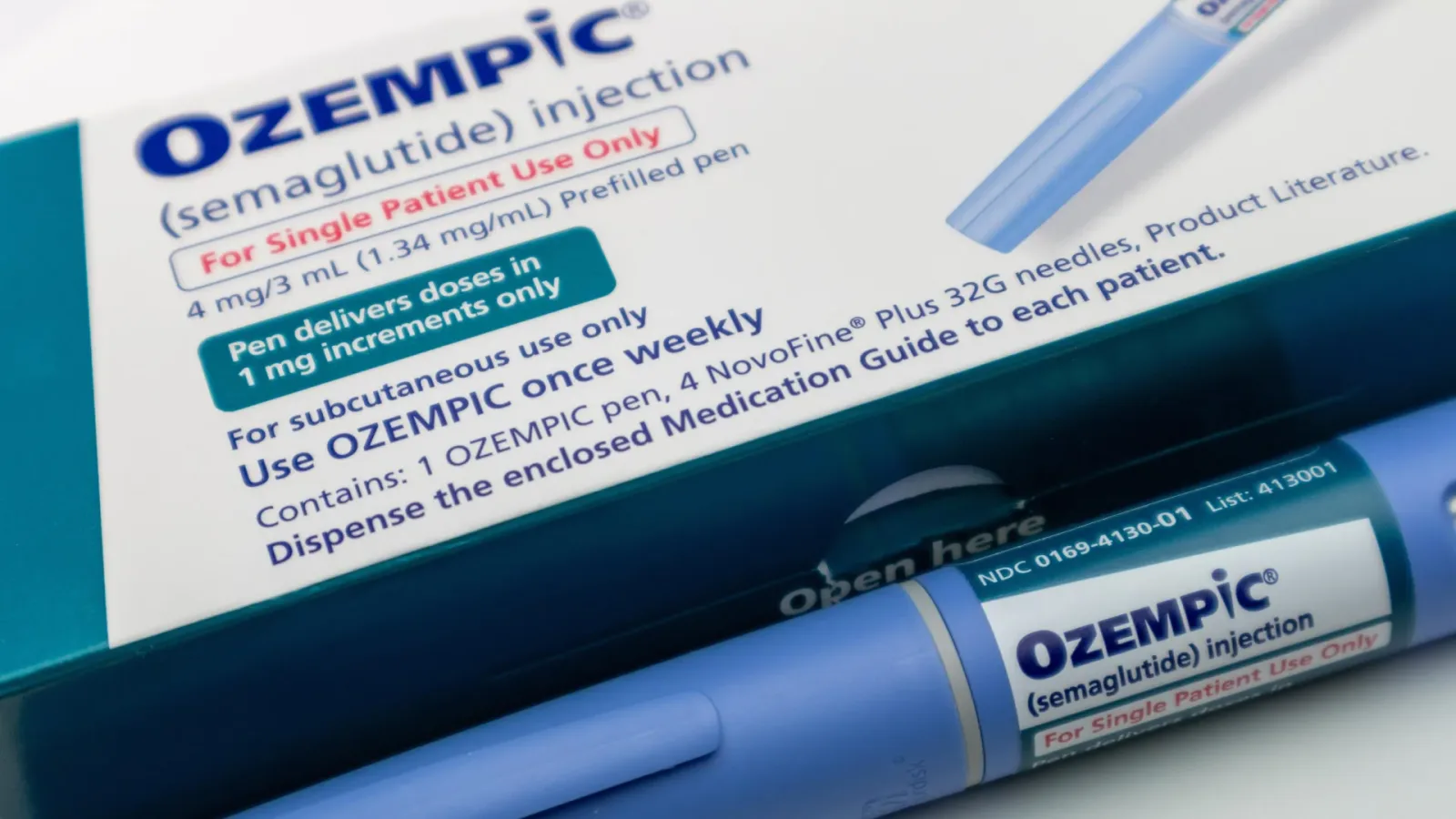
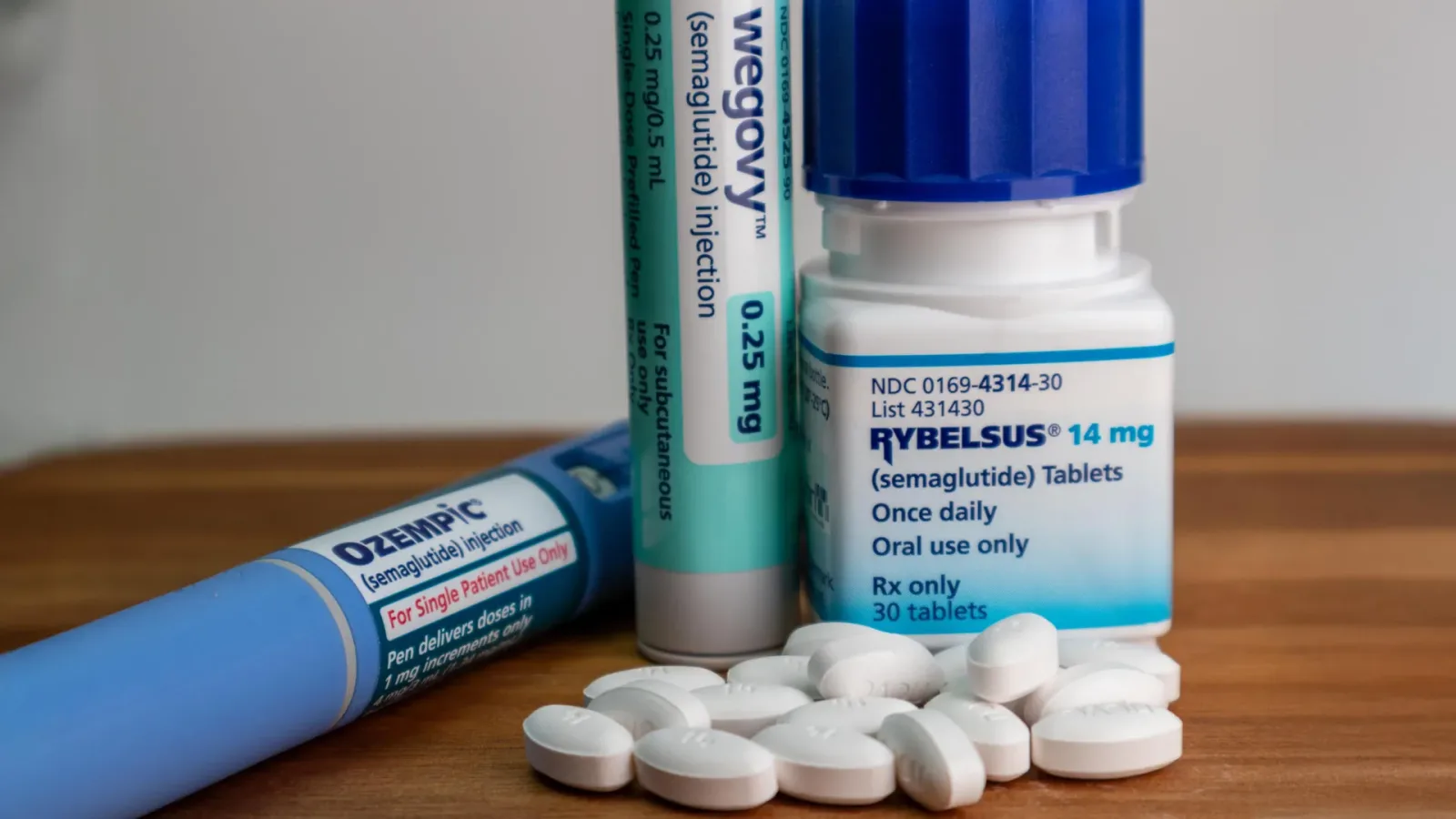
Experts performed a cross-sectional analysis using data from the FDA Adverse Event Reporting System from 2018 to 2024, focusing on semaglutide, liraglutide, exenatide, and dulaglutide.
Skin adverse events were pinpointed via MedDRA-coded terms including rash, itchiness, hives, hair loss, swelling of the face and throat, and contrasted with data for DPP-4 inhibitors like sitagliptin, saxagliptin, linagliptin, and alogliptin.
Additional aspects examined were the breakdown of particular adverse event categories and the probability of skin adverse event reports, using dulaglutide as the baseline medication.
Key Results
Out of 129,330 overall adverse events noted for GLP-1 receptor agonists, 7,434 involved skin issues, making up 5.75% of the total, in individuals averaging around 60 years old.
Skin adverse events appeared less frequently with GLP-1 receptor agonists compared to DPP-4 inhibitors, with a proportional reporting ratio of 0.27 and a 95% confidence interval from 0.257 to 0.284.
Semaglutide displayed the greatest proportion of skin adverse events at 8.16%, while dulaglutide showed the smallest at 3.75%, even though it accounted for the largest number of total reports at 59,247.
Precision tracking for your journey
Join thousands using Shotlee to accurately track GLP-1 medications and side effects.
📱 Get the Shotlee App
Track your GLP-1 medications, peptides, and health metrics on the go with our mobile app!
Rash, itchiness, hair loss, and excessive sweating emerged as the primary skin responses for semaglutide, liraglutide, and dulaglutide, whereas exenatide more frequently linked to hives and redness. Rash and itchiness appeared across all four drugs.
In comparison to dulaglutide, exenatide correlated with elevated chances of skin adverse events, boasting an odds ratio of 5.01, but semaglutide at 0.404 and liraglutide at 0.355 showed reduced odds.
Practical Implications
The researchers stated that "skin adverse events linked to GLP-1 receptor agonists are infrequent yet significant" and "frequently go unreported in studies." They further noted, "Dermatologists should identify these trends while treating a growing patient base on these treatments, highlighting the necessity for better observation and guidance."
Health tracking apps like Shotlee can assist in monitoring these side effects for better patient management.
Study Origin
The investigation was directed by Marisa Fat from the Anne Burnett Marion School of Medicine at Texas Christian University in Fort Worth, Texas, and appeared online on January 1 in the Journal of Drugs in Dermatology.
Study Constraints
The FAERS database relies on voluntary submissions, which may lead to incomplete data. A listed adverse event does not automatically confirm the drug's role in causing it. Patient medical backgrounds were scant, and the system might overlook broader clinical details for each incident.
Funding and Conflicts
No sponsorship details were disclosed, and the researchers indicated no pertinent financial ties.