
The Rise of Bioactive Peptides in Health and Wellness
In the ever-evolving landscape of health and wellness, particularly within functional skincare and regenerative medicine, bioactive molecules are taking center stage. Among these, copper peptides have emerged as a significant class of compounds, lauded for their multifaceted roles in promoting tissue repair, enhancing skin health, and offering antioxidant benefits. When we refer to 'copper peptide powder,' we are generally discussing the powdered form of these sophisticated short-chain peptide complexes that are intrinsically bound with copper ions. The most extensively researched and widely recognized example is GHK-Cu, a specific coordination complex formed between the tripeptide glycyl-L-histidyl-L-lysine (GHK) and divalent copper ions (Cu2+).
These molecules are distinguished by their relatively low molecular weight and precisely defined chemical structures. This unique composition allows them to effectively retain the inherent biological signaling properties of peptides while simultaneously enabling copper ions to participate actively and constructively in enzymatic reactions within the body. This dual capability is key to their therapeutic and cosmetic potential.
Understanding the Molecular Structure and Stability of Copper Peptides
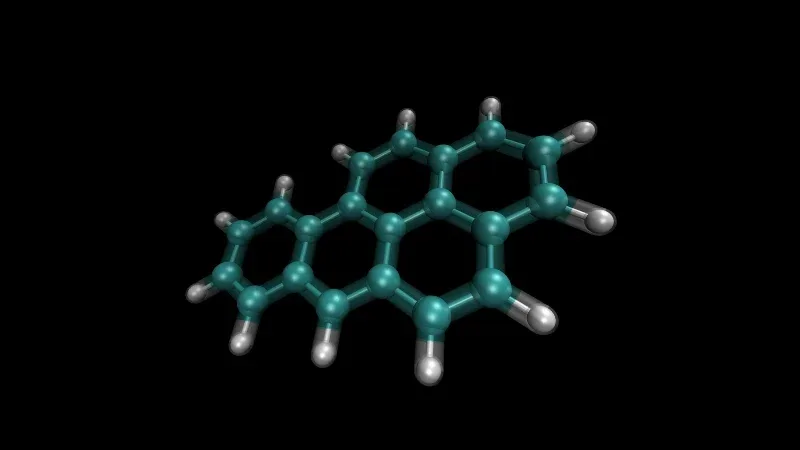
The tripeptide GHK is a naturally occurring molecule found in human plasma, saliva, and other bodily fluids, underscoring its fundamental role in human physiology. Its molecular architecture is endowed with functional groups, such as amino and imidazole groups, which possess a remarkable affinity for metal ions like copper. This allows GHK to bind copper ions with considerable stability, forming a robust chelated structure.
This stable coordination complex offers two critical advantages:
- Reduced Oxidative Risk: By binding to copper ions, the complex effectively limits the concentration of free copper ions in the local environment. Free copper ions can sometimes participate in undesirable oxidative reactions, leading to cellular damage. The chelated form mitigates this risk.
- Enhanced Bioavailability and Controlled Release: The coordinated structure ensures that copper ions are delivered and utilized in a more controlled and predictable manner. This improved bioavailability means the copper can participate more effectively in essential biological processes without being rapidly depleted or causing localized imbalances.
It is crucial to understand that copper peptides are not merely a simple physical mixture of 'copper' and 'peptide.' Instead, they represent a functionally reorganized molecular entity where the peptide and the metal ion work in concert, each enhancing the properties of the other.
Mechanisms of Action in Tissue Repair and Regeneration
Copper plays an indispensable role as a cofactor for several vital enzymes that are fundamental to tissue health and repair. For instance, lysyl oxidase is a copper-dependent enzyme crucial for the crosslinking of collagen and elastin, the primary structural proteins that provide strength and elasticity to connective tissues. Superoxide dismutase (SOD), another critical enzyme, relies on copper (among other cofactors) for its potent antioxidant defense capabilities, neutralizing harmful reactive oxygen species (ROS).
Copper peptides act as sophisticated delivery systems, functioning as carriers and controlled-release agents for copper ions. This controlled delivery ensures that copper ions are available where and when they are needed, supporting the stable and efficient functioning of these essential enzymes. Simultaneously, the GHK peptide component itself is believed to possess intrinsic signaling functions. These signals can influence a cascade of cellular activities, including prompting cell migration to injury sites, stimulating cell proliferation for tissue rebuilding, and orchestrating the remodeling of the extracellular matrix (ECM) – the supportive scaffolding surrounding cells.
Given these properties, copper peptides are highly regarded in the context of wound healing and tissue regeneration. They are seen not just as passive contributors to structural rebuilding but as active regulators of the complex biological processes involved in restoring tissue integrity.
Precision tracking for your journey
Join thousands using Shotlee to accurately track GLP-1 medications and side effects.
📱 Get the Shotlee App
Track your GLP-1 medications, peptides, and health metrics on the go with our mobile app!
Antioxidant and Anti-Inflammatory Regulation
Under conditions of significant oxidative stress, the body can produce an excessive amount of reactive oxygen species (ROS). These unstable molecules can inflict damage on vital cellular components like cell membranes, proteins, and DNA, contributing to aging and disease. Copper peptides are thought to play a role in helping the body regulate its redox balance. They achieve this by influencing the activity of enzymatic systems, such as superoxide dismutase, that are designed to combat oxidative damage.
Furthermore, emerging research suggests that copper peptides can modulate signaling pathways associated with inflammation. Rather than acting as a blunt anti-inflammatory agent that suppresses all inflammatory responses, their effect is more nuanced. They are believed to contribute to a 'rebalancing' of the local biological environment, helping to stabilize it and prevent chronic or excessive inflammation that can hinder healing and promote tissue degradation.
Applications in Skin and Hair Follicle Research
The benefits of copper peptides are particularly well-documented in dermatological research. They have been consistently linked to promoting collagen synthesis, a cornerstone of youthful, firm skin. By supporting collagen production, they help maintain skin elasticity and contribute to a robust skin barrier function, which is essential for protecting the skin from environmental aggressors and preventing moisture loss. This makes them highly sought-after ingredients in anti-aging and skin repair formulations.
In the realm of hair follicle research, copper peptides have also garnered attention. Studies have explored their potential to influence the hair growth cycle. Hypotheses suggest they might help prolong the anagen (growth) phase of hair follicles or improve the microenvironment surrounding these follicles, potentially leading to thicker, healthier hair. However, this area of research is still considered to be in its early stages, and the precise mechanisms are not yet fully elucidated.
Why Copper Peptide Powder? Stability and Formulation Flexibility
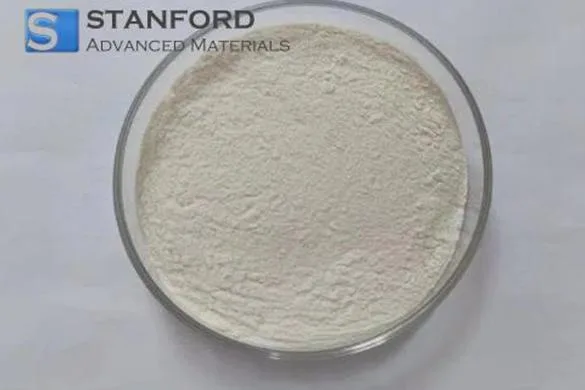
Copper peptides are most commonly supplied in a powder form rather than as pre-mixed solutions. This preference is primarily driven by considerations of chemical stability. In aqueous solutions, copper ions can be more prone to undergoing redox reactions, which could potentially compromise the integrity and stability of the peptide-copper complex over time. The powder form significantly extends the shelf life of the product and offers formulators greater flexibility. When preparing solutions for application, it is essential to follow controlled dissolution and preparation protocols to ensure the biological activity of the copper peptide complex is preserved.
The Practical Value of Copper Peptides
From a scientific standpoint, it's most accurate to conceptualize copper peptides as 'regulatory molecules.' Their primary function is not to directly supply nutrients or structural components but rather to actively participate in and modulate complex biological processes. Their efficacy is influenced by a variety of factors, including the concentration used, the specific application environment, and the overall design of the formulation in which they are incorporated.
Currently, the research and application of copper peptides in topical treatments, especially for skin repair and rejuvenation, are relatively well-established and supported by a growing body of evidence. For systemic effects or applications requiring oral absorption, however, further rigorous experimental investigation is still warranted to fully understand their potential and safety profiles.
Conclusion: A Versatile Molecule for Advanced Health Solutions
Copper peptide powder represents a sophisticated class of coordination complexes, ingeniously combining short-chain peptides with copper ions. This synergy yields a molecule that boasts both chemical stability and significant biological activity. By actively participating in enzymatic reactions, modulating cellular behavior, and influencing the local microenvironment, copper peptides demonstrate considerable promise in areas such as tissue repair, antioxidant protection, and advanced dermatological applications. They exemplify a powerful approach in biomaterials science: utilizing structurally simple yet functionally precise small molecules to interact with and positively influence complex biological systems. This innovative approach continues to pave the way for new and exciting applications across various fields of health and wellness.