The traditional pharmaceutical landscape, long dominated by cutting-edge innovations from Western countries, has fundamentally changed. Today, the industry operates in a bipolar structure centered on the US and China, with profound implications for patients and policymakers around the globe. A recent study highlights how China has not only closed the gap in research output but, in key areas, pulled ahead—reshaping access to new therapies, including those for metabolic conditions like obesity.
The Dramatic Shift in Global Pharmaceutical Research
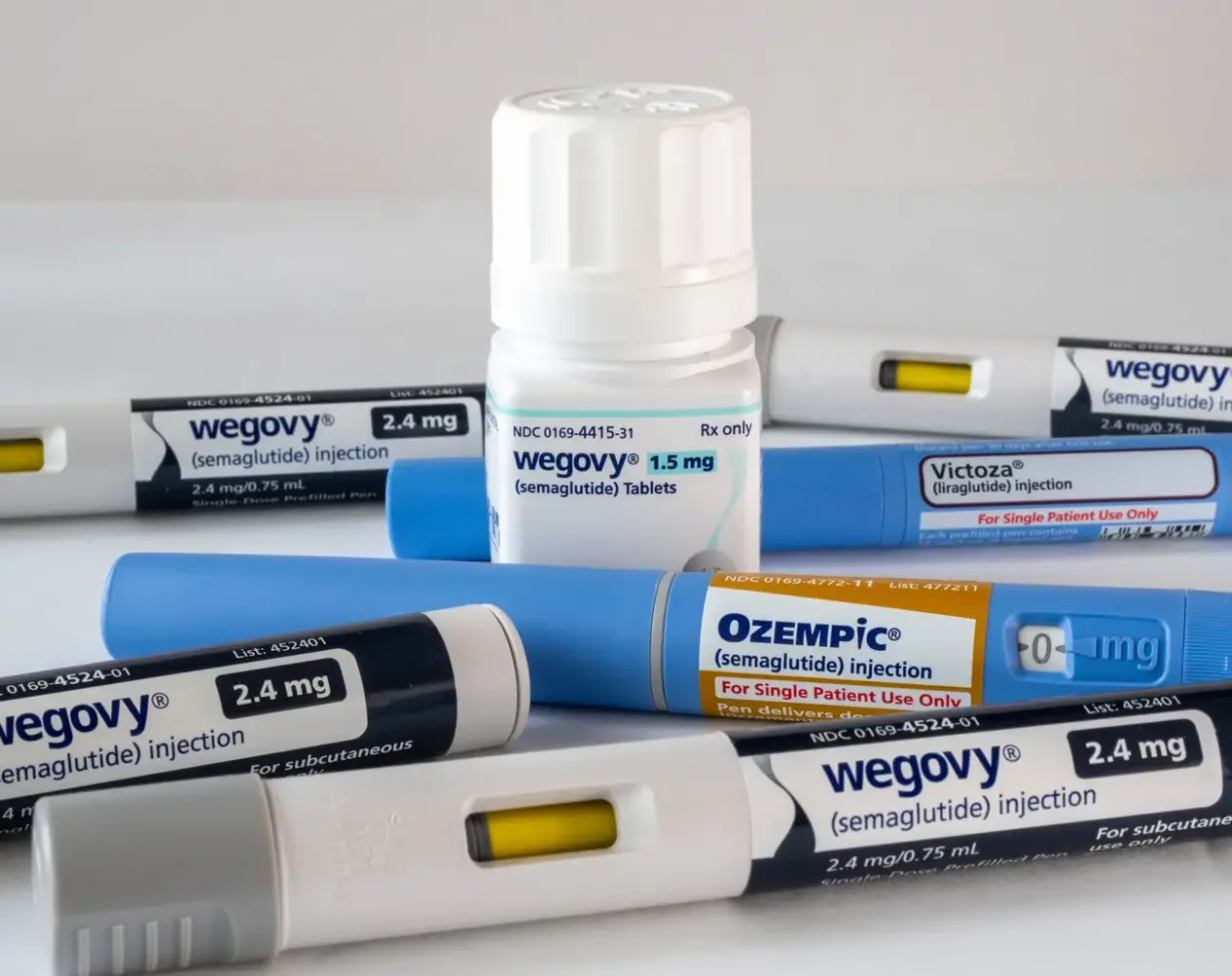
Global drugmakers have recognized this transformation, signing hundreds of billions of dollars in licensing deals over the past five years to access promising Chinese innovations. These partnerships help replenish pipelines amid rising development costs. For patients, this means potential acceleration in bringing novel treatments to market, particularly in high-need areas such as metabolic health where GLP-1 agonists like Ozempic have set benchmarks.
US policymakers face a critical juncture. Demands for further cuts to major science agencies— which fund foundational research leading to commercial breakthroughs—risk exacerbating a brain drain of top scientists. Meanwhile, China has prioritized technology, including pharmaceuticals, in its economic strategy, outspending the US on R&D as early as two years ago, per the Organization for Economic Co-operation and Development (OECD).
Explosive Growth in China's Early-Stage Drug Programs
These investments have driven unprecedented expansion. According to a study published last month in the Journal of the American Medical Association (JAMA), Chinese early-stage drug programs—critical precursors to approvals and capital raises—stood at around 800 in 2015. By 2024, they exceeded 6,000, marking a surge of more than 600%.
In contrast, US programs grew modestly from about 5,000 to 7,000 over the same period, with America's global share dropping from half to one-third. Data analyzed by the study's co-authors, So-Yeon Kang and Yunan Ji of Georgetown University, shows this trajectory persisted into 2025. China overtook the US in the second quarter, fueling a near-doubling of global early-stage projects over the past decade.
Why early-stage programs matter: These initiatives represent the innovation pipeline, testing novel compounds and mechanisms before large-scale trials. For patients with conditions like type 2 diabetes or obesity, a robust pipeline translates to more options, faster iterations on therapies like semaglutide (Ozempic's active ingredient), and potentially lower costs through competition.
China's Lead in Novel Medicines
Beyond quantity, China is advancing in quality. In 2025, for the first time, it launched more novel medicines—substances employing unprecedented mechanisms for treating diseases—than any other country, according to Citeline, a pharmaceutical intelligence provider. This milestone underscores China's role in addressing unmet needs, from oncology to metabolic disorders.
Key Drivers of China's Pharmaceutical Ascendancy
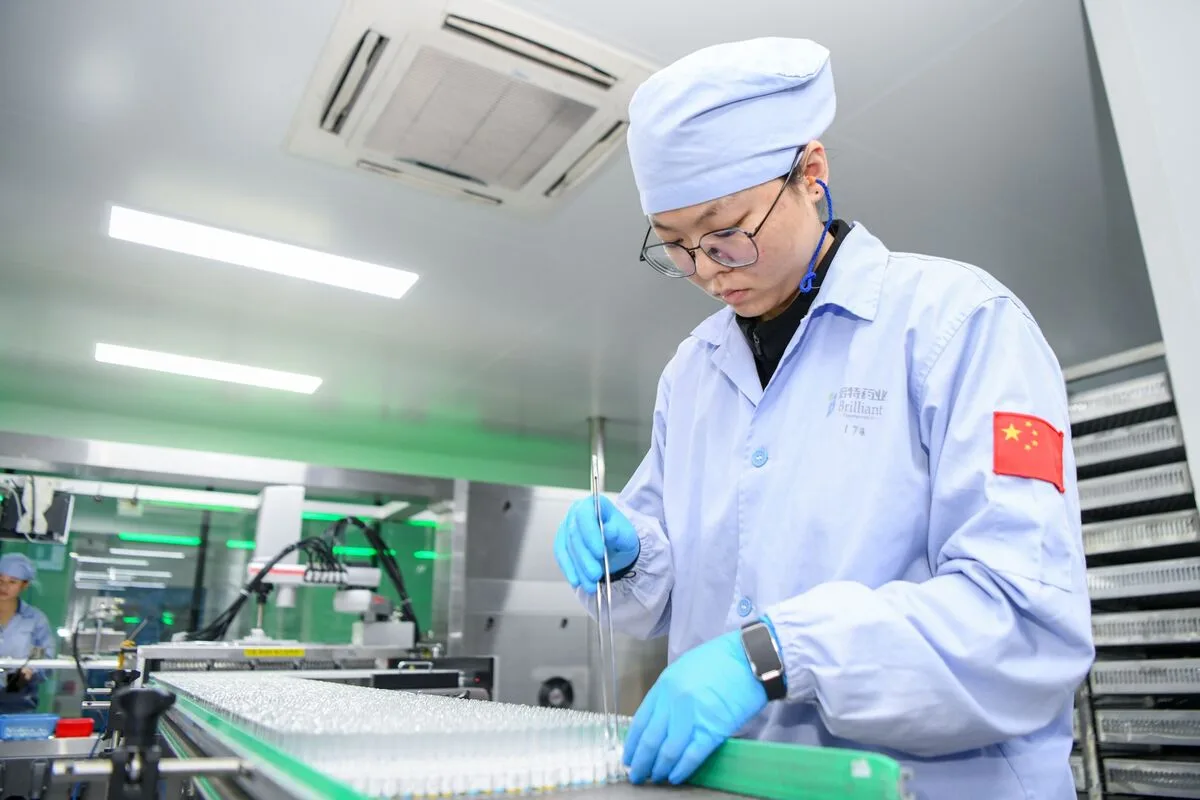
Several factors propel this rise, often overshadowed by media focus on semiconductors or AI. China's vast patient population enables clinical trials at half the cost and time of Western equivalents, accelerating data collection essential for regulatory approval.
Regulatory reforms have expedited drug approvals across categories. A diaspora of overseas-trained researchers has returned, bolstering expertise. Western firms provide capital, building on publicly funded foundations. Last year saw a record $133 billion in licensing deals, up from $50 billion in 2024, per Bernstein Research.
Precision tracking for your journey
Join thousands using Shotlee to accurately track GLP-1 medications and side effects.
📱 Get the Shotlee App
Track your GLP-1 medications, peptides, and health metrics on the go with our mobile app!
In metabolic health, this momentum hints at breakthroughs: new obesity treatments that may prove more effective than Ozempic. These could involve advanced peptides or multi-target mechanisms, offering patients superior weight loss, glycemic control, or cardiovascular benefits—though rigorous global trials remain essential.
Quality Metrics: Closing the Gap with the West
The Georgetown study emphasized quantity, but others affirm progress in innovation. Rebecca Liang and Ellie Li of Bernstein Research note that 17% of China's 2024 pharma pipeline comprised "first-in-class" treatments—pioneering drugs for unmet needs—versus 37% in developed markets. Liang observes this gap is narrowing, promising therapies that expand beyond GLP-1s like Ozempic into next-generation peptide therapies.
Implications for Patients and Global Health
This surge could yield better, cheaper medicines worldwide. However, challenges loom for overseas patients. Western physicians may hesitate to join trials in China's relatively homogeneous population, necessitating additional diverse studies for regulatory nods like FDA approval.
Patient guidance: If considering emerging therapies from Chinese innovators, discuss with your doctor the trial data's applicability to your demographics. Monitor responses closely—apps like Shotlee can help track symptoms, side effects, or adherence during transitions to new metabolic treatments. Compare options: While Ozempic reduces cardiovascular risks, next-gen drugs might offer enhanced efficacy with fewer gastrointestinal issues common to GLP-1s.
Safety considerations include ensuring post-approval surveillance for rare events, vital as pipelines diversify into peptides and biologics.
Geopolitical Tensions and the Path Forward
US-China pharma rivalry invites risks. Beijing should avoid weaponizing supply chains, such as restricting raw material exports. Washington must resist origin-based restrictions while bolstering domestic R&D to compete.
The US retains an edge in overall quality, but China's influence will expand. Collaborative frameworks can channel innovations to improve treatment access universally.
Key Takeaways for Patients and Policymakers
- China's early-stage programs hit 6,000+ in 2024 (600%+ growth since 2015), overtaking US in Q2 2025.
- Record $133B licensing deals signal global integration.
- 2025: China leads in novel medicine launches.
- Potential for superior obesity treatments beyond Ozempic.
- Diverse trials and geopolitics key to equitable access.
What this means for patients: Expect faster innovation in metabolic health, but prioritize evidence-based options. Consult providers on pipeline drugs, weighing efficacy, safety, and availability.
Conclusion: Navigating a Bipolar Pharma Future
China's pharma dominance marks a new era of opportunity and caution. By fostering cooperation, the world can harness this growth for affordable, effective therapies—benefiting millions managing obesity, diabetes, and beyond. Stay informed on pipelines to make empowered health decisions.