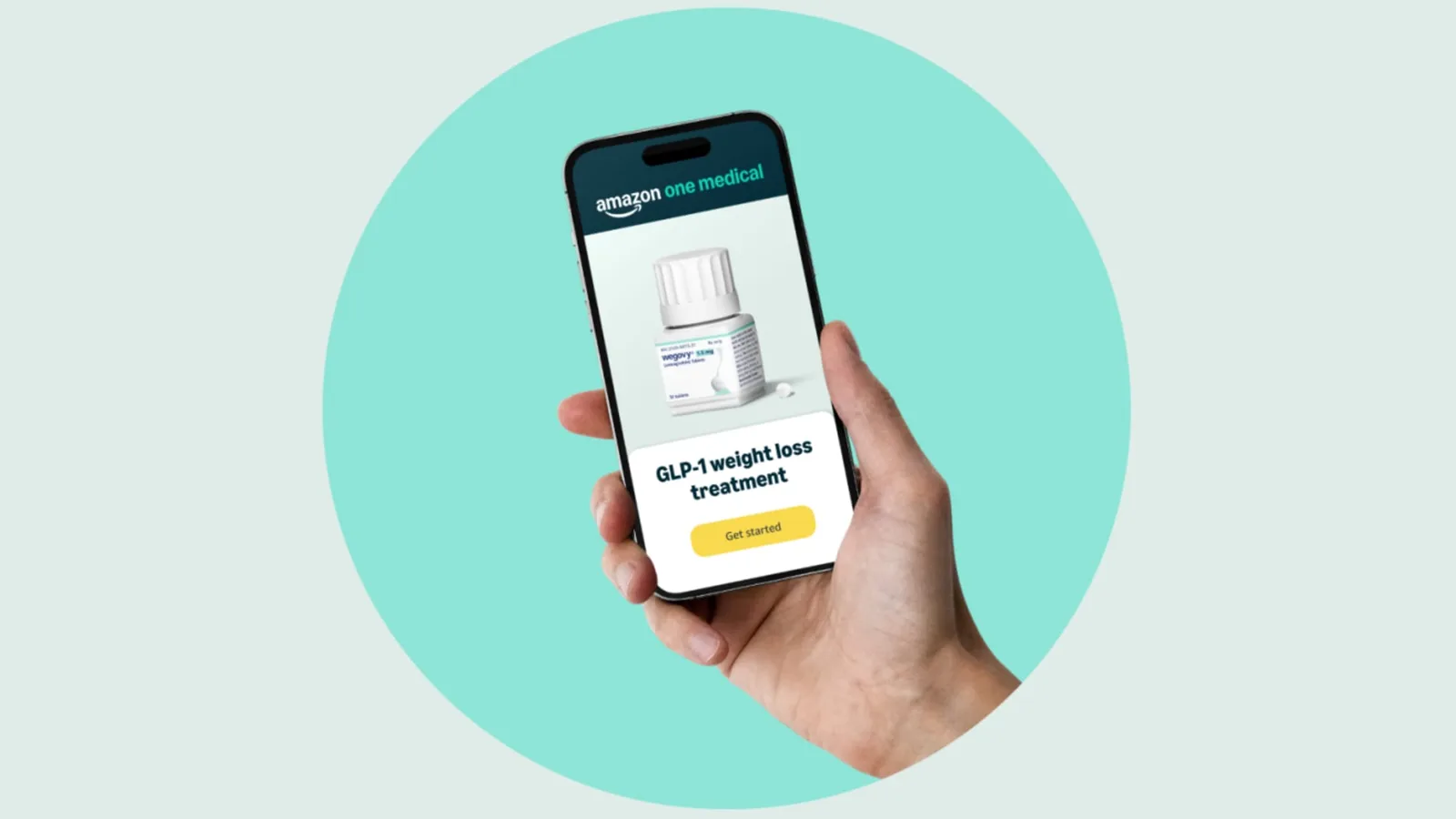

CDSCO Advisory Curbs Misleading Promotion of GLP-1 Obesity Drugs
The Central Drugs Standard Control Organization (CDSCO) has issued an advisory to pharmaceutical manufacturers, importers, and marketing authorization holders, emphasizing strict compliance with the Drugs and Cosmetics Act, 1940, and Rules, 1945. This directive specifically targets the promotion and marketing of prescription medicines, particularly GLP-1 receptor agonists and similar drugs indicated for obesity and metabolic disorders. In a release dated March 11 from New Delhi, CDSCO highlighted growing concerns over promotional activities that could mislead the public.
What Triggered the CDSCO Advisory on GLP-1 Drugs?
The advisory addresses promotional practices such as disease awareness campaigns and digital outreach efforts that indirectly promote prescription-only medicines to the general public. CDSCO clarifies that these drugs must be prescribed exclusively by Registered Medical Practitioners, strictly in line with approved indications and conditions of marketing authorization. Any form of direct or indirect advertisement to the public—whether on print, electronic, digital, or social media platforms—is strictly prohibited.
Activities that exaggerate therapeutic claims, guarantee weight-loss outcomes, or downplay the role of lifestyle modifications like diet and physical activity are deemed misleading. This comes amid rising interest in GLP-1 receptor agonists, medications originally developed for type 2 diabetes but now widely recognized for their efficacy in obesity management.
Understanding GLP-1 Receptor Agonists for Obesity and Metabolic Disorders
How Do GLP-1 Receptor Agonists Work?
GLP-1 receptor agonists mimic the action of glucagon-like peptide-1 (GLP-1), a hormone that regulates blood sugar, slows gastric emptying, and signals fullness to the brain. This mechanism leads to reduced appetite, improved insulin sensitivity, and significant weight loss—often 10-20% of body weight in clinical trials for obesity. Drugs in this class, such as semaglutide (found in brands like Ozempic or Wegovy) and liraglutide (Saxenda), are prescription-only because their use requires monitoring for side effects like nausea, gastrointestinal issues, or rare risks such as pancreatitis.
Why Are They Indicated for Obesity?
Obesity is a chronic metabolic condition linked to cardiovascular disease, diabetes, and other comorbidities. GLP-1 agonists offer a targeted pharmacological approach when lifestyle interventions alone are insufficient. However, their promotion must not overshadow the foundational role of diet, exercise, and behavioral changes, as emphasized in the CDSCO advisory.
Regulatory Framework: Drugs and Cosmetics Act, 1940 and Rules, 1945
India's Drugs and Cosmetics Act prohibits advertising prescription drugs to the public to prevent self-medication and ensure professional oversight. The CDSCO advisory reinforces this by directing stakeholders to adhere to ethical marketing standards. Manufacturers must provide proper prescribing information, establish consumer grievance mechanisms, and submit comprehensive Risk Management Plans (RMPs) for ongoing safety monitoring.
This framework protects patients from unsubstantiated claims, such as assured weight loss without effort, which could lead to inappropriate use and health risks.
Precision tracking for your journey
Join thousands using Shotlee to accurately track GLP-1 medications and side effects.
📱 Get the Shotlee App
Track your GLP-1 medications, peptides, and health metrics on the go with our mobile app!
Key Concerns in Promotional Activities
- Indirect Promotion: Disease awareness campaigns that subtly endorse specific drugs.
- Exaggerated Claims: Promises of dramatic, guaranteed results without evidence.
- Undermining Lifestyle: Portraying drugs as standalone solutions, ignoring comprehensive obesity management.
CDSCO stresses that obesity requires a multifaceted approach, including lifestyle interventions, positioning pharmaceutical therapy as a supportive element rather than a cure-all.
Implications for Patients, Doctors, and Pharma Companies
For Patients: Safe and Informed Use
If you're managing obesity or metabolic disorders, consult a Registered Medical Practitioner before considering GLP-1 receptor agonists. Discuss your medical history, as these drugs are not suitable for everyone—contraindications include thyroid cancer history or severe GI disorders. Combine therapy with sustainable diet and exercise for optimal results. Tools like Shotlee can help track symptoms, side effects, or medication adherence, supporting better doctor-patient communication.
Safety and Side Effects to Watch
Common side effects include nausea, vomiting, and diarrhea, which often subside. Serious risks, though rare, involve gallbladder issues or kidney problems. Regular monitoring via RMPs ensures long-term safety, aligning with CDSCO's directives.
For Healthcare Providers and Manufacturers
Doctors must prescribe per approved labels. Pharma firms face scrutiny for compliance, with potential penalties for violations. This advisory promotes transparency, fostering trust in India's growing metabolic health sector.
Comparison to Global Standards
Similar regulations exist worldwide: the FDA in the US restricts direct-to-consumer ads for prescription obesity drugs, while the EMA in Europe mandates evidence-based claims. India's CDSCO aligns with these, prioritizing public health amid GLP-1 demand surges.
Key Takeaways from the CDSCO Advisory
- GLP-1 receptor agonists are prescription-only; no public ads allowed.
- Avoid promotions exaggerating benefits or ignoring lifestyle changes.
- Obesity management: Integrate drugs with diet, exercise, and medical supervision.
- Stakeholders must submit RMPs and handle grievances.
What This Means for Metabolic Health in India
The advisory safeguards patients from hype, ensuring GLP-1 drugs support—not replace—holistic care. As obesity rates rise, this regulatory step underscores ethical promotion, empowering informed decisions. Patients should prioritize doctor consultations, lifestyle foundations, and reliable tracking for sustainable outcomes.
In summary, CDSCO's directive upholds the Drugs and Cosmetics Act to curb misleading practices, reinforcing that prescription medications like GLP-1 receptor agonists demand professional guidance for safe, effective use in obesity and metabolic disorders.