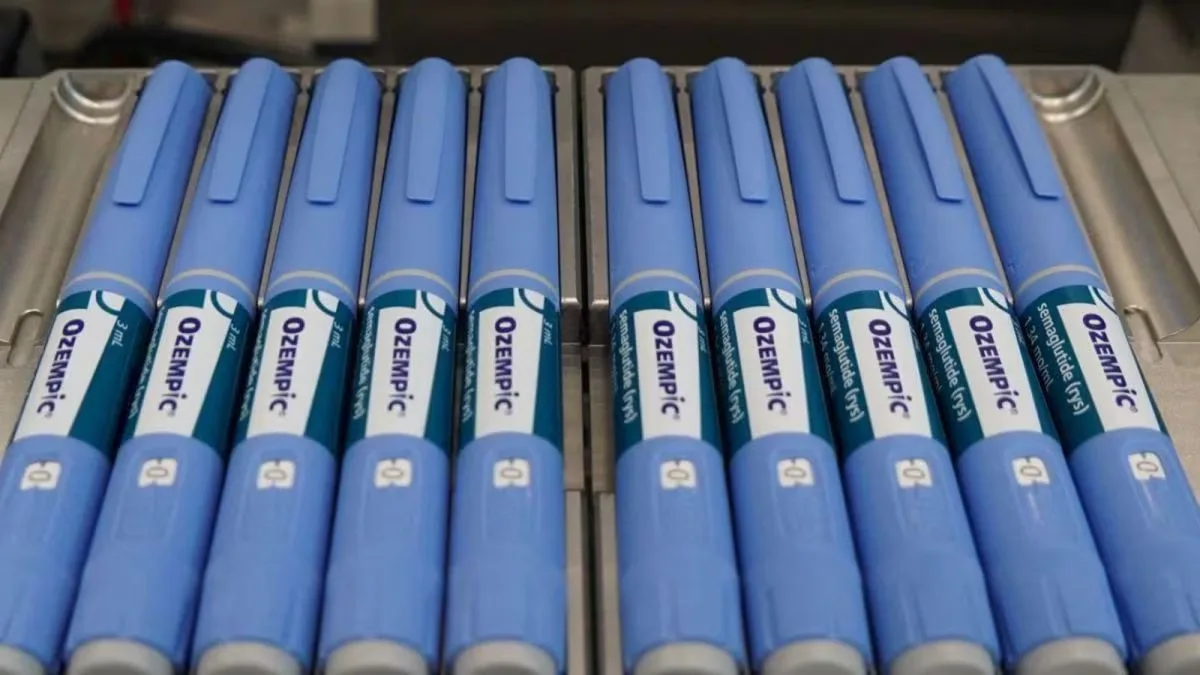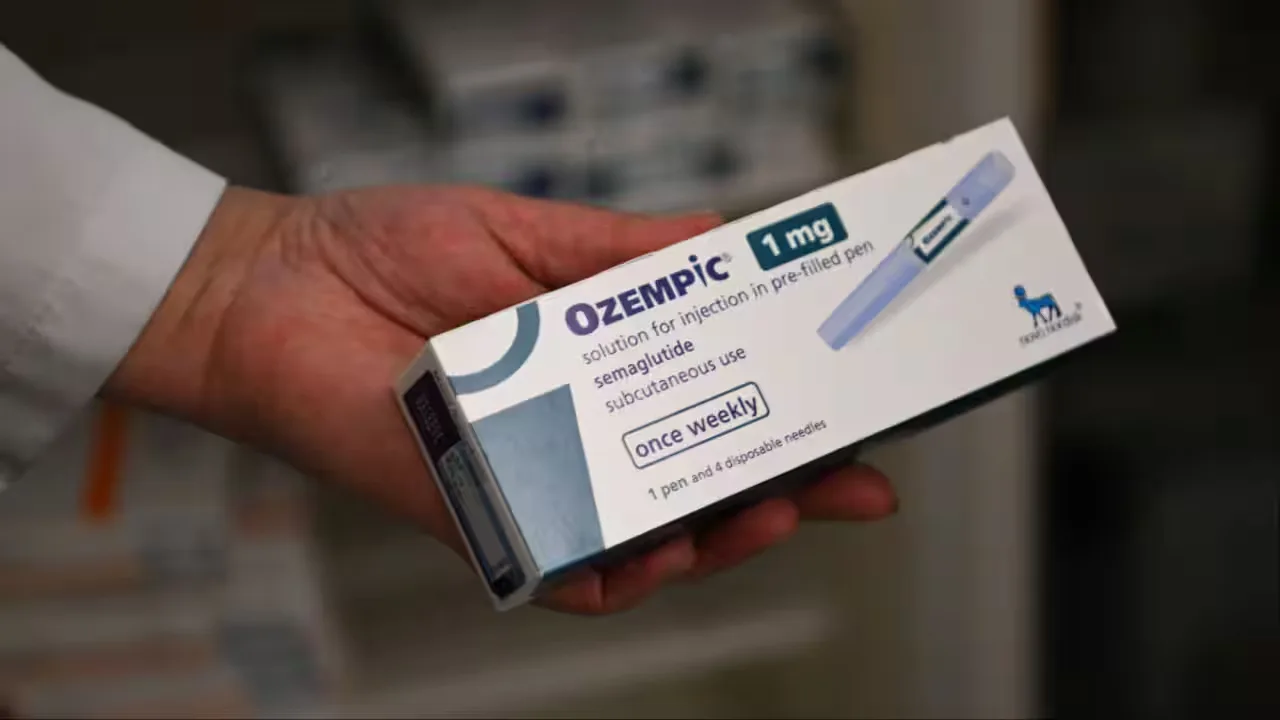

In the evolving landscape of metabolic health in India, GLP-1 drugs are poised to play a pivotal role. Healthify, a platform founded on personalized coaching for diabetes and weight management, could see its model supercharged by the impending accessibility of these therapies. A key inflection point arrives in 2026, when semaglutide—the active ingredient in leading GLP-1 medications—goes off patent in India, paving the way for affordable generics.
Understanding Healthify's Coaching Model and GLP-1 Integration
Healthify has built its reputation on data-driven coaching, combining AI insights, nutrition guidance, and behavioral support to help users manage metabolic conditions. As GLP-1 drugs gain traction globally for their efficacy in diabetes control and weight loss, the question arises: can these medications power Healthify's future growth? The answer lies in India's unique market dynamics, where high prevalence of diabetes (over 100 million cases) and obesity creates massive demand for scalable solutions.
Coaching alone addresses lifestyle factors, but pairing it with pharmacotherapy like GLP-1 agonists could enhance outcomes. Patients using semaglutide often report better adherence when supported by coaching, as it helps navigate side effects and sustain long-term habits.
What Are GLP-1 Drugs? Focus on Semaglutide
GLP-1 receptor agonists mimic the glucagon-like peptide-1 hormone, which regulates blood sugar, slows gastric emptying, and promotes satiety. Semaglutide, found in brands like Ozempic and Wegovy, has demonstrated superior glycemic control and up to 15-20% weight reduction in clinical trials.
In India, semaglutide has been a premium option due to patent protection, limiting access to affluent patients. However, its mechanism—enhancing insulin secretion while suppressing glucagon—makes it ideal for type 2 diabetes and obesity, conditions rampant in urban India.
Clinical Mechanism and Benefits
- Blood Sugar Control: Activates GLP-1 receptors in the pancreas for glucose-dependent insulin release.
- Weight Management: Reduces appetite via brain signaling and delays digestion.
- Cardiovascular Protection: Shown to lower risks in large trials like SUSTAIN and STEP.
These benefits align perfectly with Healthify's coaching focus, where users track progress and receive tailored advice.
2026: Semaglutide Patent Expiry as India's Inflection Point
Srikanth Mahadevan, director at Deloitte India, highlights 2026 as a defining moment for GLP-1 drugs in India. "What was once a premium, niche intervention will rapidly become a scalable, accessible solution," Mahadevan said.
This patent cliff will enable Indian manufacturers to produce low-cost semaglutide generics, drastically reducing prices from current levels (often ₹10,000+ per month) to potentially one-tenth. Nearly 70-80% of India's GLP-1 Phase III pipeline is centered on semaglutide, signaling strong industry confidence in its affordability and scale.
Unlocking Incremental Patients: Market Projections
Mahadevan estimates the shift could unlock 120,000-150,000 incremental patients across diabetes and weight management in the near term. This projection accounts for India's underserved middle class, where cost has been the primary barrier.
With diabetes affecting 1 in 10 Indians and obesity rising, generics could expand GLP-1 penetration from <1% to 5-10% of eligible patients, creating a $1-2 billion market opportunity.
Indian Pharma's Global Supplier Role
Indian pharmaceutical companies are positioning themselves as global suppliers of semaglutide generics across more than 80 markets, said Mahadevan. Firms like Dr. Reddy's, Sun Pharma, and Biocon are advancing in peptide synthesis, leveraging India's cost advantages and regulatory expertise.
Precision tracking for your journey
Join thousands using Shotlee to accurately track GLP-1 medications and side effects.
📱 Get the Shotlee App
Track your GLP-1 medications, peptides, and health metrics on the go with our mobile app!
This dual domestic-global strategy could accelerate R&D, further lowering prices and improving formulations like oral semaglutide.
How GLP-1 Accessibility Empowers Healthify's Future
For Healthify, cheaper GLP-1 drugs mean broader user adoption. Coaching platforms can integrate medication tracking, predict adherence issues via AI, and offer hybrid programs: GLP-1 therapy + behavioral coaching.
Imagine a diabetic user on generic semaglutide receiving real-time coaching alerts for nausea management or diet tweaks—Healthify's strength. This synergy could drive retention, with studies showing coached patients achieving 2x better A1C reductions.
Patient Guidance: Who Benefits and Next Steps
Ideal Candidates: Adults with BMI ≥27 kg/m² and comorbidities, or type 2 diabetes not controlled by metformin/oral agents.
Dosage Context: Semaglutide typically starts at 0.25 mg weekly, titrating to 1-2.4 mg.
Discuss with your doctor: BMI, kidney function, and pancreatitis history. Tools like Shotlee can help track symptoms, side effects, or injection schedules during therapy.
Safety and Side Effects
Common: Nausea (20-40%), vomiting, diarrhea—usually transient. Rare: Thyroid tumors (animal data), pancreatitis. Monitor gallbladder and renal function. No increased hypoglycemia alone, but caution with insulin.
Compared to alternatives like liraglutide, semaglutide offers once-weekly dosing and better weight loss.
Comparisons: Semaglutide vs. Other GLP-1s and Alternatives
| Drug | Dosing | Weight Loss (%) | India Availability |
|---|---|---|---|
| Semaglutide | Weekly | 15-20 | Branded; generics 2026 |
| Liraglutide | Daily | 5-10 | Generic available |
| Tirzepatide (dual) | Weekly | 20-25 | Emerging |
Semaglutide leads in efficacy, but generics will make it unbeatable on cost.
Key Takeaways
- 2026 semaglutide patent expiry in India unlocks generics, per Deloitte's Srikanth Mahadevan.
- 120,000-150,000 new patients for diabetes/weight management.
- 70-80% of India's GLP-1 pipeline focuses on semaglutide.
- Indian firms to supply 80+ global markets.
- Healthify's coaching + GLP-1 could redefine metabolic care.
Conclusion: Actionable Insights for Patients and Providers
The semaglutide shift positions GLP-1 drugs as a cornerstone for India's metabolic health battle, directly powering innovators like Healthify. Patients: Monitor patent news and consult endocrinologists for eligibility. Providers: Prepare hybrid coaching-pharma programs. This accessible future promises better outcomes for millions—stay informed on generics rollout.