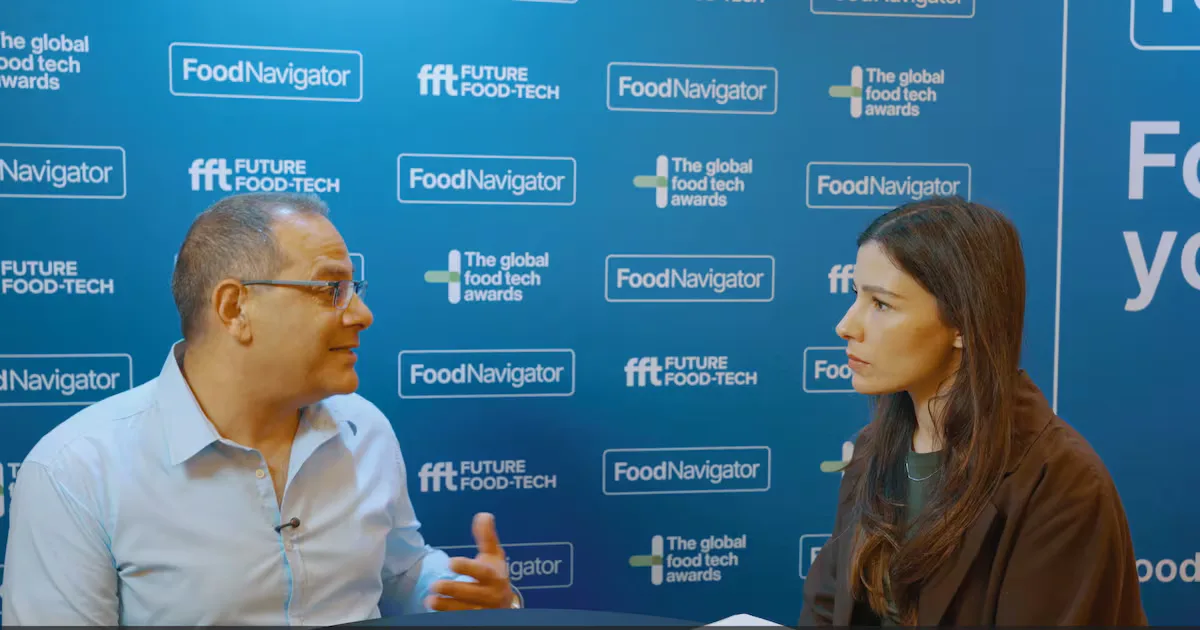

Biopeptides are emerging as a promising complement to GLP-1 drugs in the weight loss landscape. As GLP-1 drugs reshape how people eat, food-based bioactive peptides are gaining attention as a potential way to support satiety before, during, and after drug use. This approach highlights a shift toward integrating functional foods with pharmacological interventions for sustainable metabolic health.
The Rise of GLP-1 Drugs and Evolving Weight Management Needs
GLP-1 receptor agonists, such as semaglutide (found in Ozempic and Wegovy), have revolutionized obesity treatment by mimicking the glucagon-like peptide-1 hormone. This hormone regulates appetite, slows gastric emptying, and promotes insulin secretion, leading to significant weight loss in clinical trials. However, users often face challenges like muscle loss, gastrointestinal side effects, and the need for long-term strategies post-treatment.
Enter biopeptides: short chains of amino acids derived from food sources that act as bioactive signaling molecules. Unlike caloric functional foods, these peptides target satiety pathways directly, offering a natural adjunct to GLP-1 therapy. This synergy addresses a key gap—sustaining weight loss without relying solely on injections or pills.
Lembas' Vision: Biopeptides as GLP-1 Companions
Biotech startup Lembas is at the forefront of this innovation. During Future Food-Tech San Francisco, Lembas' CEO and Co-founder Shay Hillel emphasized that the next phase of weight management won't be led by pharma alone, but by functional foods designed to work alongside GLP-1 drugs.
"The next phase of weight management won't be led by pharma, but by functional foods designed to work alongside GLP-1 drugs," says biotech startup Lembas during Future Food-Tech San Francisco.
Lembas positions its biopeptides for food and supplements as complementary to GLP-1 drugs, not a replacement. They support satiety through food-based signaling rather than pharmacological intervention, Hillel explained.
Why Food Innovation Matters Now
Functional foods are evolving rapidly to meet the nutritional and satiety needs of GLP-1 users. Consumer packaged goods (CPG) brands are developing products in real time as these drugs evolve. While some experts argue food alone cannot replace GLP-1s, Hillel warns that if food companies don't innovate quickly, pharmaceutical companies will move into functional nutrition themselves.
"If food doesn't move, pharma will," he emphasized.
Hillel views GLP-1 drugs as an opportunity for the food industry, either as pre-treatments or post-treatments. "Either as pre-treatments or post-treatments for the food industry to take a role and lead with the right solution," he stated.
How Lembas' Biopeptides Activate Satiety Pathways
Lembas' biopeptides are short, bioavailable proteins that activate receptors in the gut and throughout the body to provide satiety. Hillel explained: "We are activating signaling related to GLP and other satiety hormones, but in a similar way that food activates them—without the calories."
Precision tracking for your journey
Join thousands using Shotlee to accurately track GLP-1 medications and side effects.
📱 Get the Shotlee App
Track your GLP-1 medications, peptides, and health metrics on the go with our mobile app!
While GLP-1 drugs primarily boost GLP-1 levels, Lembas' biopeptides aim to "activate the whole satiety cascade—not just one hormone." This broader activation delivers satiety for six to 12 hours, per Lembas' claims. By mimicking natural food signals, these peptides enhance feelings of fullness without adding dietary calories, making them ideal for GLP-1 users managing portion control.
Mechanistic Comparison:
- GLP-1 Drugs: Bind to GLP-1 receptors, suppressing appetite via central nervous system effects and delayed gastric emptying.
- Biopeptides: Trigger multiple gut hormones (e.g., GLP-1, PYY, CCK) through receptor activation, promoting holistic satiety.
For patients, this means potentially fewer cravings and better adherence to reduced-calorie diets. Tools like Shotlee can help track satiety responses and side effects when combining these approaches.
From Supplements to Everyday Foods: Delivery Formats
Supplements represent the "easiest format" for Lembas' biopeptides, but Hillel sees the real opportunity in integrating them into bars, drinks, fibers, and daily foods that fit consumers' lifestyles.
Unlike traditional functional foods that provide nutrition alone, Lembas' peptides act as signaling molecules. This positions them for CPG partnerships, with Hillel noting growing interest from brands eager to enter the GLP-1 landscape. Lembas is seeking funding and partnerships to scale, aiming for mass-market access.
Clinical Trials and Path to Market
The company is now beginning clinical trials in the US and Canada, according to Hillel. These studies will validate the peptides' efficacy in enhancing satiety and supporting metabolic health alongside GLP-1 drugs.
Patients considering biopeptides should consult healthcare providers, especially if on GLP-1 therapy. Discuss potential interactions, dosing, and monitoring for gastrointestinal tolerance. While GLP-1s have established safety profiles (common side effects include nausea and diarrhea), biopeptides offer a low-calorie, food-derived alternative with potentially milder effects.
Key Takeaways: What This Means for GLP-1 Users
- Biopeptides from Lembas complement GLP-1 drugs by activating full satiety cascades for 6-12 hours without calories.
- Functional foods could lead weight management innovation, preventing pharma dominance in nutrition.
- Clinical trials in US/Canada are underway; watch for integrations in bars, drinks, and supplements.
- For metabolic health, combine with doctor-guided plans; track progress with apps like Shotlee for symptoms and adherence.
Conclusion: A Collaborative Future for Weight Loss
Lembas' biopeptides represent a bridge between pharmacology and nutrition, empowering GLP-1 users with sustained satiety options. As Hillel emphasized, the company's goal is to reach the mass market, provide consumers with tools that complement drugs, and improve overall metabolic health. Stay informed on trial results and discuss with your doctor how food-based innovations might enhance your weight loss journey.