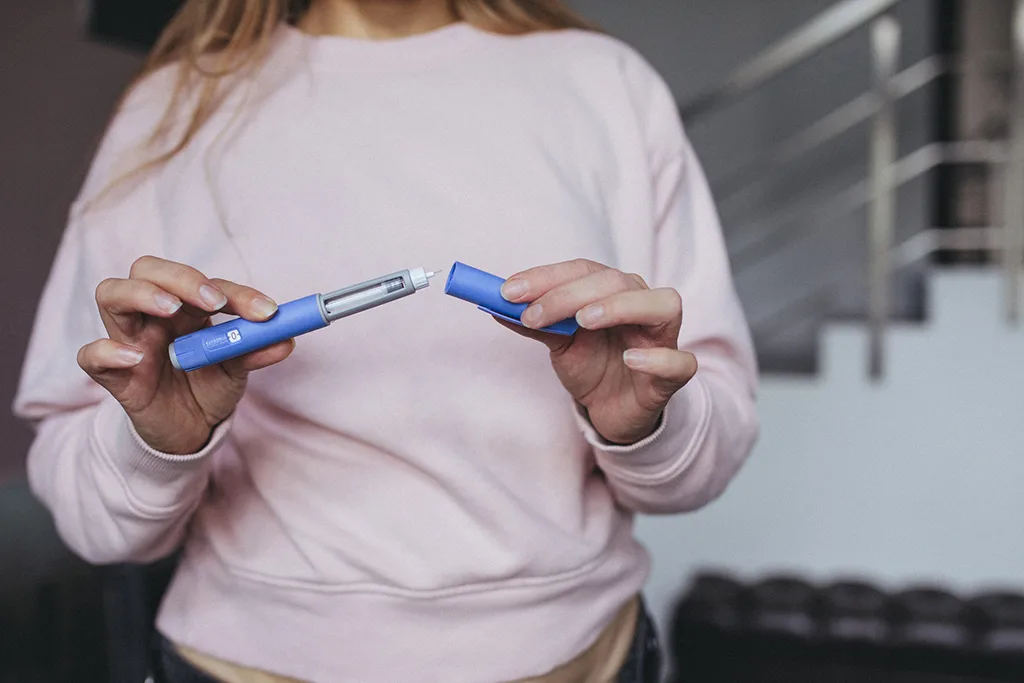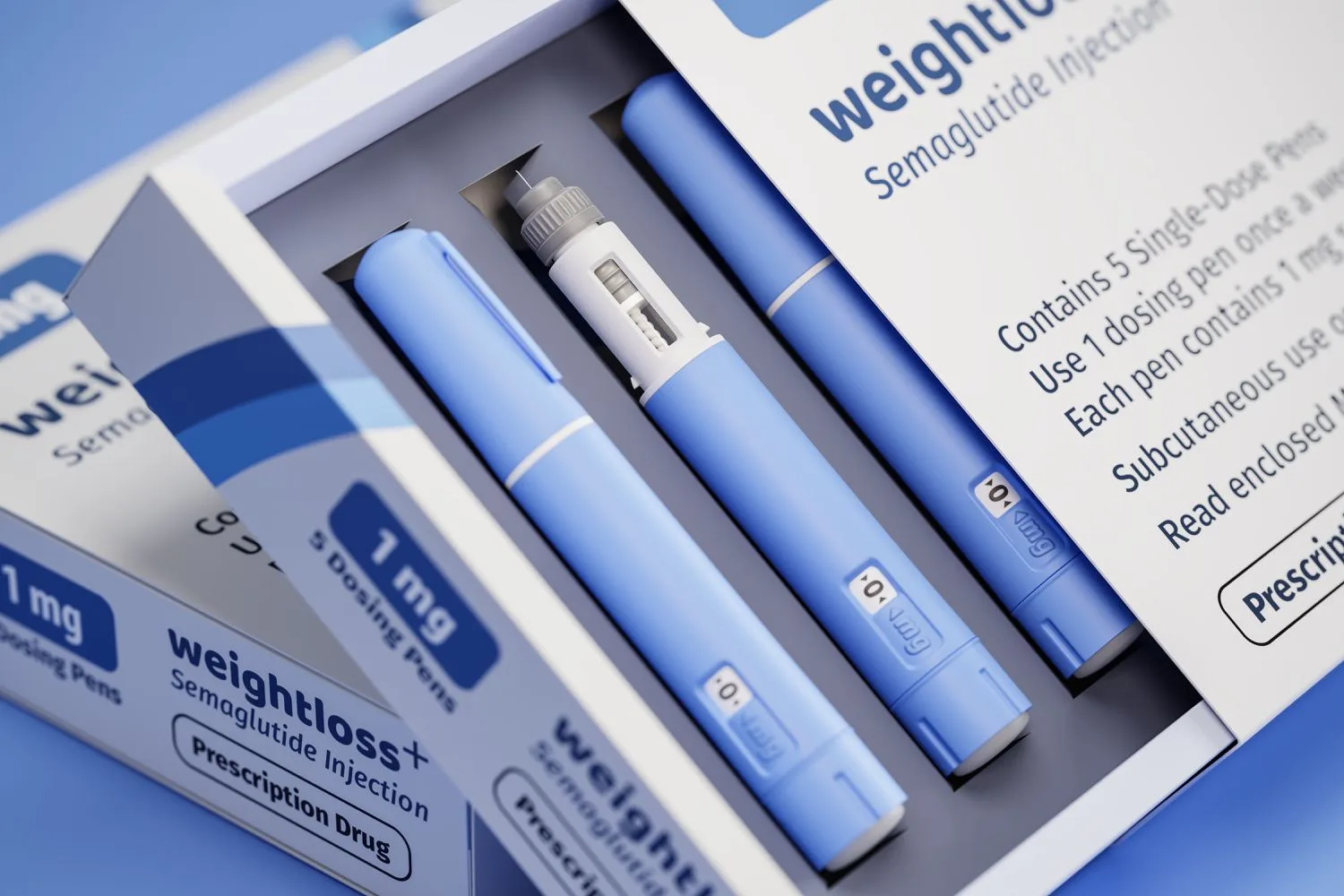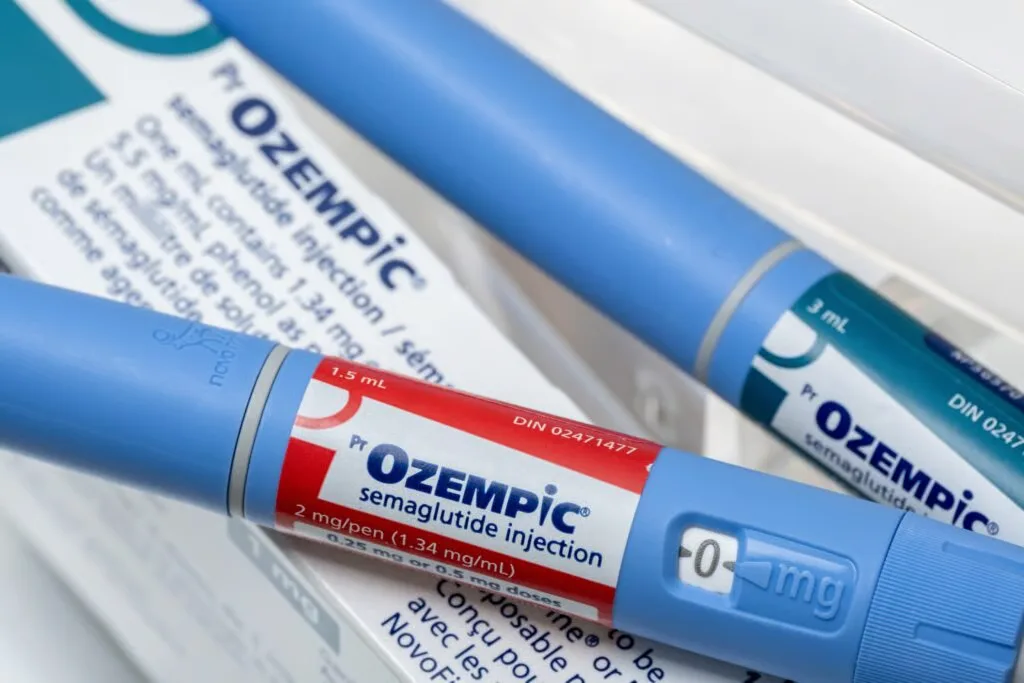

GLP-1 receptor agonists such as Ozempic and Wegovy, primarily prescribed for diabetes management and weight loss, may hold promise for chronic migraine reduction. A preliminary observational study reveals that patients with chronic migraine starting these drugs experienced fewer emergency department visits, hospitalizations, and needs for additional migraine treatments compared to those on traditional preventives like topiramate.
Study Overview: GLP-1 Drugs and Chronic Migraine
Chronic migraine affects millions, defined as headaches on 15 or more days per month for at least three months, with at least eight days featuring classic symptoms like throbbing pain, nausea, or light sensitivity. Managing this condition often involves trial-and-error with preventive medications, frequent emergency care, and escalating treatment needs.
Released on March 1, 2026, and set for presentation at the American Academy of Neurology's 78th Annual Meeting (April 18-22, 2026, in Chicago and online), this preliminary study analyzed health records from a database of patients with a recorded chronic migraine diagnosis.
Researchers compared two matched groups of approximately 11,000 people each:
- Those starting GLP-1 drugs (liraglutide, semaglutide, dulaglutide, exenatide, lixisenatide, and albiglutide) within a year of diagnosis, primarily for other conditions like diabetes or weight loss.
- Those starting topiramate, a common migraine preventive.
Groups were matched for age, body mass index (BMI), other health conditions, and prior migraine treatments. Outcomes tracked over the following year included emergency department (ED) visits, hospitalizations, nerve block procedures, and new prescriptions for acute (e.g., triptans) or preventive migraine medications.
"People with chronic migraine often end up in the emergency room or they need to try several preventive medications before finding one that can work for them," said study author Vitoria Acar, MD, of the University of Sao Paulo in Brazil.
"Seeing these patterns of lower use of emergency care and lower use of drugs to stop migraines or trying additional drugs to prevent migraines among people taking GLP-1 drugs for other conditions suggests that these therapies may help stabilize the disease burden in ways that we haven't fully appreciated yet."
Key Findings: Significant Reductions in Migraine Burden
After adjusting for age, body weight, comorbidities, and prior treatments, the study found compelling associations:
- 23.7% of GLP-1 starters had an ED visit in the following year, vs. 26.4% of topiramate starters—making GLP-1 users about 10% less likely to visit the ED.
- GLP-1 users were 14% less likely to be hospitalized.
- They were about 13% less likely to undergo nerve block procedures or receive triptan prescriptions.
- Lower likelihood of new preventive medications:
- 48% less likely to start valproate.
- 42% less likely to start calcitonin gene-related peptide (CGRP) monoclonal antibodies.
- 35% less likely to start tricyclic antidepressants.
- 23% less likely to start gepants.
- No statistically significant difference in starting beta blockers.
Understanding the Association
Importantly, this observational study shows association, not causation. Unmeasured factors like weight loss, lifestyle changes, or evolving migraine severity could influence results. Further randomized controlled trials are essential.
The study received support from patient philanthropy and Miles for Migraine.
How GLP-1 Drugs Like Ozempic May Help with Migraine
GLP-1 receptor agonists mimic glucagon-like peptide-1, a hormone that regulates blood sugar, slows gastric emptying, and promotes satiety. Semaglutide (Ozempic, Wegovy) is a leading example, administered weekly via injection.
Precision tracking for your journey
Join thousands using Shotlee to accurately track GLP-1 medications and side effects.
📱 Get the Shotlee App
Track your GLP-1 medications, peptides, and health metrics on the go with our mobile app!
Beyond metabolic effects, emerging research explores their anti-inflammatory and neurovascular mechanisms, potentially relevant for migraine:
- Anti-inflammatory effects: Reduce systemic inflammation linked to neurogenic inflammation in migraines.
- Neurovascular modulation: Stabilize blood vessel dilation and CGRP signaling, key migraine pathways.
- Metabolic overlaps: Chronic migraine often coexists with obesity, insulin resistance, sleep apnea, and depression—conditions GLP-1s address effectively.
As Dr. Acar noted: "Chronic migraine often overlaps with metabolic and inflammatory conditions such as obesity, insulin resistance, sleep apnea and depression, which can make treatment more difficult." These drugs' multifaceted actions may lighten the overall "disease burden."
Comparing GLP-1s to Traditional Migraine Preventives
Topiramate, an anticonvulsant, prevents migraines by modulating neuronal excitability but carries side effects like cognitive slowing, weight loss (or gain), and paresthesia. GLP-1s, while not FDA-approved for migraine, offer dual benefits for comorbid conditions.
| Outcome | GLP-1 Group | Topiramate Group | Relative Reduction |
|---|---|---|---|
| ED Visits | 23.7% | 26.4% | 10% |
| Hospitalizations | - | - | 14% |
| Nerve Blocks/Triptans | - | - | 13% |
Other migraine options like CGRP inhibitors (e.g., erenumab) or gepants (e.g., rimegepant) target specific pathways but lack GLP-1s' metabolic perks.
Safety Considerations and Side Effects
GLP-1 drugs are generally well-tolerated but can cause gastrointestinal issues (nausea, vomiting, diarrhea), especially initially. Rare risks include pancreatitis or thyroid tumors. For migraine patients, monitor for dehydration from vomiting, which could trigger attacks.
Topiramate risks kidney stones and metabolic acidosis. Always weigh benefits vs. risks with a healthcare provider.
What This Means for Patients with Chronic Migraine
If you have chronic migraine and conditions like obesity or diabetes, discuss GLP-1s with your neurologist or endocrinologist. They aren't a first-line migraine therapy yet, but off-label use for comorbidities shows promise.
Practical tips:
- Track symptoms, triggers, and medication effects—tools like Shotlee can help log headache frequency, ED visits, and side effects alongside GLP-1 dosing.
- Combine with lifestyle: hydration, sleep, stress management.
- Await RCTs for definitive proof.
Key Takeaways
- GLP-1 drugs like Ozempic associated with 10-14% lower ED visits/hospitalizations vs. topiramate in chronic migraine.
- 48% less likely to need valproate; 42% less for CGRP mAbs.
- Potential via anti-inflammatory/neurovascular effects, especially with metabolic comorbidities.
- Observational—needs more research.
- Consult doctors; track progress for personalized care.
Conclusion: A Promising Avenue in Migraine Management
This study spotlights GLP-1 receptor agonists' unexpected role in reducing chronic migraine burden beyond weight loss. While not proven causal, the findings encourage exploring these drugs for patients with overlapping conditions. Stay informed on upcoming research from the AAN meeting and beyond to optimize your migraine strategy.