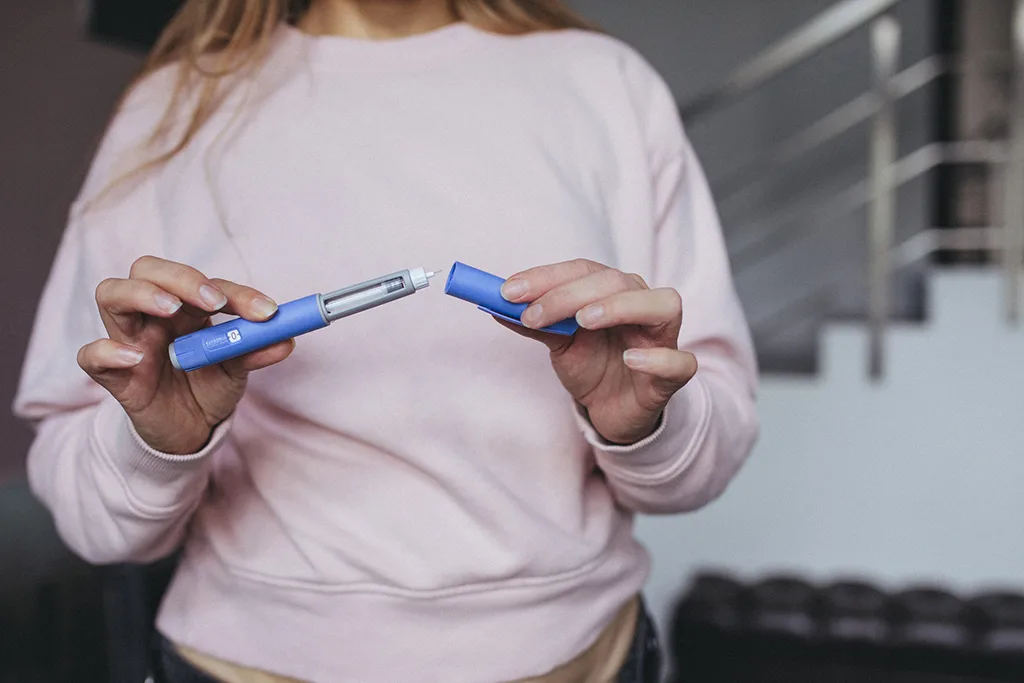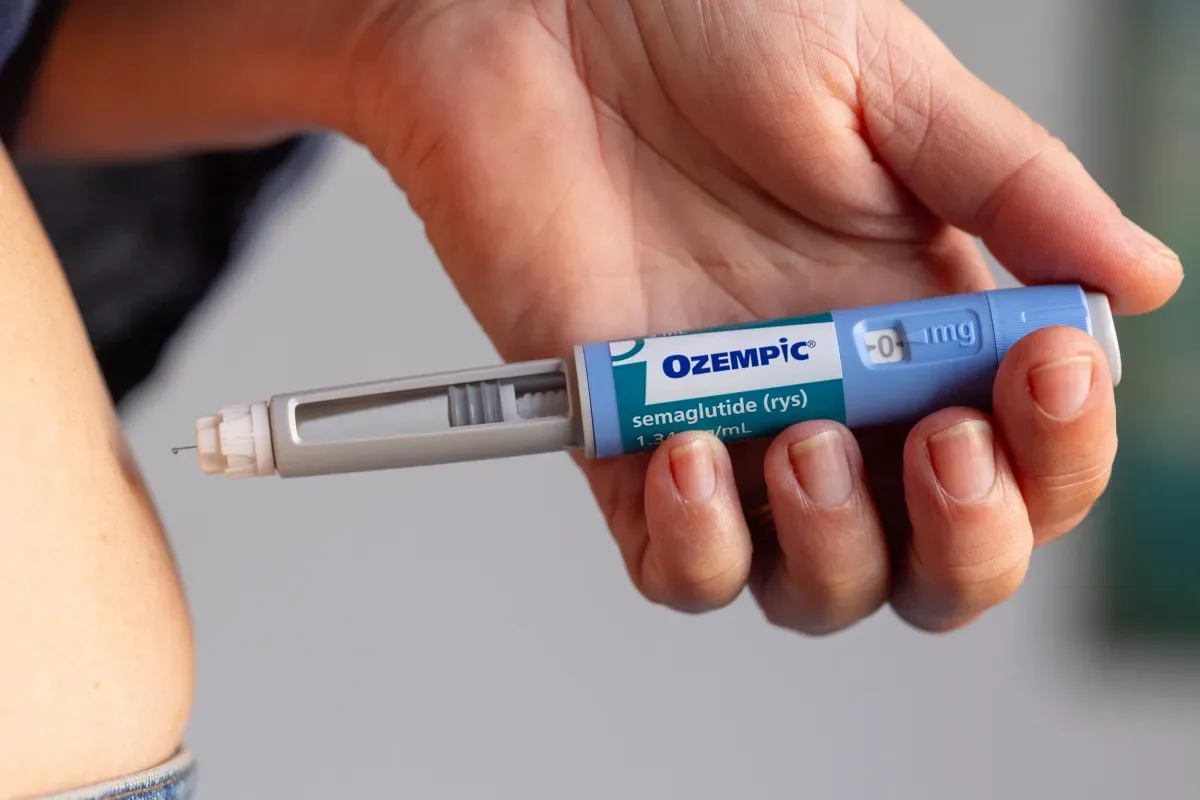

Aspen Pharmacare Holdings Ltd., a Durban, South Africa-based pharmaceutical company, is targeting regulatory approval between May and September for its copycat version of semaglutide, the key ingredient in Ozempic. This announcement from chief executive Stephen Saad in an interview underscores the company's ambition to be among the first to market in Canada, a market that serves as a benchmark for regulators in other nations. As demand for GLP-1 medications surges due to their efficacy in diabetes management and weight loss, this generic semaglutide pursuit could significantly impact accessibility and pricing worldwide.
Understanding Aspen Pharmacare's Strategic Move
Aspen Pharmacare Holdings Ltd. has positioned itself as a key player in the generics space, particularly for high-demand therapies. The company's focus on semaglutide—a glucagon-like peptide-1 (GLP-1) receptor agonist—aligns with the global shortage of branded Ozempic and similar drugs. By targeting Canada, Aspen leverages Health Canada's rigorous yet efficient approval process, which often influences decisions in emerging markets.
Stephen Saad emphasized the timeline in his interview, noting the window between May and September for approval. This aggressive schedule reflects Aspen's manufacturing capabilities and regulatory expertise, honed from its base in Durban, South Africa. Being first to market in Canada not only captures early revenue but also establishes a precedent for approvals elsewhere, where regulators reference established markets like Canada.
What is Semaglutide and Its Role in GLP-1 Therapy?
Semaglutide is the active ingredient in Novo Nordisk's Ozempic, a once-weekly injectable used primarily for type 2 diabetes but increasingly prescribed off-label for obesity. As a GLP-1 receptor agonist, it mimics the GLP-1 hormone, which regulates blood sugar by stimulating insulin release, suppressing glucagon, and slowing gastric emptying. This multifaceted mechanism not only improves glycemic control but also promotes substantial weight loss—often 15-20% of body weight in clinical use.
The demand for semaglutide has outstripped supply, driving interest in generics. Aspen's copycat version aims to replicate this profile, offering the same 0.25mg to 2.4mg dosing options as Ozempic, pending approval. For patients, this means potential continuity in therapy without branded price premiums.
Why Generics Matter for Metabolic Health
Generics lower costs by 30-80% compared to brands, making GLP-1 therapy accessible to more patients with type 2 diabetes or metabolic syndrome. In Canada, where public health plans cover many medications, a semaglutide generic could reduce out-of-pocket expenses and ease system-wide shortages.
The Canadian Regulatory Pathway for GLP-1 Generics
Health Canada reviews generic drugs via an Abbreviated New Drug Submission (ANDS), requiring bioequivalence to the reference product (Ozempic). This process typically takes 12-18 months but can accelerate for unmet needs. Aspen's May-September target suggests advanced filing and data readiness.
Canada's role as a benchmark is crucial: Approvals here often pave the way for Europe, Australia, and developing markets. For Aspen, a Durban-based firm with global reach, this foothold could accelerate launches in South Africa and beyond, where metabolic diseases are rising.
Precision tracking for your journey
Join thousands using Shotlee to accurately track GLP-1 medications and side effects.
📱 Get the Shotlee App
Track your GLP-1 medications, peptides, and health metrics on the go with our mobile app!
Insights from CEO Stephen Saad
Aspen Pharmacare Holdings Ltd. is targeting regulatory approval between May and September for its copycat version of semaglutide, the key ingredient in Ozempic... The Durban, South Africa-based company hopes to be among the first to market in Canada, helping it in other nations that look to established regulators as benchmarks.
— Stephen Saad, Chief Executive, in interview
Saad's comments highlight Aspen's competitive edge in peptide manufacturing, critical for complex molecules like semaglutide.
Implications for Patients Seeking GLP-1 Medications
For Canadian patients, Aspen's generic could mean faster access amid Ozempic shortages. Globally, it signals a shift toward affordable peptide therapy. Patients with type 2 diabetes should discuss switching with their endocrinologist, monitoring for bioequivalence confirmation post-approval.
- Who Benefits Most: Those on Ozempic facing high costs or supply issues.
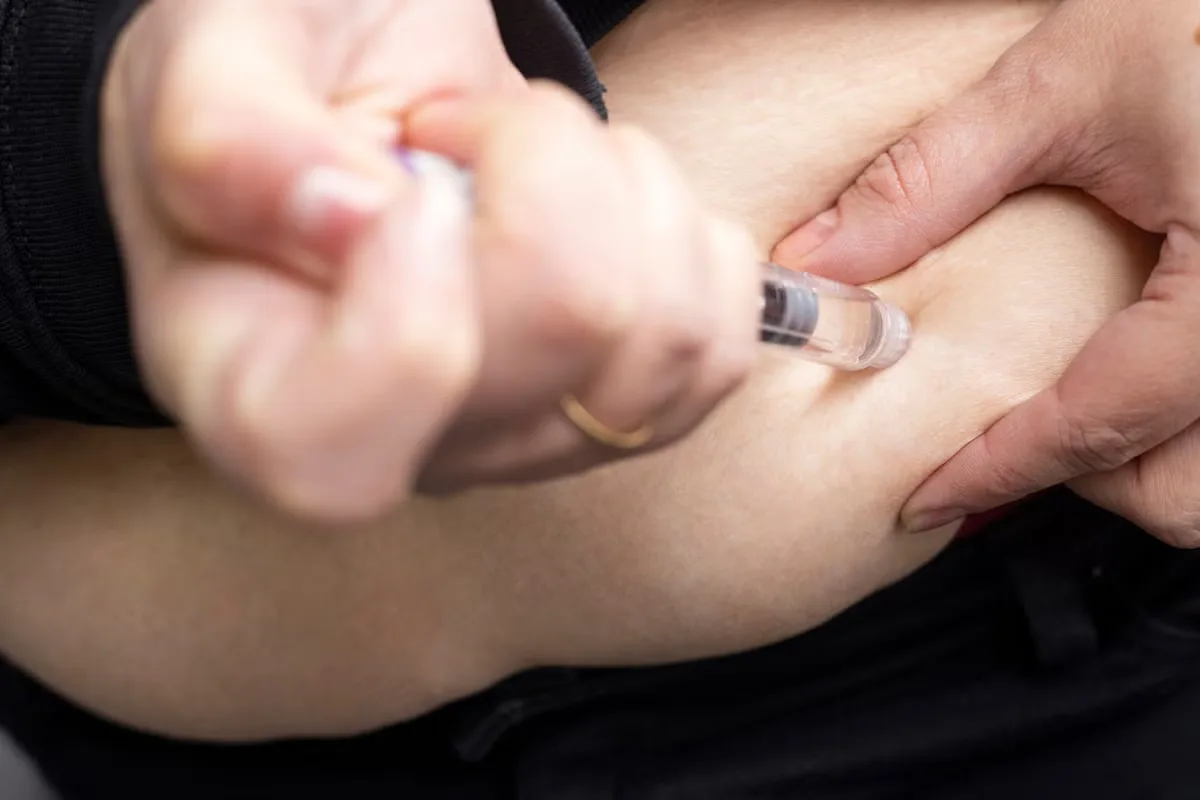
- What to Discuss with Doctors: Transition plans, injection technique, and glycemic monitoring.
- Tracking Tools: Apps like Shotlee can help log symptoms, side effects, or dosing schedules during transitions to generics.
Safety Profile and Side Effects of Semaglutide
Semaglutide's safety is well-established from trials like SUSTAIN and STEP, showing common GI side effects (nausea, vomiting) that diminish over time. Rare risks include pancreatitis or thyroid tumors, warranting baseline screening. Generics must match this profile; patients should report persistent issues promptly.
Patient Guidance for Starting or Switching
- Start low (0.25mg weekly) to minimize GI upset.
- Hydrate and eat smaller meals initially.
- Monitor A1C and weight quarterly.
Comparing Aspen's Generic to Branded Ozempic and Other GLP-1s
Branded Ozempic costs $900-1,300 monthly in Canada; generics could halve this. Competitors like Teva or Hims & Hers are eyeing U.S. semaglutide compounded versions, but Aspen's focuses on regulated generics. Versus tirzepatide (Mounjaro), semaglutide offers proven cardiac benefits from SELECT trial data.
| Feature | Ozempic (Brand) | Aspen Generic (Pending) |
|---|---|---|
| Ingredient | Semaglutide | Semaglutide (copycat) |
| Approval Target | Approved | May-Sept Canada |
| Expected Cost | High | Lower |
Global Market Impact and Future Outlook
A Canadian win for Aspen could trigger a wave of GLP-1 generics, easing patent cliffs post-2031 for semaglutide. In metabolic health, this democratizes therapy for obesity epidemics. Watch for updates on Aspen's progress, as first-mover status is pivotal.
Key Takeaways for Patients and Providers
- Aspen Pharmacare targets May-September approval for semaglutide generic in Canada.
- CEO Stephen Saad eyes first-to-market advantage for global benchmarks.
- Generics promise cost savings without compromising efficacy.
- Consult doctors for personalized GLP-1 plans; tools like Shotlee aid adherence.
- Stay informed on regulatory news for timely access.
In summary, Aspen Pharmacare's initiative preserves Ozempic's benefits at lower costs, advancing metabolic health equity. Patients should monitor Health Canada announcements for availability.