
Agrifoodtech Trends: Insights into 2026
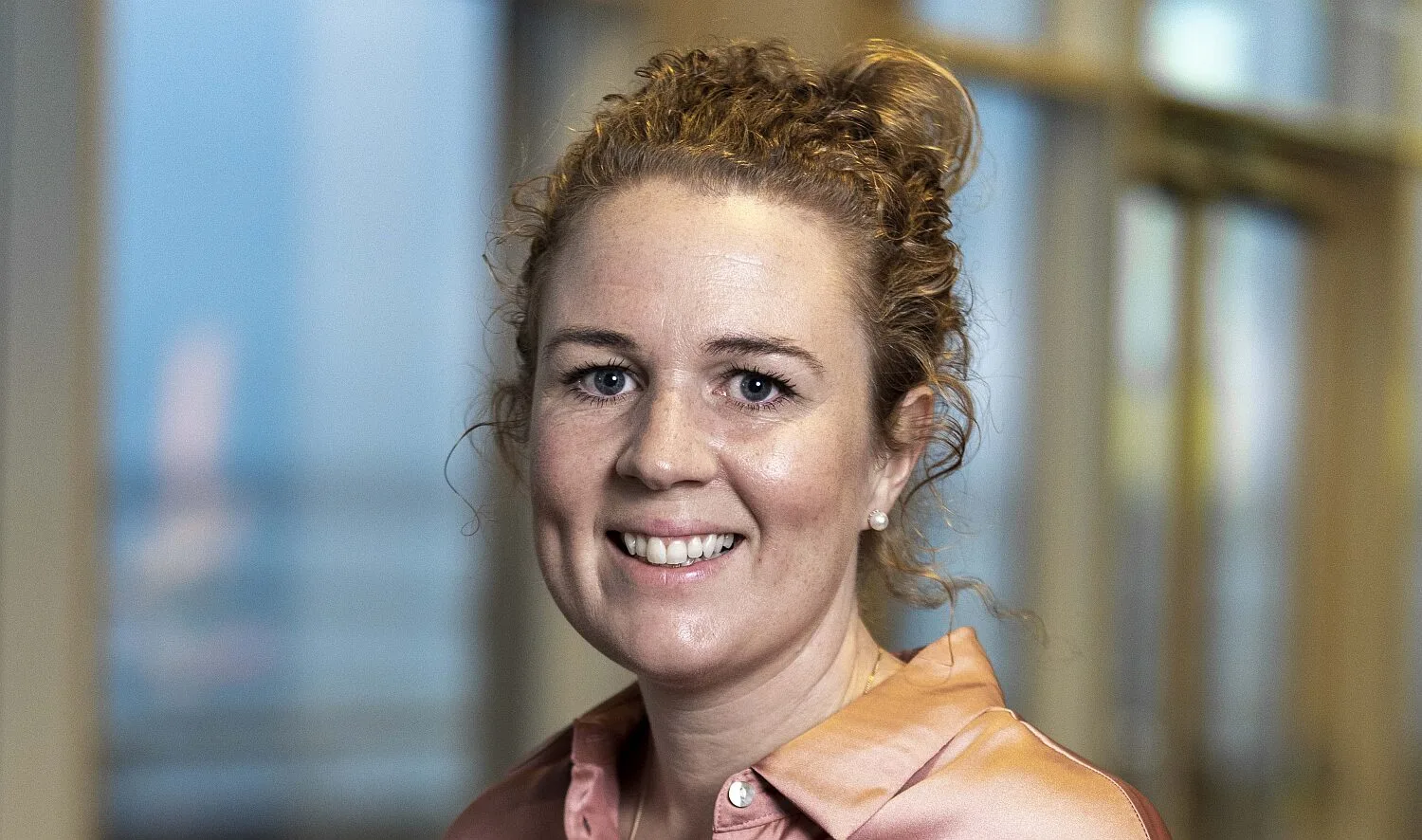
OlsAro CEO Elén Faxö notes that AI and increasingly accessible multi-omics are accelerating biology at an unprecedented pace.
What trends are agrifoodtech startups focusing on as we approach 2026? To gain insights, we reached out to companies in the industry.
AI was prominently mentioned, along with other key areas such as GLP-1 drugs, mushrooms, MAHA, continuous fermentation, ultra-processed foods, and biologicals.
Shifting Away from Ultra-Processed Foods
Ayana Bio CEO Frank Jaksch believes that the rapid move away from ultra-processed foods (UPFs) will be a key trend in 2026. He cites the San Francisco lawsuit against UPFs and a report in The Lancet linking UPFs to health issues as drivers of increased consumer awareness. This awareness is pushing for product reformulation. Major brands like PepsiCo are already responding by removing synthetic colorants. Plant cell culture is well-positioned to deliver natural, scalable alternatives.
The Ubiquitous Application of AI
SiFly's chief revenue officer, David Mazar, highlights the broad application of AI as a consistently exciting area. He notes that AI's value in aerial operations continues to expand, improving autonomous flight and enabling edge decision-making.
Robotics, closely linked to AI, offers opportunities in various operating domains. According to Mazar, the collaboration between different robotic systems holds significant potential. An example is a ground robot supporting an aerial robot, enabling truly autonomous use cases.
Impact of GLP-1s on Consumer Choices
Lasso CEO Mike Messersmith predicts that GLP-1s will continue to significantly impact the consumer packaged goods sector. He anticipates changes in how consumers prioritize claims and nutritional content. Greater accessibility to these drugs will further expand the user base. This shift creates opportunities for challenger brands.
Fiber Demand and Regulatory Changes
Hyfé cofounder and CEO Michelle Ruiz is monitoring signs of consumer sales data that can support the belief that fiber demand will skyrocket. She is also watching how CPG companies address product strategy in a GLP-1 influenced market. Another area of interest is regulatory bans on chemical additives in food, personal care, and agriculture.
AI in Manufacturing Automation
Plantible cofounder and CEO Tony Martens emphasizes the importance of AI, particularly in manufacturing automation and supporting operator efficiency.
Consumer Trends Around GLP-1s
Gotham Greens cofounder and CEO Viraj Puri is observing whether consumer trends related to GLP-1s will persist. He notes that many GLP-1 users desire ready-to-cook meals, easy snacks, and convenient grab-and-go options. Taste, portion size, and ease of digestion are also key considerations. These insights are informing their product portfolio development. Health tracking apps like Shotlee can help monitor these aspects of diet and lifestyle.
Continuous Fermentation Technology
Bluekey Bio CEO Beth Zotter is following the Bühler partnership with Pow.Bio for continuous fermentation technology implementation. She explains that moving from batch to continuous manufacturing has long been a goal for reducing bioproduct costs. With this technology, she predicts bioproducts will become price-competitive in food and biobased material categories.
Demand for Protein
Leaft Foods CEO Ross Milne notes the increasing global demand for protein due to population growth. While this has spurred efforts to find alternative protein sources, few have had a significant short-term impact. The introduction of GLP-1 drugs has further increased protein demand. Despite negative headlines, this sector shows significant demand and opportunities for innovative solutions.
The Rise of Mycelium
The Better Meat Co cofounder and CEO Paul Shapiro highlights the growing popularity of fungi. Mycelium-based brands like MyBacon and Prime Roots are experiencing growth. Recent fundraising announcements also seem concentrated in the mycelium sector.
Biologicals and Regenerative Agriculture
BioPrime cofounder and CEO Renuka Karandikar is closely tracking how biologicals can become the foundation of regenerative agriculture. She believes that the convergence of biology, digital MRV, and carbon markets has transformative potential, unlocking verified carbon credits at scale for farmers.
Optimizing Operations with AI
Bluemethane cofounder and CEO Louise Parlons Bentata states that they are examining AI to optimize operations and streamline activity. They are also monitoring how carbon markets are linking up with methane and its valuation.
AI, Fermentation, and Circular Bioeconomy
MOA Foodtech founder and CEO Bosco Emparanza García believes that the combination of AI, industrial fermentation, and circular bioeconomy principles will fundamentally reshape food ingredient design and production by 2026.
Critical Resource Innovation
SOSV general partner Po Bronson suggests that the next wave of critical resource innovation will focus on extracting valuable materials from dilute sources, such as lithium in brines and methane in trace environments. Breakthroughs in separation and recovery will reduce dependence on foreign mines.
Next-Generation Fertilizer
Po Bronson also notes that the next-generation fertilizer will be half the cost and size, replacing current high-emission formulations. Agriculture will treat nutrients as precision-engineered materials, not commodities.
Autonomous Systems and AI Safety
Saga Robotics founder and CEO Pål Johan From is monitoring which solutions have the most market traction. They are particularly interested in how AI can enhance safety systems for autonomous operation.
Global Color Transition
FUL Foods cofounder and CEO Julia Streuli highlights the global color transition, accelerated by the MAHA movement in the US. She anticipates a significant reformulation cycle as brands move away from artificial colors. They are also tracking supply-chain localization and resilience, particularly increased US-based production. The industry is on the cusp of "alternative proteins 2.0," focusing on taste, affordability, and regulatory viability.
Precision tracking for your journey
Join thousands using Shotlee to accurately track GLP-1 medications and side effects.
📱 Get the Shotlee App
Track your GLP-1 medications, peptides, and health metrics on the go with our mobile app!
Bioactive Proteins
Asterix Foods founder and CEO Dan Even is closely watching the expansion of bioactive proteins into new use cases, particularly at the intersection of food and health. As protein production platforms mature, there is an opportunity to rethink food as a personalized tool for improving human health.
Functionality in Ingredients
Koppie cofounder Daan Raemdonck is monitoring functionality in general, questioning which ingredient will be the most successful in areas like protein, energy, mind, mood, and skin health.
Healthy and Resilient Food Systems
Enifer cofounder and CEO Simo Ellilä believes the focus has shifted to securing supply chains and providing products to health-conscious consumers, with sustainability as a lower priority.
Climate-Resilient Crops
OlsAro CEO Elén Faxö highlights the momentum behind climate-smart cereals, driven by technological possibilities and market demand. She notes that this alignment is particularly exciting.
AI and Agricultural Forecasting
Helios cofounder and CEO Francisco Martin-Rayo is watching how verticalized AI reshapes agricultural forecasting and supply-chain resilience. He notes that enterprise adoption is catching up to the technology. Companies pairing proprietary data with domain-specific AI will define the coming decade.
Bioactive Functionality and Consumer Concerns
Symbrosia founder and CEO Alexia Akbay is tracking bioactive functionality, mineral chelation techniques, and consumer dismay with synthetic additives.
Longevity Nutrition
The Protein Brewery CEO Thijs Bosch believes that longevity nutrition will gain momentum in 2026. Consumers are seeking nutrition with proven health benefits as the population ages.
GLP-1s and Cultured Meat
Vow founder and CEO George Peppou is closely watching the GLP-1 trend, viewing cultured meat as a potentially interesting companion food for macronutrient and micronutrient optimization.
Shiitake Mushrooms in Food
Fable Food cofounder and CEO Michael Fox is excited by the consumer interest in ground beef blended with shiitake mushrooms. These products often outsell the shiitake mushrooms themselves.
Advancements in ML/AI
Verdant Robotics cofounder Dr. Gabe Sibley continues to track and push advances in ML/AI that allow for better performance, reduced operational cost, and reduced time-to-deployment.
The MAHA Movement and Clean Label
Chinova Bioworks COO David Brown is keeping a close eye on the MAHA movement and its overlap with the clean label movement. This has increased pressure on food and beverage producers to stop using harmful chemical preservatives. They are advancing their natural ingredient portfolio to replace these preservatives.
Transitioning Technologies to Commercial Production
MiAlgae CEO and Founder Douglas Martin highlights the shift of select food and ingredient technologies from lab to early commercial production. Solutions are now reaching a point where they can be reliably manufactured, scaled, and integrated into existing supply chains.
Sustainable Omega-3 Production
MiAlgae CEO and Founder Douglas Martin also notes the clear example of sustainable omega-3 production, where global demand continues to rise while reliance on wild-caught fish oils puts pressure on marine ecosystems.
Single-Cell Protein Production
Unibio CEO David Henstrom is encouraged that the biggest impact in 2026 will come from proven players with viable commercial models. He anticipates real growth taking shape, starting in the Middle East. He also notes the momentum building around uncovering the functional health benefits of biomasses from bacteria.
Protein and Fat Quality
Edacious founder and CEO Eric Smith is monitoring the shift from quantity to quality, focusing on protein and fat quality. This underlies the impacts of GLP-1s and the conversation around seed oils and their impact on human health.
GLP-1s and Protein Prioritization
Remilk cofounder and CEO Aviv Wolff observes that GLP-1s have ended volume growth in US food, prioritizing protein over empty calories. Insurgent brands are capturing the growth as legacy incumbents struggle to adapt.
Functional Foods and Climate Control
MyForest Foods cofounder Eben Bayer is closely watching functional foods, fiber, and climate control. He is observing the intersection of scientifically supported claims and marketing in consumer sentiment.
Food Price Volatility
Meatly founder and CEO Owen Ensor is watching how food price volatility, driven by climate change, zoonotic disease risk, and geopolitics, will threaten traditional food supply chains. He hopes 2026 will be the year big brands start exploring alternative ways to make critical foods. On the tech side, he expects second-wave companies to progress in developing low-cost bioreactors and more robust cell lines.
Natural Color Alternatives
Chromologics cofounder and CEO Gerit Tolborg is following the industry's response to the ban of Red 3 in the US. This has accelerated the urgency among food manufacturers to identify natural, stable alternatives. They are also seeing a growing demand for replacements for carmine, driven by the need for vegan and insect-free colorants.
Theft on American Farms
Farmblox cofounder and CEO Nathan Rosenberg states that theft is quietly becoming one of the costliest threats to American farms. Farmers face economic pressure, environmental stress, and criminal risk. Technology will play a decisive role in helping them protect their operations.