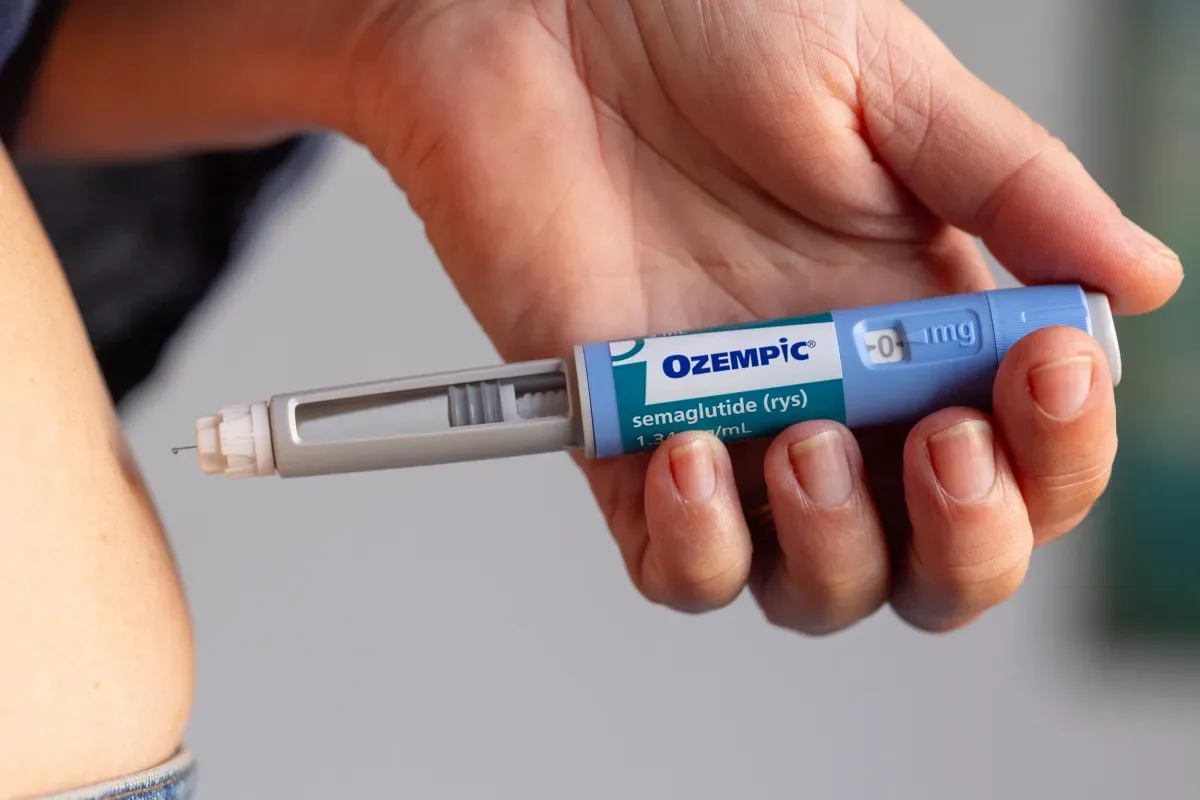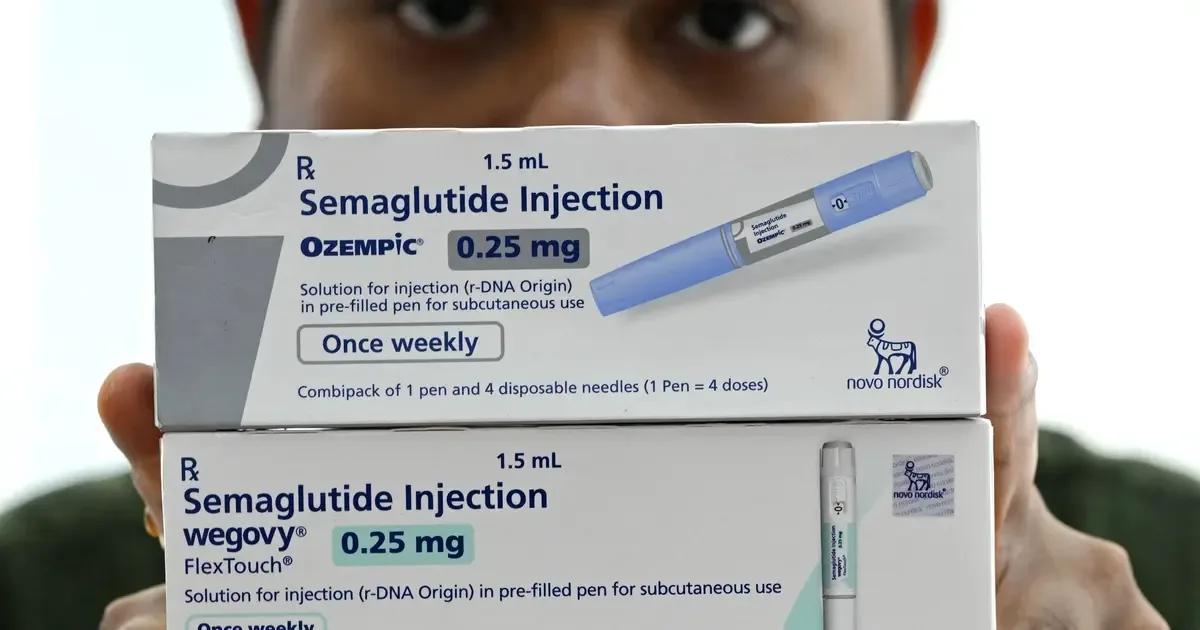

India's post-patent semaglutide market is witnessing an intense scramble as more than 50 brands gear up to enter the fray in the coming months. This surge reflects the high demand for GLP-1 medications like semaglutide, used widely for type 2 diabetes and weight management. However, the rollout is likely to remain measured by Indian standards, given the complexity and stringent quality controls involved in manufacturing GLP-1 drugs.
The Post-Patent Boom in India's Semaglutide Landscape
Semaglutide, the active ingredient in blockbuster drugs like Ozempic and Wegovy, has transformed metabolic health treatment globally. In India, where diabetes affects over 100 million people, the expiration of patents opens doors for generic and biosimilar versions. This shift promises greater affordability, potentially slashing costs from thousands of rupees per dose for branded versions to a fraction for local brands.
The 'one goal, 50 brands' scenario underscores a competitive race among Indian pharma companies. Post-patent, manufacturers can produce semaglutide without licensing fees, fueling innovation in peptide therapy. Yet, this opportunity comes with hurdles that could temper the pace of market entry.
Why Semaglutide Manufacturing is No Simple Task
Industry experts caution that semaglutide manufacturing is far from simple. Harshad Lalwani, Founder and CEO of Hummsa Biotech, explained that semaglutide is a 31-amino acid lipidated peptide and its large-scale synthesis involves complex processes such as solid-phase peptide synthesis, a critical lipidation step that enables its seven-day half-life, preparative HPLC purification, and strict impurity profiling.
Semaglutide is a 31-amino acid lipidated peptide and its large-scale synthesis involves complex processes such as solid-phase peptide synthesis, a critical lipidation step that enables its seven-day half-life, preparative HPLC purification, and strict impurity profiling.
— Harshad Lalwani, Founder and CEO of Hummsa Biotech
Understanding Semaglutide's Mechanism and Structure
Semaglutide belongs to the GLP-1 receptor agonist class, mimicking the glucagon-like peptide-1 hormone to stimulate insulin release, slow gastric emptying, and reduce appetite. Its lipidation—a fatty acid chain attached to the peptide—extends its half-life to about seven days, allowing once-weekly dosing. This structural innovation is key to its efficacy but demands precision in synthesis.
Solid-phase peptide synthesis (SPPS) builds the 31-amino acid chain stepwise on a resin support, a method pioneered for complex peptides. The lipidation step follows, conjugating a C18 fatty diacid to lysine at position 26, enhancing albumin binding for prolonged circulation. Preparative high-performance liquid chromatography (HPLC) then purifies the product to pharmaceutical grade, while impurity profiling ensures batches meet regulatory standards like those from CDSCO or USFDA.
Regulatory and Quality Hurdles in India
India's drug regulator, the Central Drugs Standard Control Organization (CDSCO), enforces bioequivalence studies and stability testing for generics. For peptides like semaglutide, Good Manufacturing Practices (GMP) certification is mandatory, involving cleanroom facilities, lyophilization for stability, and cold-chain logistics. These factors explain the measured rollout despite the brand rush.
Precision tracking for your journey
Join thousands using Shotlee to accurately track GLP-1 medications and side effects.
📱 Get the Shotlee App
Track your GLP-1 medications, peptides, and health metrics on the go with our mobile app!
India's Diabetes Crisis and Semaglutide's Role
With diabetes prevalence projected to reach 134 million by 2045, India needs accessible therapies. Semaglutide has shown superior glycemic control and cardiovascular benefits in trials like SUSTAIN, reducing A1C by up to 1.8% and body weight by 15%. Post-patent versions could make these benefits available to middle-class patients previously priced out of branded options.
Compared to older diabetes drugs like metformin or sulfonylureas, GLP-1s like semaglutide offer multi-target action: better weight loss, lower hypoglycemia risk, and heart protection. In India, where obesity fuels the epidemic, this positions semaglutide as a cornerstone of metabolic health management.
Patient Guidance: Navigating the Semaglutide Boom
For patients considering semaglutide, consult endocrinologists to assess suitability, especially with BMI over 27 or poor glycemic control. Discuss injection training, as it's subcutaneous weekly. Post-patent brands may vary in price (Rs 2,000-5,000/month vs. Rs 10,000+ for brands), but prioritize CDSCO-approved ones with proven bioequivalence.
Common side effects include nausea, vomiting, and diarrhea, often transient. Monitor thyroid risks and pancreatitis. Tools like Shotlee can help track symptoms, side effects, or dosing schedules during therapy initiation.
Safety Considerations and Market Watchpoints
Quality control is paramount amid 50+ entrants. Impurities from suboptimal synthesis could reduce efficacy or cause reactions. Patients should verify batch numbers and avoid unverified online sellers. Physicians may prefer established players with clinical data.
Globally, semaglutide shortages have occurred due to demand; India's supply chain could stabilize prices but requires vigilant oversight.
Key Takeaways for Patients and Providers
- Over 50 semaglutide brands are expected in India's post-patent market, promising affordability.
- Manufacturing complexity—SPPS, lipidation, HPLC, impurity checks—will pace the rollout.
- Semaglutide's 31-amino acid structure enables weekly dosing via seven-day half-life.
- Discuss with doctors for personalized use; prioritize quality-approved generics.
- India's diabetes burden amplifies the need for accessible GLP-1 therapy.
Conclusion: A Measured Path to Broader Access
The scramble for India's post-patent semaglutide market signals a pivotal moment for peptide therapy. While 50+ brands chase the opportunity, expert insights like those from Harshad Lalwani highlight the technical barriers ensuring only capable players succeed. Patients stand to gain from lower costs and expanded options, but success hinges on quality. Stay informed, consult professionals, and monitor regulatory approvals for safe adoption of this vital metabolic health tool.