Picture a friend handling their morning routine entirely from their phone: checking bank balances on apps like Kuda or GTB, ordering breakfast via Chowdeck, or scheduling meetings. Many activities, including this article, are now digital.
Fintech revolutionized finance, e-commerce transformed shopping, and food delivery changed meals. Yet, healthcare—the most vital part of life—still feels stuck in the past.
Existing Tech Can Transform Healthcare
"The technology to solve this already exists. We're not waiting for some breakthrough innovation. The digital infrastructure powering our banking apps, food delivery services, and ride-hailing platforms can all be applied to healthcare."
The Risks of Poor Healthcare Access
When healthcare is hard to access, people adapt unsafely. They search symptoms online, self-medicate, or reuse old prescriptions without doctor consultation. Antibiotics are bought over the counter due to inconvenience or time constraints.
Nigeria's Self-Medication Statistics
Research shows 47.7% of Nigerians with tertiary education self-medicate with antibiotics. Key reasons include:
- Inconvenience and limited doctor access
- Financial constraints
- Ease of buying prescription drugs without oversight
This fuels a public health crisis.
Antimicrobial Resistance (AMR) Crisis
In 2019, Nigeria had 64,500 deaths directly from AMR and 263,400 associated with drug-resistant infections. Projections estimate up to 249,000 AMR-associated deaths annually by 2030.
These 64,500 deaths exceeded combined totals from enteric infections, tuberculosis, respiratory infections, maternal/neonatal disorders, neglected tropical diseases, malaria, and cardiovascular diseases. Nigeria ranks 20th globally for age-adjusted AMR mortality.
Resistance arises from access barriers: full-day work absences for doctors, costly tests, and pharmacies as primary care options. People choose pragmatically, with long-term harm.
Digital Health Platforms to the Rescue
The technology exists today. Platforms apply banking-like security and convenience to healthcare.
Precision tracking for your journey
Join thousands using Shotlee to accurately track GLP-1 medications and side effects.
📱 Get the Shotlee App
Track your GLP-1 medications, peptides, and health metrics on the go with our mobile app!
Founded in 2019, OneHealth makes health management as seamless as financial portfolios. Prescription refills become as simple as transfers.
Patients connect with telemedicine doctors in minutes. A nationwide pharmacy network covers all 36 states and over 2,000 locations. It has served over 100,000 patients, including 56,000 last year, partnering with 15+ HMOs for seamless data flow.
Pharmacist-trained professionals handle interactions, dispensing prescription drugs only with valid scripts. Telemedicine provides quick consultations; lab partnerships enable diagnostics. This ensures compliance without excuses.
2026: Preventive Care and Chronic Management
Accessibility must expand to prevention and chronic conditions. Obesity and metabolic disorders are rising in Nigeria, but supervised weight management is scarce.
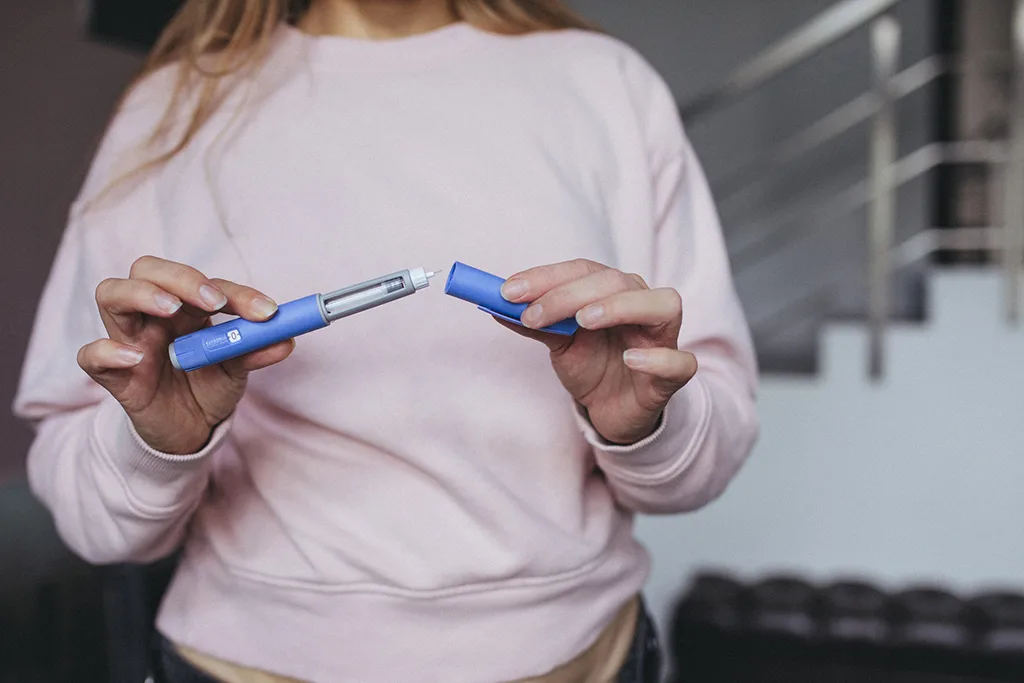
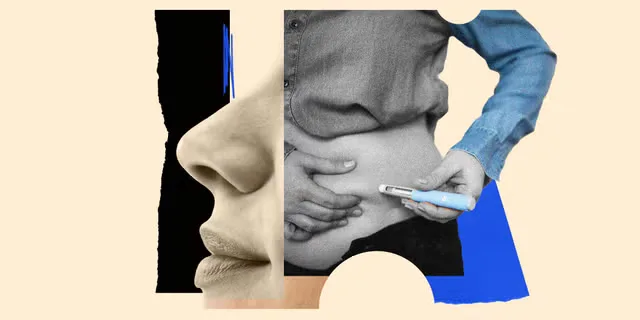
The Method pilots a doctor-led GLP-1 weight loss program, using GLP-1 medications like those in Ozempic and Mounjaro. In partnership with consultants and gyms, it offers doctor consultations, pharmacist support, muscle-health guidance, all within regulations.
Apps like Shotlee help track GLP-1 doses for optimal adherence. This fills the gap for patients needing endocrinologist-supervised care.
Time for a Health Ecosystem Shift
This should be standard. Proven tools, technology, and models exist. Patients and providers must raise expectations.
Nigeria's pharmaceutical sector exceeds $4.5 billion and grows rapidly. With AMR deaths projected to hit 249,000 by 2030, the status quo is unacceptable.
In 2026, being healthy should be no harder than ordering dinner or checking your bank balance. Build that ecosystem now.